
Macrosiphoniella sanborni
(Gillette, 1908)
Chrysanthemum Aphid, Brown Chrysanthemum Aphid
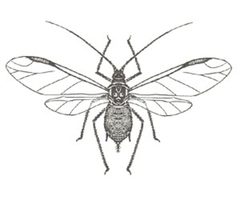
Macrosiphoniella sanborni, the chrysanthemum , is a phloem-feeding aphid in the Aphididae. It is an oligophagous pest specialized on Chrysanthemum and a major economic threat to chrysanthemum . The species exhibits wing dimorphism, with (winged) and (wingless) morphs showing distinct chemosensory profiles. It chrysanthemum viruses including mottle virus and virus B.
Pronunciation
How to pronounce Macrosiphoniella sanborni: /ˌmækroʊˌsɪfəˈnaɪlə ˈsænbɔrni/
These audio files are automatically generated. While they are not always 100% accurate, they are a good starting point.
Images
Habitat
Associated with cultivated and wild chrysanthemum plants. Laboratory rearing studies indicate successful development under controlled greenhouse conditions: 22 ± 2 °C, 65 ± 5% relative humidity, and 16:8 light:dark .
Distribution
Documented from the Azores (Flores, São Miguel, Terceira), former Yugoslavia, and Serbia. The has been studied from collected at the Chrysanthemum Germplasm Resource Preserving Centre, Beijing Forestry University, China.
Diet
Phloem sap feeder; oligophagous, feeding exclusively on Chrysanthemum .
Host Associations
- Chrysanthemum morifolium - primary Main cultivated ; laboratory studies use variety 'Jinglinqiuge'
- Chrysanthemum spp. - -level specialization
Life Cycle
Parthenogenetic maintained in laboratory colonies. Wing dimorphism present: aphids predominate under stable conditions, while aphids develop under high . Alate morphs disperse for location, host recognition, and oviposition site selection.
Behavior
exhibit olfaction-driven including recognition and oviposition site selection mediated by host plant volatile cues. Chemosensory genes including odorant binding proteins, chemosensory proteins, and odorant receptors show elevated expression in alate morphs under host volatile exposure, suggesting specialized sensory capabilities for and .
Ecological Role
Major pest of chrysanthemum industry. chrysanthemum mottle virus and chrysanthemum virus B. Induces plant defense responses including lignin biosynthesis via the CmMYB15-like-Cm4CL2 molecular module. Subject to by fungi including Verticillium lecanii.
Human Relevance
Significant agricultural pest threatening sustainable chrysanthemum production. Target for and green control strategies based on manipulation of olfactory . Research subject for understanding -plant molecular interactions and virus transmission.
Sources and further reading
- BugGuide
- Wikipedia
- GBIF taxonomy match
- iNaturalist taxon
- NCBI Taxonomy
- Identification and Expression Analysis of Chemosensory Genes in the Antennal Transcriptome of Chrysanthemum Aphid Macrosiphoniella sanborni
- Traits associated with virulence to the aphid Macrosiphoniella sanborni in eighteen isolates of Verticillium lecanii
- Molecular module of CmMYB15‐like‐Cm4CL2 regulating lignin biosynthesis of chrysanthemum (Chrysanthemum morifolium) in response to aphid (Macrosiphoniella sanborni) feeding