
Xyonysius
Ashlock & Lattin, 1963
false chinch bugs
Species Guides
3- Xyonysius adjunctor
- Xyonysius basalis
- Xyonysius californicus(California false chinch bug)
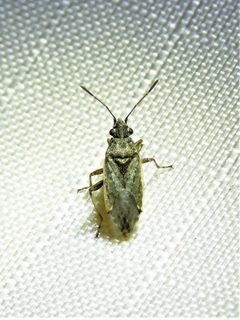
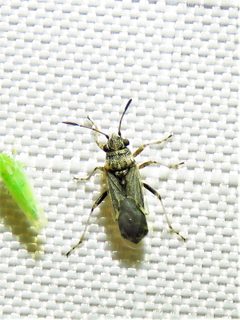
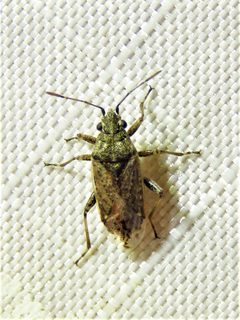
Xyonysius is a of seed bugs in the Lygaeidae, established by Ashlock & Lattin in 1963. The genus contains approximately eight to ten described distributed primarily in the Americas. The most well-known member is Xyonysius californicus, commonly called the California false chinch bug, which is recognized as an agricultural pest. Species in this genus are small, elongate-oval true bugs with characteristic lygaeid .
Pronunciation
How to pronounce Xyonysius: /zaɪˈɒnɪsiəs/
These audio files are automatically generated. While they are not always 100% accurate, they are a good starting point.
Identification
Members of Xyonysius can be distinguished from related lygaeid by their elongate-oval body shape and placement within the tribe Metrargini. The California false chinch bug (Xyonysius californicus) is particularly noted and can be recognized by its association with agricultural settings in western North America. Specific diagnostic features for genus-level identification require examination of male genitalia and detailed morphological analysis.
Images
Habitat
in this occupy diverse terrestrial . Xyonysius californicus is frequently found in agricultural fields, weedy areas, and disturbed habitats where its plants grow. Other species occur in various open, dryland environments across their respective ranges.
Distribution
The is distributed in the Americas, with recorded from North America (including the western United States), Central America, and South America. Xyonysius californicus occurs in California and adjacent regions of the western United States.
Diet
Seed bugs in the Lygaeidae feed primarily on seeds. Xyonysius californicus has been documented feeding on seeds of various plants including mustards (Brassicaceae) and other herbaceous .
Host Associations
- Brassicaceae - food sourceseed feeding by X. californicus
Ecological Role
As seed-feeding insects, members of this contribute to seed in their . Xyonysius californicus can reach high densities in agricultural settings, potentially affecting crop and weed seed viability.
Human Relevance
Xyonysius californicus, the California false chinch bug, is recognized as an occasional agricultural pest. It has been reported causing damage to crops including lettuce, and can become a nuisance when large numbers aggregate on structures. The 'false chinch bug' distinguishes it from the true chinch bug (Blissus leucopterus), a more significant pest of grasses.
Similar Taxa
- BlissusBoth are called 'chinch bugs' and share similar ; Xyonysius is distinguished by lygaeid rather than blissid characteristics and different associations
- NysiusRelated lygaeid with similar seed-feeding habits; Xyonysius is distinguished by tribal placement in Metrargini and specific morphological features
Misconceptions
The 'false chinch bug' for Xyonysius californicus reflects historical confusion with the true chinch bug (Blissus leucopterus). These are unrelated insects in different with different and preferences. The false chinch bug is generally less damaging than its namesake.
More Details
Taxonomic history
The was established by Ashlock & Lattin in 1963 to accommodate previously placed in other genera. The authorship and date are sometimes cited differently in literature, but Ashlock & Lattin, 1963 is the accepted authority.
Species diversity
Sources vary on the number of described , reporting between eight and ten. This discrepancy may reflect recent taxonomic changes or differing interpretations of species validity. The Catalogue of Life and other sources list: X. acticola, X. adjunctor, X. basalis, X. californicus, X. ellipticus, X. humilis, X. naso, and X. volxemi.