
Trepobates
Uhler, 1883
Species Guides
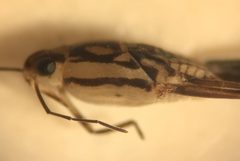
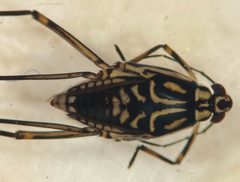
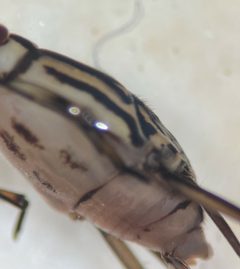
9Trepobates is a of water striders in the Gerridae, containing approximately 10–12 described . These insects are adapted for life on the water surface, using surface tension to walk and hunt. The genus was established by Uhler in 1883 and is classified within the Trepobatinae.
Pronunciation
How to pronounce Trepobates: /trɛˈpoʊbætiːz/
These audio files are automatically generated. While they are not always 100% accurate, they are a good starting point.
Identification
Members of Trepobates can be distinguished from other gerrid by their placement within the Trepobatinae, though specific diagnostic features for the genus require examination of morphological characters such as body proportions and genitalia. Accurate identification to level typically requires taxonomic knowledge.
Images
Habitat
Aquatic environments where water striders occur, including ponds, streams, and other freshwater bodies with calm or slow-moving water surfaces that support surface tension.
Distribution
Records exist from North America (including Vermont, USA) and South America (including Colombia), though full distribution across is not comprehensively documented.
Similar Taxa
- GerrisBoth are of water striders in Gerridae, but Gerris belongs to Gerrinae rather than Trepobatinae, and -level distinctions require detailed morphological examination.
- AquariusAnother gerrid with superficially similar surface-dwelling habits, but classified in different (Gerrinae) with distinct morphological features.
More Details
Taxonomic Note
count varies between sources: Wikipedia cites 12 described species, while iNaturalist reports approximately 10. This discrepancy may reflect recent taxonomic revisions or differing interpretations of species validity.