
Eupeodes volucris
Osten Sacken, 1877
Large-tailed Aphideater, Bird Hover Fly
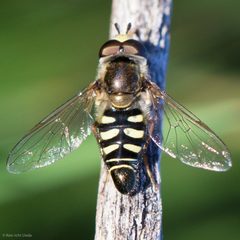
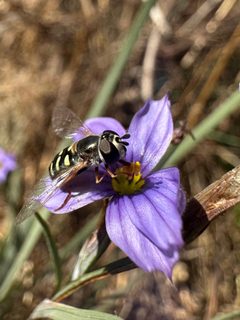
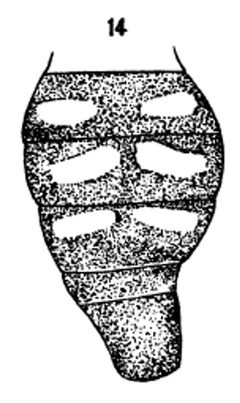
Pronunciation
How to pronounce Eupeodes volucris: //juːˈpiːəˌdiːz vɔˈluːkrɪs//
These audio files are automatically generated. While they are not always 100% accurate, they are a good starting point.
Identification
Distinguished from similar Eupeodes by the relatively large, broad with bold banding pattern. The combination of size and abdominal shape separates it from smaller such as Eupeodes americanus. Separated from Syrphus species by abdominal proportions and wing venation details. Distinguished from and mimics by single pair of wings, short , and sponging mouthparts (not visible without close examination). Hovering is characteristic but shared with other syrphids.
Images
Habitat
Found in gardens, agricultural fields, meadows, and open woodland edges where prey and flowering plants are abundant. Associated with herbaceous vegetation and shrubs that support aphid colonies.
Distribution
Native to North America. Documented across much of the United States and southern Canada. iNaturalist records indicate widespread occurrence with concentration of observations in western and central North America.
Seasonality
Most abundant in spring and fall, coinciding with peak . active during warm periods when flowers are available. Multiple per year likely in favorable climates.
Diet
Larvae are obligate of aphids (Aphidoidea), feeding on plant-sucking insects in colonies on leaves and stems. feed on nectar and pollen from various flowers.
Host Associations
- Aphidoidea - Larval prey; females lay in or near colonies
Life Cycle
Complete with four stages: , larva, pupa, . Female lays eggs in or near colonies. Larva passes through three instars, feeding on aphids. occurs on leaves, stems, or other substrates as a convex, pear-shaped . Adult follows. Multiple per year.
Behavior
exhibit characteristic hovering , often remaining stationary in mid-air while inspecting vegetation. Visits flowers for nectar and pollen, serving as a . Females actively search for colonies to deposit . Larvae are cryptic, often resembling discolored leaf patches or plant debris.
Ecological Role
Larval stage functions as agent, suppressing in gardens and agricultural systems. stage contributes to pollination of flowering plants. Part of a complex of aphid including lady beetles and lacewings.
Human Relevance
Similar Taxa
- Eupeodes americanusSmaller size, narrower , less bold abdominal patterning
- Syrphus spp.Similar abdominal banding but different abdominal proportions and wing venation
- Allograpta spp.Smaller size, more slender build, different abdominal pattern
- Toxomerus spp.Much smaller, more delicate build with distinct facial markings
Misconceptions
are frequently mistaken for bees or due to yellow and black coloration. This mimicry is protective but leads to unnecessary fear and occasional killing of beneficial larvae by gardeners unfamiliar with syrphid fly .
More Details
Taxonomic Note
Authored by Osten Sacken in 1877. Listed as synonym in some sources but accepted in GBIF and other major databases.
Conservation Status
Not evaluated; common and widespread with no known threats.