Platycheirus scutatus
(Meigen, 1822)
hoverfly
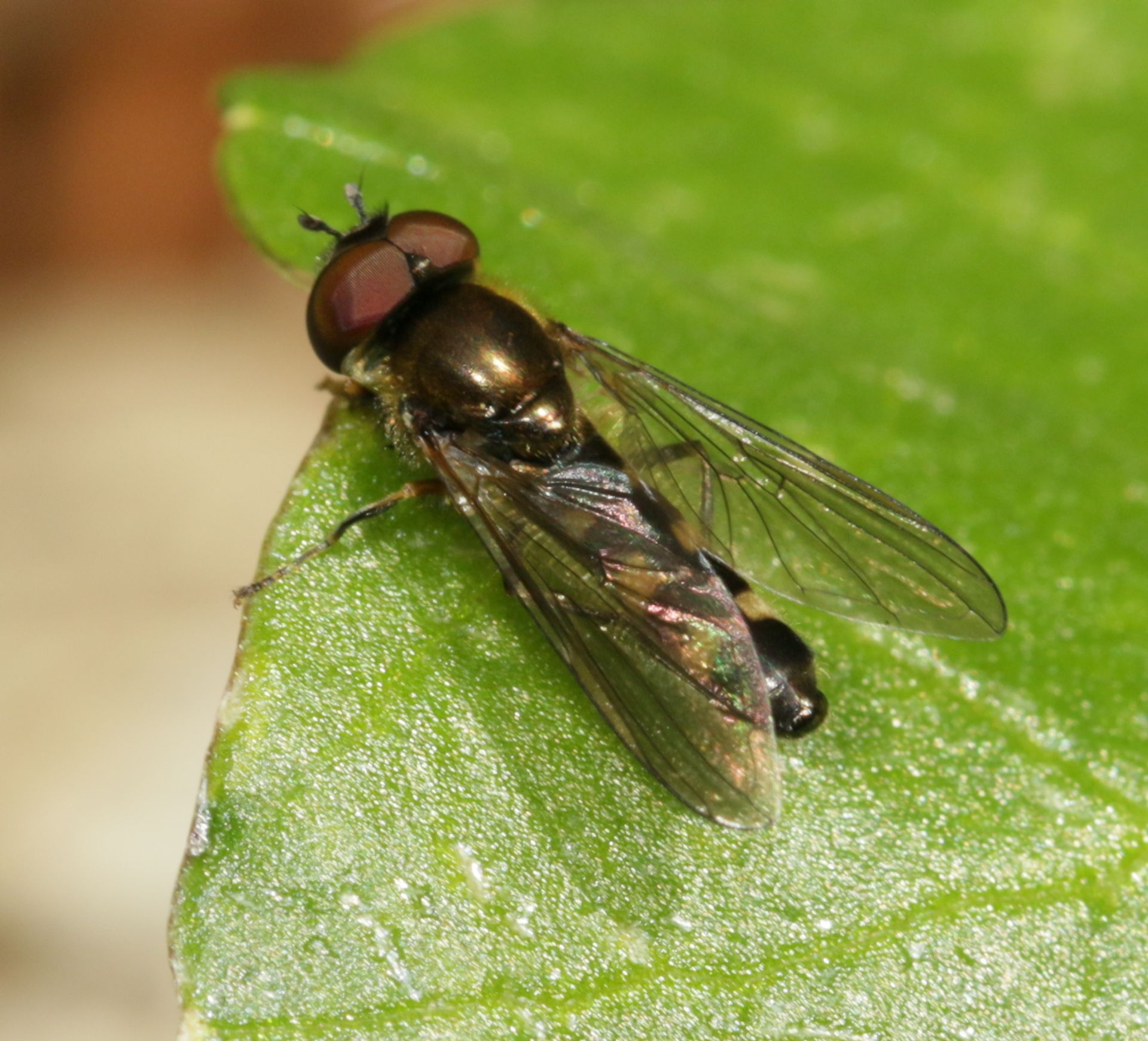
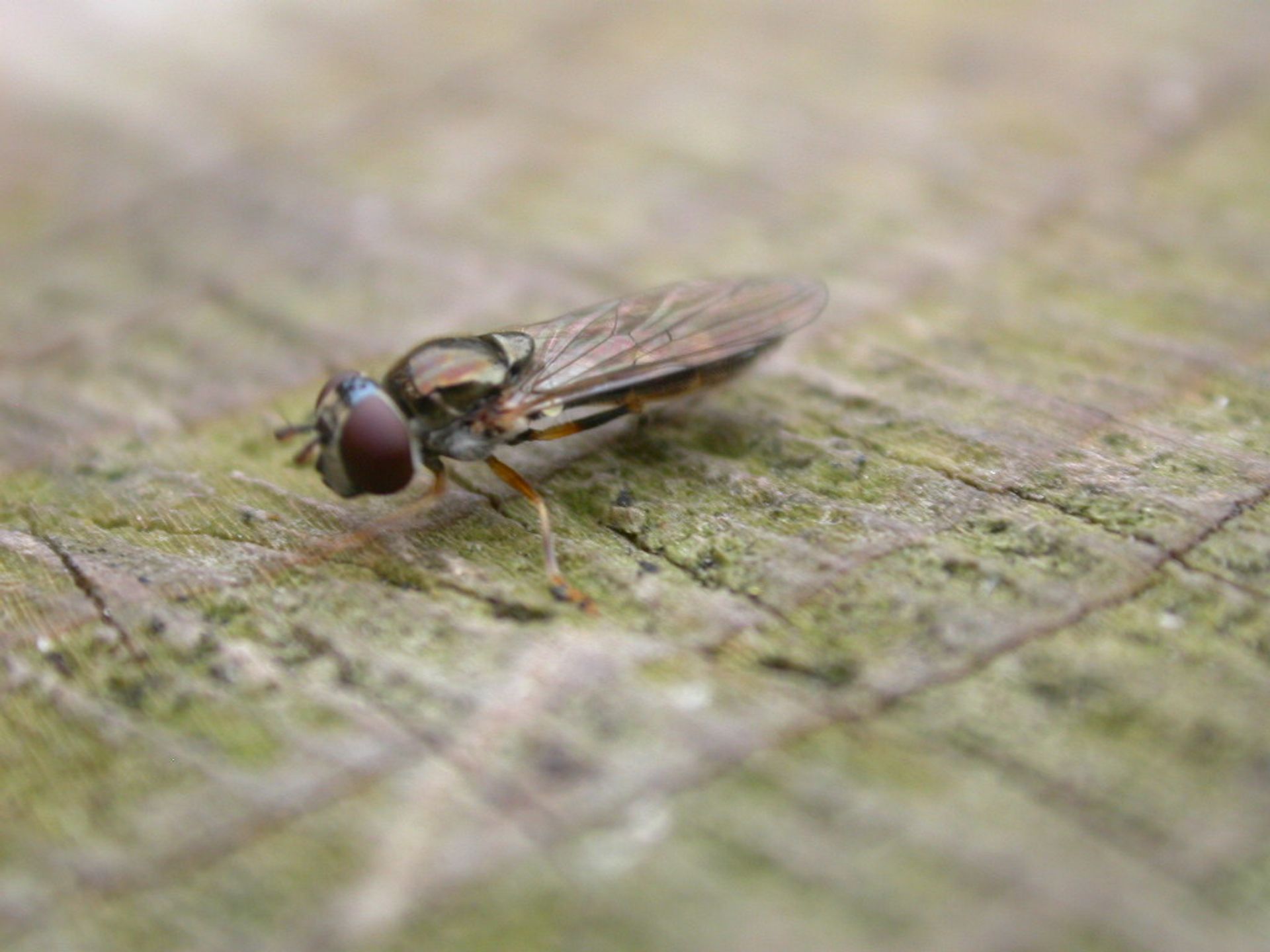
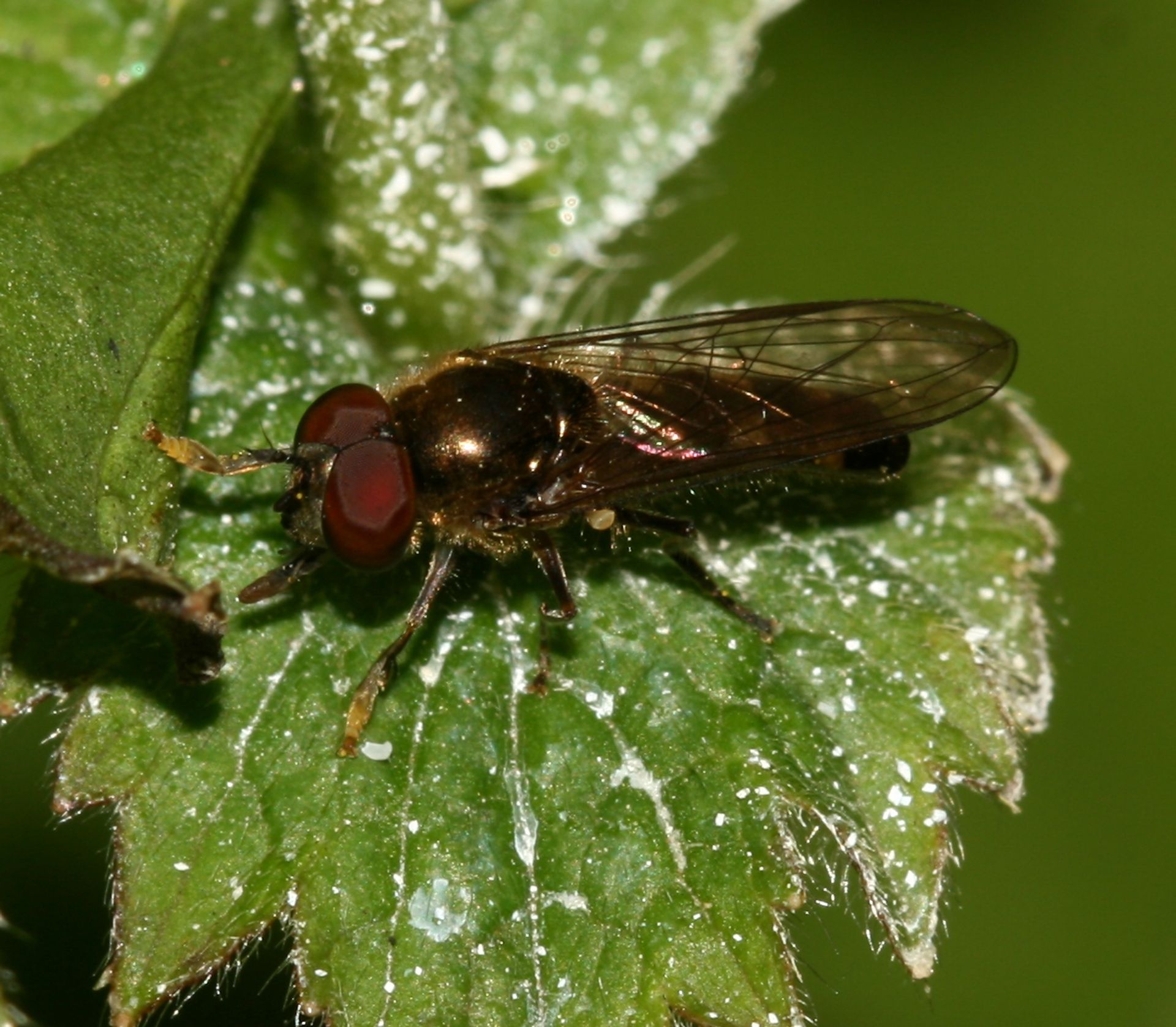
Platycheirus scutatus is a very common Holarctic hoverfly with a wide distribution across the Northern Hemisphere. are notable that feed on diverse flowers, while larvae are . The has an exceptionally long period and may remain active during cold weather. Multiple occur throughout warmer months.
Pronunciation
How to pronounce Platycheirus scutatus: //plæˈtɪkɪrəs skjuːˈtætəs//
These audio files are automatically generated. While they are not always 100% accurate, they are a good starting point.
Identification
with two large silver-grey dust spots distinguishes this from similar Platycheirus. Tibia 2 in-bent at one-third from apex with short lateral hairs (not long hairs). Tergite 4 elongate. See references for definitive determination.
Images
Appearance
with two large, silver-grey dust spots. Tibia 2 in-bent at one-third from apex with only short lateral hairs. Tergite 4 elongate.
Habitat
Low-growing plants and trees where aphids occur.
Distribution
Holarctic: Palearctic region from Fennoscandia south to Iberia and Mediterranean basin, eastward through Northern, Central, and Southern Europe into Turkey, European Russia, Siberia to Pacific coast and Japan. Nearctic: Alaska south to Colorado.
Seasonality
Very long period with multiple throughout warmer months; may remain active during cold weather.
Diet
Larvae feed on aphids on low-growing plants and trees. feed on wide range of flowers.
Life Cycle
Multiple throughout warmer months.
Ecological Role
of aphids (larval stage); .
Human Relevance
agent for ; .
Similar Taxa
- Platycheirus trichopusBoth in Platycheirus; P. scutatus distinguished by facial dust spots and tibial structure