
Bacchini
Bigot, 1883
Genus Guides
4- Baccha
- Melanostoma
- Platycheirus(Sedgesitters)
- Pyrophaena
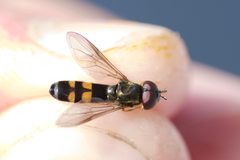
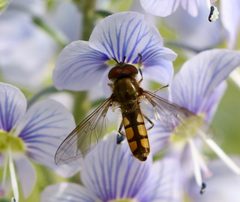
Bacchini is a tribe of hoverflies ( Syrphidae) comprising over 430 distributed worldwide. Members are generally small, elongate flies with distinctive black and scutella. The tribe includes seven recognized , among which Platycheirus is the most species-rich and frequently encountered.
Pronunciation
How to pronounce Bacchini: /bɑˈkɪni/
These audio files are automatically generated. While they are not always 100% accurate, they are a good starting point.
Identification
Distinguished from other Syrphinae tribes by the combination of small elongate body form and black scutellum. Platycheirus often show distinctive flattened or modified male forelegs. Separation from related tribes requires examination of wing microtrichia distribution and male genitalia in many cases.
Images
Appearance
Small to medium-sized elongate flies. and scutellum are characteristically black. Body form is generally slender rather than robust. Wing venation follows the syrphid pattern with a spurious present.
Habitat
Occurs in diverse environments including meadows, wetlands, forests, and anthropogenic . Individual show varying habitat preferences; some Platycheirus species favor damp grasslands and riparian zones.
Distribution
Worldwide distribution across all biogeographic regions. Individual show differing ranges: Platycheirus is Holarctic with some extension into the Neotropics and Oriental regions; Baccha has Palearctic and Oriental distribution; Rohdendorfia is restricted to the Palearctic.
Seasonality
activity varies by and latitude. In temperate regions, most species are active from spring through autumn, with peak abundance in summer months. Some Platycheirus species are among the earliest syrphids to emerge in spring.
Diet
Life Cycle
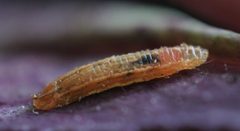
Complete with , larval, pupal, and stages. Larvae are active in colonies. occurs in the soil or within the last larval skin attached to vegetation.
Behavior
engage in flower visitation for feeding. Males of some Platycheirus perform hovering displays. Larvae are ambush within .
Ecological Role
Larvae function as agents of . contribute to pollination through flower visitation.
Human Relevance
Some , particularly in Platycheirus, are studied for their potential in of agricultural pests. are common subjects in citizen science monitoring programs due to their abundance and relative ease of identification.
Similar Taxa
- SyrphiniOverlapping distribution and similar flower-visiting ; distinguished by generally more robust body form and different wing microtrichia patterns.
- ParaginiSimilar size range and predatory larval habits; separated by differences in structure and male genitalia .
More Details
Genera
Contains seven : Baccha (18+ ), Eocheilosia (1 species), Platycheirus (70+ species), Pyrophaena (2 species), Rohdendorfia (2 species), Spazigaster (2 species), and Syrphocheilosia (4 species). Platycheirus represents the majority of species and observations within the tribe.
Taxonomic history
The tribe has undergone revision, with some formerly placed in Bacchini now assigned to other tribes. The genus Platycheirus was historically difficult to classify due to its morphological diversity.