
Xylotina
Hippa, 1978
Genus Guides
5- Brachypalpus(Catkin Flies)
- Chalcosyrphus(Leafwalkers)
- Hadromyia(Quicksilvers)
- Pocota
- Xylota(Leafwalkers and Forest Flies)
Xylotina is a subtribe of hoverflies ( Syrphidae, tribe Milesiini) established by Hippa in 1978. It comprises five : Brachypalpus, Chalcosyrphus, Hadromyia, Pocota, and Xylota. These are non-aphidophagous syrphids whose larvae develop in decaying wood or other plant materials.
Pronunciation
How to pronounce Xylotina: //zaɪˈlɒtɪnə//
These audio files are automatically generated. While they are not always 100% accurate, they are a good starting point.
Identification
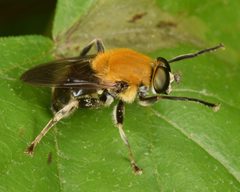
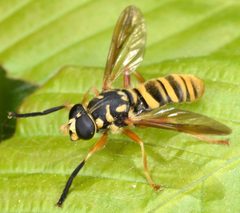
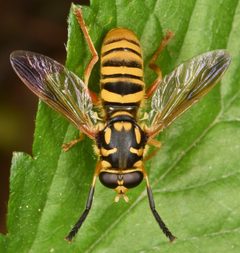
Members of Xylotina can be distinguished from other Milesiini subtribes by combinations of characters including wing venation, facial structure, and larval . The included vary in appearance: Xylota often have broad, flattened with distinctive color patterns; Chalcosyrphus species frequently show metallic coloration; Brachypalpus, Hadromyia, and Pocota each have diagnostic morphological features separating them from related . Definitive subtribe-level identification requires examination of genitalia and larval characters.
Images
Habitat
are found in woodland , forest edges, and areas with abundant dead wood. Larval habitats center on decaying hardwoods, softwoods, and occasionally other decomposing plant substrates including rotting cacti or herbaceous stems in some Chalcosyrphus .
Distribution
distribution with representatives on all continents except Antarctica. Individual show varying ranges: Xylota is primarily Holarctic; Chalcosyrphus occurs worldwide; Brachypalpus is mainly Palearctic; Hadromyia is Nearctic; Pocota is restricted to the western Nearctic.
Seasonality
activity peaks during spring and summer in temperate regions, with some extending into autumn. Specific timing varies by and geographic location.
Life Cycle
Larvae develop in decaying wood, where they feed on microorganisms associated with decomposition. Developmental stages include , three larval instars, pupa, and . The wood-boring habit distinguishes them from aphidophagous syrphid larvae.
Behavior
visit flowers for nectar and pollen, particularly umbellifers and composites. Males often establish territories and engage in hovering near sunlit patches in woodland. Larvae are saproxylic, contributing to wood decomposition processes.
Ecological Role
Larvae function as decomposers in forest , facilitating nutrient cycling through wood decay. serve as of flowering plants. The group represents an important component of saproxylic insect diversity in temperate and tropical forests.
Human Relevance
No direct economic importance. are occasional in agricultural and natural settings. Some are used as indicators of old-growth forest conditions due to their dependence on decaying wood .
Similar Taxa
- BacchiniAnother subtribe of Milesiini with non-aphidophagous larvae, but Bacchini larvae typically develop in plant stems or roots rather than decaying wood, and often show different wing venation patterns.
- TropidiinaRelated Milesiini subtribe with saprophagous larvae, distinguished by larval preferences and morphological characters including differences in facial development.
More Details
Taxonomic History
Hippa (1978) established Xylotina as a subtribe to accommodate previously placed variously within Syrphidae. The classification has been supported by subsequent phylogenetic analyses of Milesiini, though the rank and composition have been debated. Some treatments have treated Xylotina as a synonym of Chalcosyrphus at the genus level, but current consensus maintains subtribe status within Milesiini.
Larval Ecology
The saproxylic larval habit is a defining feature of Xylotina. Chalcosyrphus includes some of the most ecologically diverse , with larvae recorded from rotting cacti in desert regions and from bamboo in tropical forests, expanding beyond the typical wood-decay of other .