
Sphecomyia metallica
(Bigot, 1882)
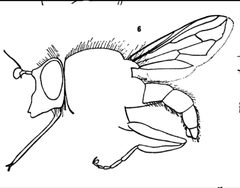
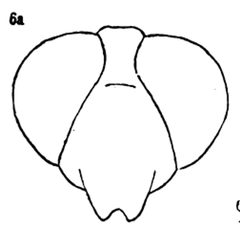
Sphecomyia metallica is a of hoverfly in the Syrphidae. It is a mimic, part of a diverse group of syrphid flies that have evolved to resemble stinging hymenopterans for protection from . The species is known from Canada and the United States. As with many hoverflies, likely visit flowers for nectar and pollen.

Pronunciation
How to pronounce Sphecomyia metallica: //ˌsfɛkoʊˈmaɪə məˈtælɪkə//
These audio files are automatically generated. While they are not always 100% accurate, they are a good starting point.
Images
Distribution
Canada and the United States.
Ecological Role
As a member of the Syrphidae , likely contribute to pollination through flower visitation. The mimicry serves as a defensive against .
Similar Taxa
- Sphecomyia vittataCongeneric , also a yellowjacket mimic with similar size and -like appearance
- Temnostoma spp.Other syrphid mimics that wave their front legs to simulate wasp
- Vespula maculifronsThe Eastern Yellowjacket, likely the model for this mimic; distinguished by two pairs of wings, elbowed , and ability to sting
More Details
Mimicry
Sphecomyia metallica exhibits , resembling to avoid . The specific epithet 'metallica' refers to the metallic coloration typical of many wasp-mimicking hoverflies.
Taxonomic note
The Sphecomyia belongs to the tribe Milesiini within Eristalinae, a group characterized by diverse larval habits including saprophagy and .