
Sericomyia harveyi
(Osburn, 1908)
Harvey's Pond Fly
Sericomyia harveyi is a hoverfly in the Syrphidae, Eristalinae. The Sericomyia is part of the tribe Milesiini and is characterized by larvae that inhabit bog mat pools and other wetland . are that visit flowers for nectar and pollen. The species was described by Osburn in 1908.
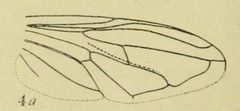
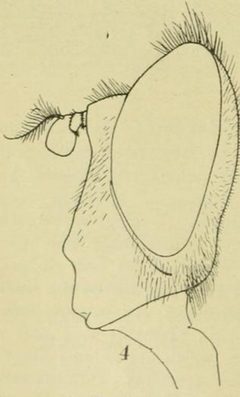
Pronunciation
How to pronounce Sericomyia harveyi: /ˌsɛrɪkoʊˈmaɪə ˈhɑrvi.aɪ/
These audio files are automatically generated. While they are not always 100% accurate, they are a good starting point.
Identification
Members of the Sericomyia can be distinguished from other hoverfly genera by their overall and larval preferences. Within the genus, -level identification requires examination of specific morphological characters. typically have a robust body form characteristic of the tribe Milesiini. Larvae possess the distinctive rat-tailed maggot form with an extensible siphon for breathing, though the siphon length in Sericomyia is shorter than in the related genus Eristalis.
Images
Habitat
Larvae inhabit bog mat pools and other wetland environments with saturated organic substrates. The specific epithet 'harveyi' and 'Harvey's Pond Fly' suggest association with pond . are found in areas near larval development sites where flowering vegetation is present.
Diet
Larvae filter bacteria and other microbes from organic matter in water. feed on nectar and pollen from flowers.
Life Cycle
are laid in or near water. Larvae are aquatic, living in bog mat pools with an extensible siphon that connects to the water surface for respiration. Mature larvae seek dry land to pupate; the pupal capsule is hard and mouse-shaped. emerge from pupae and are capable of .
Behavior
Larvae remain connected to the water surface at all times via their breathing siphon while filtering organic material. are flower visitors and .
Ecological Role
Larvae contribute to nutrient cycling in wetland through their filter-feeding activity on organic matter. serve as of wildflowers and other flowering plants.
Human Relevance
are that may contribute to pollination of wildflowers and potentially crop plants. The presence of larvae in water gardens and ponds can indicate healthy wetland conditions, though they may be affected by mosquito control measures such as .
Similar Taxa
- Eristalis spp.Also have rat-tailed maggot larvae, but Eristalis larvae possess much longer siphons and typically inhabit putrid, organic-rich standing water in more urban and suburban settings rather than bog mat pools.
- Chrysogaster spp.Have rat-tailed maggot larvae with short siphons, but are found along pond edges and among emergent vegetation rather than bog mat pools.
- Mallota spp.Have rat-tailed maggot larvae that inhabit water collected in tree holes, a distinct microhabitat from the bog pools used by Sericomyia.
More Details
Taxonomic placement
Sericomyia harveyi is placed in the subtribe Sericomyiina within the tribe Milesiini. The Sericomyia is one of several genera in the Syrphidae with rat-tailed maggot larvae, a convergent to low-oxygen aquatic environments.
Larval morphology
Like other members of the tribe Milesiini, Sericomyia larvae possess leg-like knobs along the body and the distinctive extensible breathing siphon. The siphon length is intermediate between the very long siphons of Eristalis and the short siphons of Chrysogaster.
Sources and further reading
- BugGuide
- GBIF taxonomy match
- iNaturalist taxon
- Catalogue of Life
- Strathmore B-Lines: Surveying Grasslands and Pollinating Insects in the Strathmore Valley - Buglife Blog - Buglife
- Bug Eric: Fly Day Friday: Rat-tailed Maggots
- endemism | Blog - Part 2
- endemic species | Blog - Part 3
- Chironomidae | Beetles In The Bush
- South Africa | Blog - Part 2