
Chrysogaster
Meigen, 1803
Low-horned Wrinkleheads
Species Guides
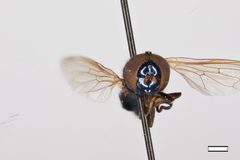
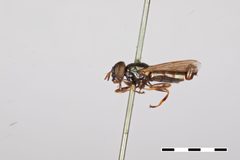
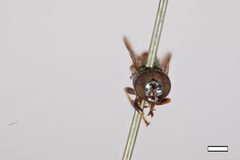
1- Chrysogaster antitheus(Short-haired Wrinkle Fly)
Chrysogaster is a of small hoverflies in the Eristalinae. are dark or black with shiny colorful reflections and visit flowers in damp marshy areas. The aquatic larvae possess a short breathing siphon, shorter than that of related genera such as Eristalis. Several related genera—Melanogaster, Orthonevra, Lejogaster, and Riponnensia—were formerly classified within Chrysogaster.
Pronunciation
How to pronounce Chrysogaster: /ˈkrɪsoʊˌɡæstər/
These audio files are automatically generated. While they are not always 100% accurate, they are a good starting point.
Identification
Small hoverflies with dark or black bodies and shiny, colorful metallic reflections. Distinguished from similar by larval : larvae possess a notably short breathing siphon compared to the elongated siphons of Eristalis and related genera. frequent flowers in marshy . Former members of this genus (now Melanogaster, Orthonevra, Lejogaster, Riponnensia) may appear similar; accurate identification requires examination of genitalic characters and larval siphon structure.
Images
Habitat
Damp marshy areas with emergent vegetation; pond edges. Larvae are aquatic, living in water among emergent vegetation.
Distribution
Records from Denmark, Norway, and Sweden; broader distribution likely across the Palearctic given described from Europe, Africa, and Asia.
Life Cycle
Aquatic larval stage. Larvae possess a short breathing siphon (shorter than related ) that connects to the water surface for respiration. Mature larvae leave water to pupate on dry land; pupal capsule is hard and mouse-shaped.
Behavior
visit flowers. Larvae filter bacteria and microbes from organic matter in water.
Ecological Role
function as . Larvae contribute to decomposition and nutrient cycling in aquatic systems.
Human Relevance
are of wildflowers. Larvae may occur in water container gardens, where they can be mistaken for pests; they do not bite or sting.
Similar Taxa
- EristalisLarvae possess very long breathing siphons; Chrysogaster larvae have short siphons. Both are aquatic hoverfly larvae but occupy different positions along the siphon-length spectrum.
- MelanogasterFormerly classified within Chrysogaster; now recognized as distinct . Separation based on morphological and phylogenetic evidence.
- OrthonevraFormerly classified within Chrysogaster; now recognized as distinct .
- LejogasterFormerly classified within Chrysogaster; now recognized as distinct .
- RiponnensiaFormerly classified within Chrysogaster; now recognized as distinct .
Sources and further reading
- BugGuide
- Wikipedia
- GBIF taxonomy match
- iNaturalist taxon
- NCBI Taxonomy
- Catalogue of Life
- Bug Eric: Fly Day Friday: Rat-tailed Maggots
- Ecology and Conservation of the Turks Island Boa (Epicrates chrysogaster chrysogaster: Squamata: Boidae) on Big Ambergris Cay
- Habitat Preferences and Conservation Status of Himalayan Musk Deer (Moschus Chrysogaster) in Langtang National Park, Nepal
- Epicrates chrysogaster (Southern Bahamas Boa). Distribution
- Riverscape genetics in the endangered Mexican golden trout (Oncorhynchus chrysogaster) in Sierra Madre Occidental, Mexico
- Habitat suitability assessment of Moschus chrysogaster in Helan Mountain