
Elgiva
Meigen, 1838
snail-killing flies, marsh flies
Species Guides
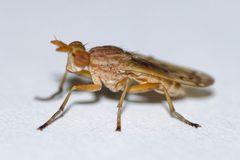
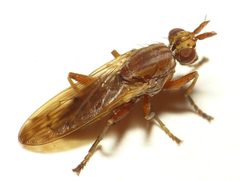
1Elgiva is a of snail-killing flies in the Sciomyzidae, comprising approximately eight described . These predatory flies are specialized in hunting aquatic or semi-aquatic snails, with larvae developing as or of molluscan . The genus has been studied for its potential against pest snail .
Pronunciation
How to pronounce Elgiva: /ˈɛl.dʒɪ.və/
These audio files are automatically generated. While they are not always 100% accurate, they are a good starting point.
Identification
of Elgiva can be distinguished from other Sciomyzidae by features of the wing venation and male genitalia; specific diagnostic characters require examination of and detailed morphological analysis. -level identification within the genus relies on subtle differences in genitalic structures and coloration patterns.
Images
Habitat
Aquatic and semi-aquatic environments including marshes, wetlands, and freshwater margins where gastropod occur.
Distribution
North America, Europe (Denmark, Norway, Sweden confirmed).
Diet
Larvae are predatory or parasitoidal on aquatic and semi-aquatic snails (Gastropoda). feeding habits are not well documented in the provided sources.
Life Cycle
Larvae develop through three instars while feeding on snail ; occurs in the snail shell or nearby substrate. Detailed staging and duration require access to full primary literature.
Behavior
Larvae actively hunt or parasitize snails; specific hunting and mating rituals are documented in specialized literature not fully accessible from provided abstracts.
Ecological Role
/ of freshwater and marsh-dwelling gastropods; contributes to regulation of snail in wetland .
Human Relevance
Investigated for potential of pest snail that serve as intermediate for human or damage agricultural crops.
Similar Taxa
- Other Sciomyzidae generaElgiva shares the snail-killing habit with related such as Dictya and Tetanocera, but differs in wing venation patterns and male genitalic .
- TetanoceraBoth belong to tribe Tetanocerini and occupy similar ; separation requires examination of capsule structure and larval .
More Details
Taxonomic history
The was established by Meigen in 1838. North American were revised in 1987, clarifying previously confused species boundaries.
Research gaps
Most detailed biological information (larval , complete , specificity) is contained in full articles not accessible from the provided abstract excerpts; the 1964 and 1987 Annals papers remain primary sources for -level .