
Dictya
Meigen, 1803
marsh flies
Species Guides
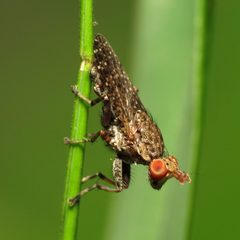
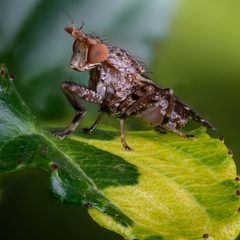
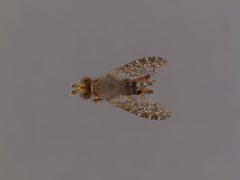
6Dictya is a of marsh flies ( Sciomyzidae) comprising at least 20 described . Species in this genus are malacophagous, with larvae feeding on snails. Larvae exhibit specialized trail-following using chemical cues from snail mucus to locate prey. Some species have been studied for their potential as agents against nuisance snail .
Pronunciation
How to pronounce Dictya: //ˈdɪk.ti.ə//
These audio files are automatically generated. While they are not always 100% accurate, they are a good starting point.
Images
Habitat
Aquatic environments; larvae are capable of foraging outside of water for prey.
Distribution
occur across North America, with records from Canada through the United States to Mexico and Central America (Guatemala, Jamaica); at least one species (D. umbrarum) has a Palearctic distribution.
Diet
Malacophagous (snail-feeding); larvae follow snail mucus trails to locate and consume prey.
Host Associations
- snails - preylarvae feed on snails, using mucus trails as chemical cues for prey location
Behavior
larvae exhibit trail-following in response to snail mucus trails. Upon encountering fresh mucus, larvae switch from unstimulated to stimulated searching, characterized by increased velocity and elevated frequency of lateral taps. Trail-following response is strongest on fresh trails and diminishes as mucus ages, becoming inactive after approximately 45 minutes.
Ecological Role
of snails; potential agent for nuisance snail .
Human Relevance
Investigated for biocontrol applications against pest snails.
More Details
Taxonomic diversity
The contains approximately 45 described , with numerous species described by Steyskal (1938–1960), Orth (1991), and others. is concentrated in North America.
Research focus
Most detailed ecological and behavioral research has focused on Dictya montana; information for other is sparse. Dictya disjuncta was rediscovered and described with all life stages documented, though specific ecological details remain limited.
Sources and further reading
- BugGuide
- Wikipedia
- iNaturalist taxon
- NCBI Taxonomy
- Catalogue of Life
- Bug Eric: Last Night to Blacklight?
- Rediscovery of Dictya disjuncta Orth (Diptera: Sciomyzidae) with Descriptions of All Life Stages and Life Cycle
- Trail-Following Behaviour in the Malacophagous Larvae of the Aquatic Sciomyzid Flies Sepedon spinipes spinipes and Dictya montana
- Life history and biocontrol potential of Dictya montana Steyskal, 1954 (Diptera: Sciomyzidae), a snail-killing fly