
Neorhynchocephalus sackenii
(Williston, 1880)
tangle-veined fly
Neorhynchocephalus sackenii is a of tangle-veined fly in the Nemestrinidae. It is known primarily as a of grasshoppers, with documented associations to at least two rangeland species in western North America. The species constructs specialized respiratory pores in its and has been observed to cause significant mortality in grasshopper , with rates varying from 0 to 40 percent in field studies.
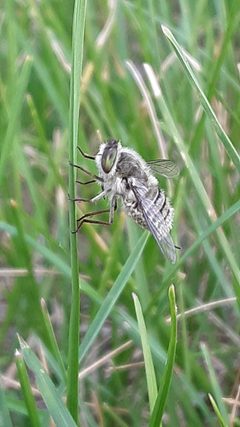
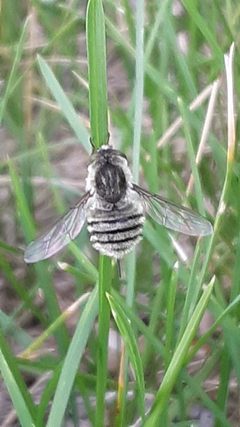
Pronunciation
How to pronounce Neorhynchocephalus sackenii: /ˌniːoʊˌrɪŋkoʊˈsɛfələs ˌsækəˈniːaɪ/
These audio files are automatically generated. While they are not always 100% accurate, they are a good starting point.
Images
Distribution
Western North America, based on distributions in sagebrush-grass and semiarid rangeland associations of the western United States.
Host Associations
- Oedaleonotus enigma - Principal dipterous ; rates 0-24% over four years of study
- Boopedon nubilum - Six out of ten years depressed by heavy ; rates up to 40% in some years
Life Cycle
Larval development occurs internally within . The creates specialized respiratory structures in the host, including respiratory pores and tubes. Parasitized females are prevented from developing , and the parasite eventually kills the host.
Behavior
Constructs respiratory pores in tissue. Forms specialized respiratory tube structures to facilitate larval respiration within the host body.
Ecological Role
agent of rangeland . Can significantly reduce grasshopper densities, with rates sufficient to depress populations in multiple consecutive years.
Human Relevance
Contributes to natural suppression of that damage rangeland forage and crops. No direct economic value or harm to humans documented.
More Details
Parasitism Impact
A ten-year study (1956-1965) in San Rafael Valley, Arizona documented significant fluctuations in Boopedon nubilum associated with N. sackenii . Heavy burdens were implicated in depressing populations in six of ten years.
Respiratory Adaptations
The has evolved specialized respiratory structures for larval life within the , including the construction of respiratory pores and characteristic respiratory tube .