
Neorhynchocephalus
Lichtwardt, 1909
tangle-veined flies
Species Guides
2- Neorhynchocephalus sackenii(tangle-veined fly)
- Neorhynchocephalus volaticus
Neorhynchocephalus is a of tangle-veined flies ( Nemestrinidae) first described by Lichtwardt in 1909. The genus comprises seven extant and three fossil species. Members of this genus are whose larvae develop inside . Neorhynchocephalus sackenii has been documented as a significant of rangeland grasshoppers in western North America, with rates reaching up to 24 percent in field studies.
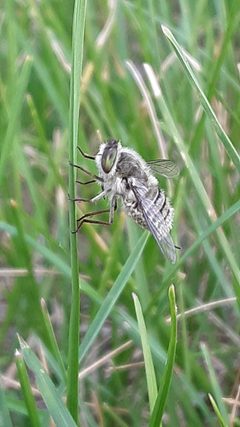
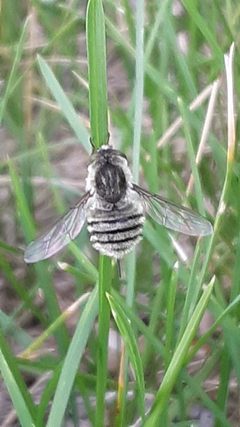
Pronunciation
How to pronounce Neorhynchocephalus: /ˌniːoʊˌrɪŋkoʊˈsɛfələs/
These audio files are automatically generated. While they are not always 100% accurate, they are a good starting point.
Images
Distribution
Extant occur in the western Nearctic region, including the southwestern United States and Mexico. Species include Neorhynchocephalus mendozanus, N. mexicanus, N. sackenii, N. sulphureus, N. tauscheri, N. vitripennis, and N. volaticus. Three fossil species (N. melanderi, N. occultator, N. vulcanicus) are known from Florissant, Colorado deposits.
Host Associations
- Oedaleonotus enigma - Neorhynchocephalus sackenii is the principal dipterous ; rates 0-24 percent
- Boopedon nubilum - N. sackenii causes significant mortality; heavy burdens depress in 6 of 10 study years
Life Cycle
Larvae are internal that develop within . Larvae construct respiratory pores in the host to facilitate during development. The feeds on internal host organs, preventing development in female hosts and eventually killing the host.
Behavior
Larvae exhibit specialized respiratory pore construction to maintain contact with external air while developing inside the body.
Ecological Role
Acts as a agent of rangeland . Can significantly reduce grasshopper densities, with contributing to population crashes in years.
Human Relevance
Has potential value in of destructive on western rangelands. No quantitative studies of its impact on grasshopper have been completed.
Similar Taxa
- HirmoneuraAlso in Nemestrinidae; both contain attacking grasshoppers, but Hirmoneura species are distinguished by different wing venation patterns
- Nemestrinidae (other genera)Other tangle-veined flies share the -level trait of elaborate wing venation with numerous crossveins creating a net-like pattern; -level identification requires examination of specific wing characters and male genitalia
More Details
Fossil Record
Three fossil from the Eocene-Oligocene boundary (Florissant Formation, Colorado, ~34 million years ago) indicate long evolutionary history of the in western North America
Research Gaps
No comprehensive studies of , location mechanisms, or feeding habits have been published. Host range for most remains undocumented.