
Diadocidia
Ruthe, 1831
fungus gnats
Species Guides
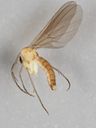
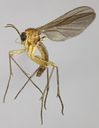
1Diadocidia is a of fungus gnats comprising approximately 30 described . It is the sole genus in the Diadocidiidae, a small family within the order Diptera. Species have been documented across multiple continents including Europe, Asia, Australia, and North America. The genus was established by Ruthe in 1831.
Pronunciation
How to pronounce Diadocidia: //ˌdaɪədoʊˈsɪdiə//
These audio files are automatically generated. While they are not always 100% accurate, they are a good starting point.
Identification
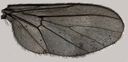
Members of Diadocidia can be distinguished from other fungus gnat by characters of the family Diadocidiidae, including specific wing venation patterns and genitalic structures. The family is characterized by particular arrangements of wing and male terminalia that separate it from related families in the superfamily Sciaroidea.
Images
Distribution
Documented from Denmark, Norway, and Sweden (GBIF records). occur across the Holarctic region, with additional records from Japan, China, Papua New Guinea, Australia (Queensland), Brunei, and Sulawesi. North American records include species described from California and other locations.
Similar Taxa
- Other Sciaroidea familiesDiadocidiidae is distinguished from related fungus gnat (Mycetophilidae, Sciaridae, Cecidomyiidae, etc.) by unique combinations of wing venation, genitalic , and other structural characters. The family-level separation is well-established in dipteran .
More Details
Taxonomic notes
Diadocidiidae was previously treated as a within Mycetophilidae but is now recognized as a distinct . The Diadocidia remains at the genus level within this family.
Species diversity
The contains approximately 30 described , with significant contributions to from researchers including Ševčik, Jaschhof, Papp, and others in the early 2000s.