
Diadocidiidae
Genus Guides
1- Diadocidia(fungus gnats)
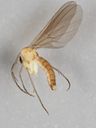
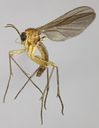
A small of fungus gnats (Diptera) containing two : the extant Diadocidia with over 20 and the extinct †Docidiadia from Burmese amber. are minute woodland flies measuring 2.5–5.6 mm. The family was historically treated as a of Mycetophilidae but is now recognized as distinct and closely related to Keroplatidae, Bolitophilidae, and Ditomyiidae.
Pronunciation
How to pronounce Diadocidiidae: /daɪəˌdɒsɪˈdaɪɪdiː/
These audio files are automatically generated. While they are not always 100% accurate, they are a good starting point.
Identification
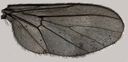
Minute size (2.5–5.6 mm) distinguishes from many other fungus gnats. Close morphological similarity to Keroplatidae, Bolitophilidae, and Ditomyiidae requires examination of genitalic characters for definitive identification. The can be separated from Mycetophilidae sensu stricto by characters supporting its elevation from status.
Images
Habitat
Woodland environments, particularly shaded forests and areas near streams. Larvae inhabit subcortical spaces and dead wood.
Distribution
Worldwide except Africa and Antarctica. Documented from: Europe (Denmark, Norway, Sweden, Finland), Turkey, Israel, Caucasus, West Mongolia, Siberia (Yakutia), British Columbia, California, Rica, Australia, New Zealand, Patagonia and South Chile, and Oriental Region. Fossil record includes Burmese amber (Cenomanian).
Diet
Larvae feed on hymenium of Polyporaceae fungi. feeding habits unknown.
Life Cycle
Larvae construct silken tubes under bark or within dead logs. emerge from these pupal cases. Specific developmental timing unknown.
Behavior
Larvae spin silken tubes for shelter and . are found in shaded microhabitats within forests.
Ecological Role
Larvae are fungal grazers on Polyporaceae, contributing to wood decomposition and nutrient cycling in forest .
Similar Taxa
- KeroplatidaeClose phylogenetic relationship and similar ; distinguished by genitalic and larval characters
- BolitophilidaeFormerly grouped together in broader classifications; similar in size and preference
- DitomyiidaeSister within Sciaroidea with convergent woodland
- MycetophilidaeHistorically included as ; separation based on phylogenetic and morphological studies