
Polyphylla uteana
Tanner, 1928
Coral Pink Sand Dunes June Beetle
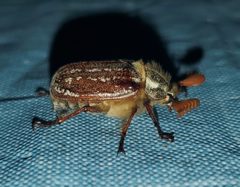
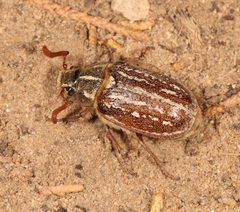
Polyphylla uteana is a large scarab beetle to the Coral Pink Sand Dunes in southwestern Utah. Males possess exceptionally developed with seven highly elongate plates that fan open to detect female . The is and attracted to ultraviolet light. Like other Polyphylla species, females are likely flightless and rarely encountered.
Pronunciation
How to pronounce Polyphylla uteana: /ˌpɒlɪˈfɪlə juːˈtiːənə/
These audio files are automatically generated. While they are not always 100% accurate, they are a good starting point.
Identification
Distinguished from other Polyphylla by geographic restriction to Coral Pink Sand Dunes in southwestern Utah. Males with seven highly elongate antennal that open fan-shaped when active. Most similar to other sand dune Polyphylla species, but separated by specific locality and possibly antennal lamella count and proportions.
Images
Appearance
Large, robust-bodied resembling an oversized May beetle (Phyllophaga). Males have with seven greatly elongated, flattened that can be held closed or opened fan-shaped. The lamellae surfaces are densely packed with olfactory receptors. Overall coloration and specific markings not described in available sources.
Habitat
Sand dune , specifically the Coral Pink Sand Dunes in southwestern Utah. activity on sand surfaces.
Distribution
to southwestern Utah, specifically the Coral Pink Sand Dunes in Kane County.
Seasonality
active in late June, based on observation of 27 June 2023. , with activity at ultraviolet lights after dusk.
Behavior
Males use fan-shaped antennal to detect female . are held closed when inactive and opened when searching for females. Attracted to ultraviolet light at night. Males likely engage in low, rapid over sand surfaces followed by zig-zag orientation upwind toward sources, based on patterns in related sand dune Polyphylla .
Human Relevance
Subject of entomological interest due to restricted distribution and impressive male antennal . Occasionally collected at ultraviolet lights by researchers and naturalists.
Similar Taxa
- Polyphylla hammondiAnother large sand dune Polyphylla with males possessing enlarged ; distinguished by geographic range (Great Plains sand dunes) and antennal structure
- Polyphylla decemlineataTen-lined June beetle with similar male antennal fan ; much more widespread and with distinct elytral markings
- Phyllophaga speciesSimilar overall body form but smaller, with less dramatically developed in males and different antennal structure
More Details
Antennal Function
The seven elongated in males function as chemosensory organs. When opened fan-shaped, the increased surface area maximizes detection of female plumes. This represents an extreme for mate location in a patchy sand dune environment where females are flightless and sedentary.
Taxonomic Context
Formerly placed in the obsolete suborder Lamellicornia, now classified in superfamily Scarabaeoidea. The Polyphylla contains dozens of across North America, many restricted to specific sand dune .