Hydrophilinae
Latreille, 1802
water scavenger beetles
Tribe Guides
4- Berosini
- Hydrobiusini
- Hydrophilini(water scavenger beetles)
- Laccobiini
Hydrophilinae is the largest of water scavenger beetles ( Hydrophilidae), containing approximately 1852 in 61 and 8 tribes. The subfamily was revised by Short and Fikáček in 2013, which recognized five tribes: Amphiopini, Berosini, Hydrobiusini, Hydrophilini, and Laccobiini. Members are predominantly aquatic beetles found across diverse geographic regions including the Neotropics and Asia. Some genera represent ancient, possibly relict lineages with unusual morphological character combinations.
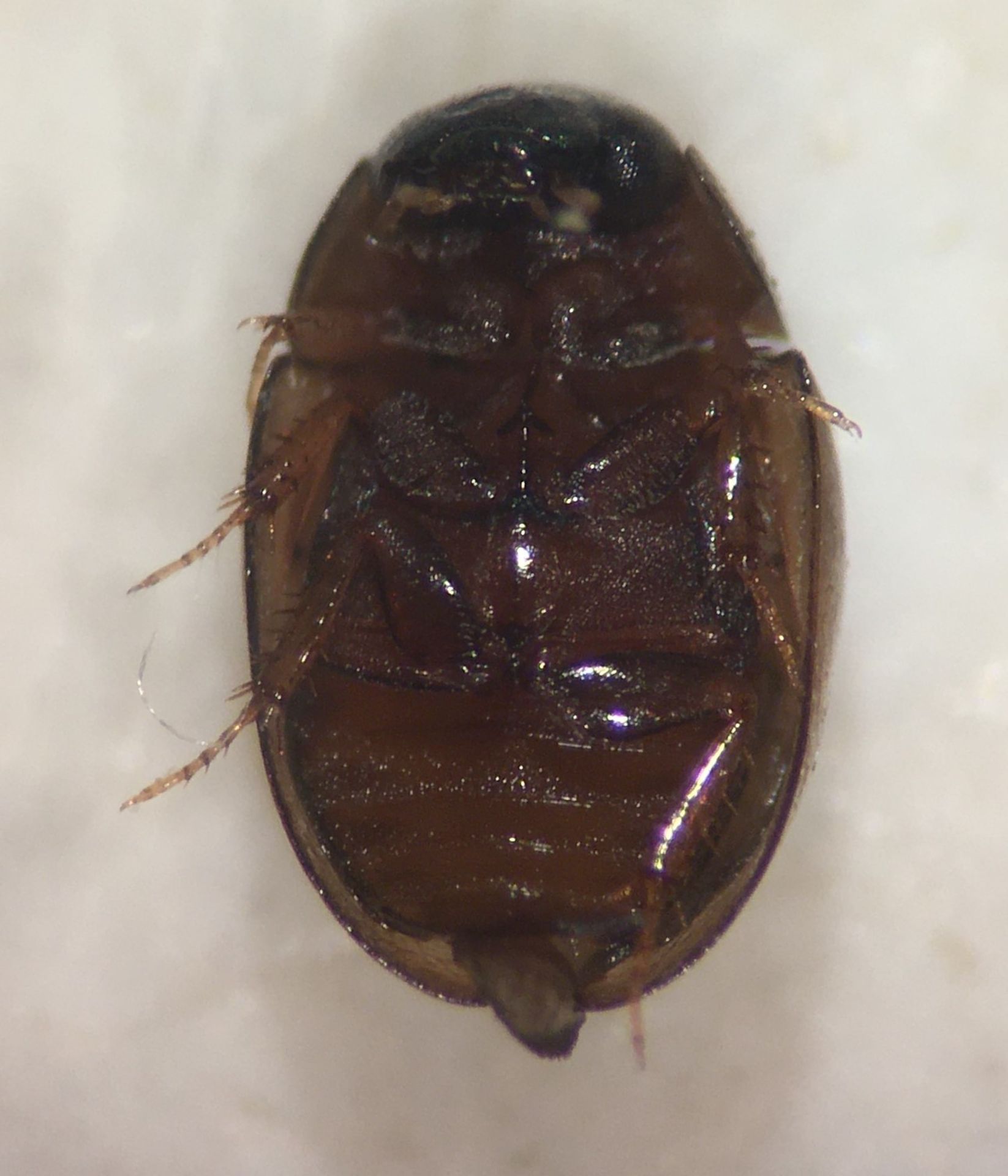
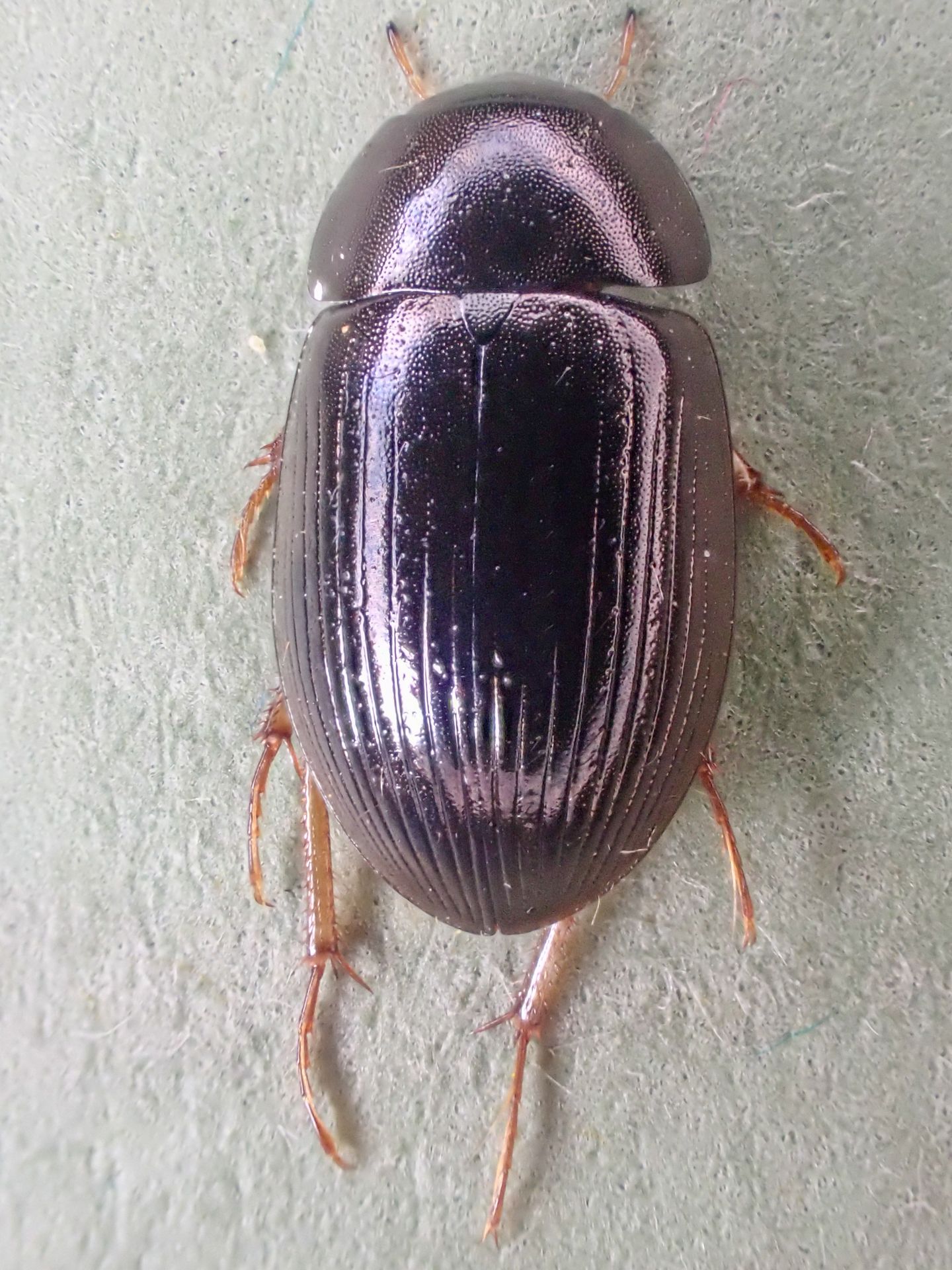
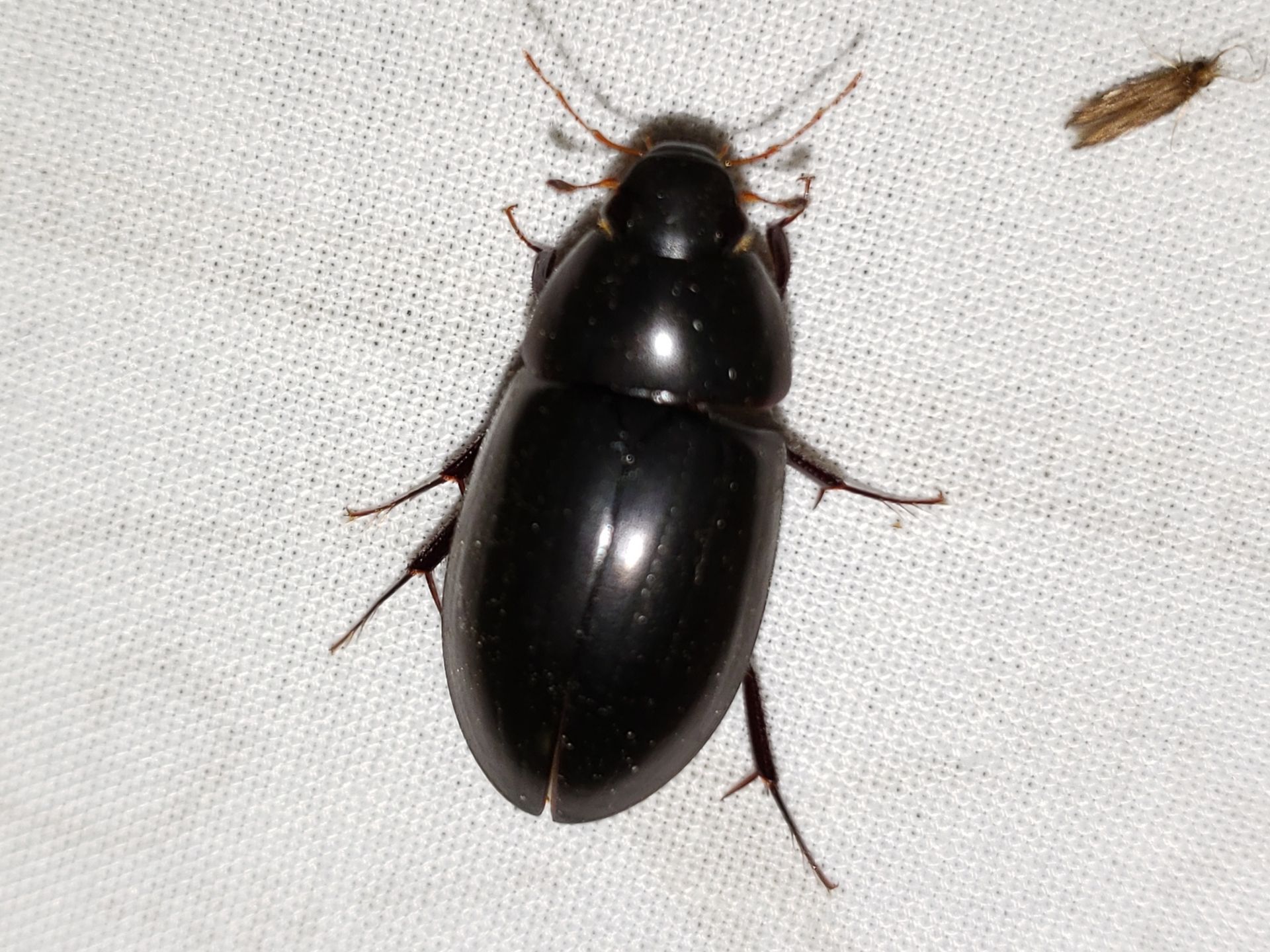
Pronunciation
How to pronounce Hydrophilinae: //ˌhaɪdroʊˈfɪləniː//
These audio files are automatically generated. While they are not always 100% accurate, they are a good starting point.
Identification
Members of Hydrophilinae can be distinguished from other hydrophilid by tribal-level characters. Within the subfamily, tribes are distinguished by morphological features such as the development of the mesoventral keel—Protistolophus, for example, possesses a very weakly developed mesoventral keel that is unusual among Hydrophilini. Larval characters are also diagnostic; Berosini larvae show distinct morphological modifications of the clypeolabrum and appendages associated with benthic and cryptic habits.
Images
Habitat
Predominantly aquatic. Members occupy diverse freshwater . Some lineages have evolved benthic and cryptic larval habits with associated morphological adaptations.
Distribution
distribution with strong representation in the Neotropics and Asia. Documented from southern Venezuela (Protistolophus spangleri), Yunnan Province and Hainan in China (Pelthydrus), and Wisconsin in North America. The Pelthydrus is mainly Asian, with 63 valid .
Life Cycle
Larvae of at least some tribes (e.g., Berosini) exhibit shifts with associated morphological modifications. Specific details vary by and tribe.
Behavior
Larval stages of Berosini have been observed to shift to benthic and cryptic habits, with correlated morphological changes in the clypeolabrum and appendages. are aquatic.
Ecological Role
Aquatic beetles that likely contribute to decomposition and nutrient cycling in freshwater . Specific ecological roles vary by and .
Similar Taxa
- SphaeridiinaeAnother of Hydrophilidae; distinguished by different ecological preferences and morphological characters, with Sphaeridiinae often associated with more terrestrial or -associated compared to the predominantly aquatic Hydrophilinae.
More Details
Tribal classification
The contains five tribes per Short and Fikáček (2013): Amphiopini, Berosini, Hydrobiusini, Hydrophilini, and Laccobiini. Previous classifications recognized additional tribes.
Phylogenetic significance
The Protistolophus was resolved as sister to remaining Hydrophilini genera based on , suggesting it represents an ancient and possibly relict lineage within the .
Sources and further reading
- BugGuide
- Wikipedia
- iNaturalist taxon
- NCBI Taxonomy
- Catalogue of Life
- A new species and a new record of Pelthydrus Orchymont, 1919 from Yunnan, China (Coleoptera: Hydrophilidae: Hydrophilinae)
- Rediscovery of the Neotropical water scavenger beetle Protistolophus spangleri Short with notes on its habitat and behavior (Coleoptera: Hydrophilidae: Hydrophilinae)
- Phylogeny of Berosini (Coleoptera: Hydrophilidae, Hydrophilinae) based on larval and adult characters, and evolutionary scenarios related to habitat shift in larvae
- Aquatic Hydrophilidae and Hydraenidae of Wisconsin (Coleoptera). II. Distribution, Habitat, Life Cycle and Identification of Species of Hydrobiini and Hydrophilini (Hydrophiudae: Hydrophilinae)