Hydrobiusini
Mulsant, 1844
Genus Guides
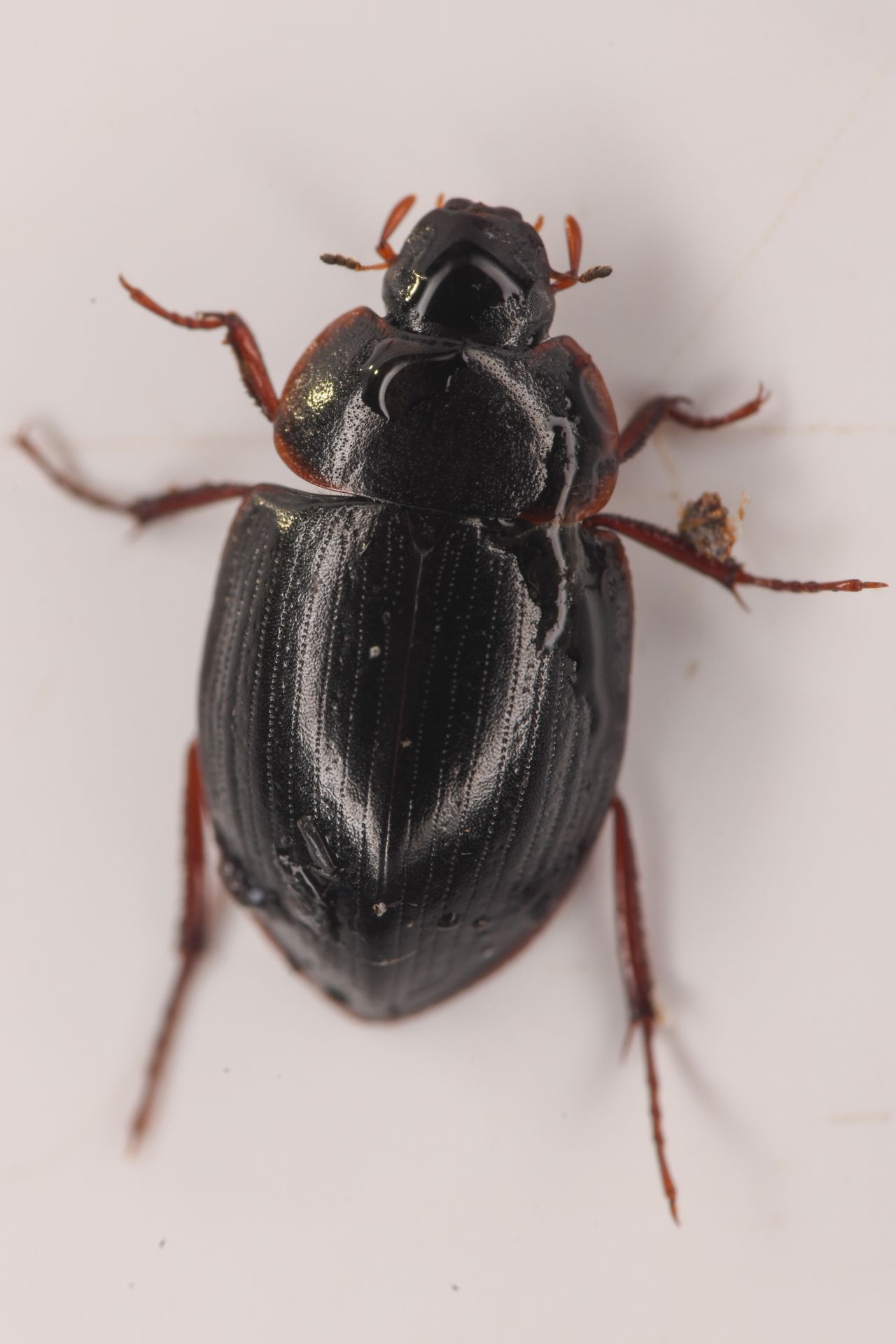
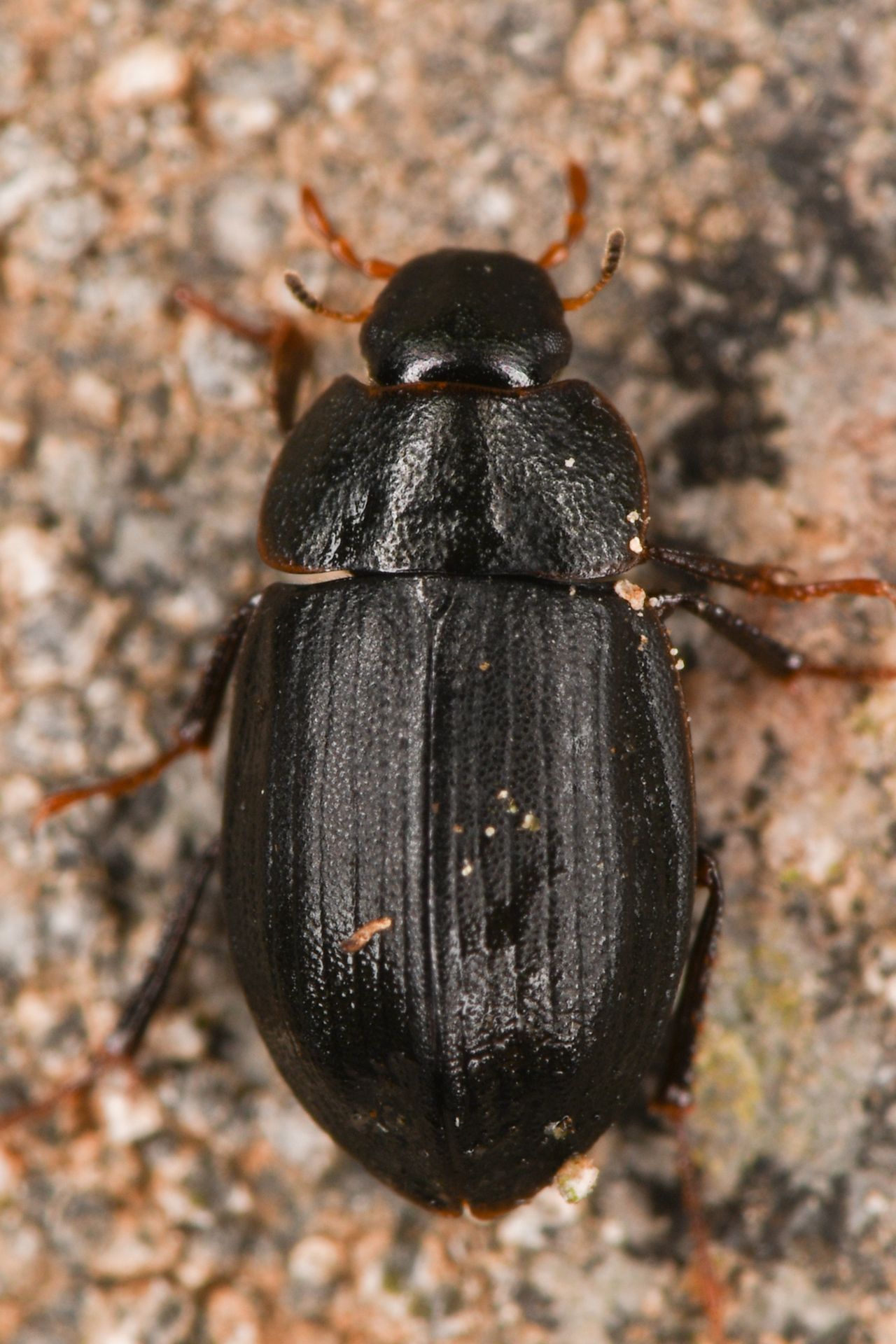
4Hydrobiusini is a tribe of aquatic beetles in the Hydrophilinae, Hydrophilidae. It contains 9 including the well-known Hydrobius, with occurring in freshwater across the Northern Hemisphere. Members are small to medium-sized water scavenger beetles adapted to aquatic life.

Pronunciation
How to pronounce Hydrobiusini: /hɪdroʊˈbiːusɪnaɪ/
These audio files are automatically generated. While they are not always 100% accurate, they are a good starting point.
Identification
Distinguishable from other Hydrophilinae tribes by combinations of antennal club structure, maxillary palp , and male genitalia characteristics. Hydrobiusini generally lack the strongly developed mesoventral keel found in some related tribes. Identification to genus requires examination of mouthpart details and abdominal sternite patterns.
Images
Habitat
Freshwater aquatic environments including ponds, lakes, slow-moving streams, and wetlands. occupy both lentic and lotic waters, often among submerged vegetation or detritus.
Distribution
Primarily distributed across the Holarctic region, with occurring in North America, Europe, and Asia. Some genera have more restricted ranges; Hydrobius is widespread in the Palearctic.
Behavior
Aquatic beetles that swim using alternate movements of the hind legs. surface periodically to collect air bubbles held beneath the for respiration. Larval stages are also aquatic.
Ecological Role
Contribute to nutrient cycling in freshwater as scavengers and . Serve as prey for fish and other aquatic .
Human Relevance
Occasionally used as bioindicators of water quality in freshwater systems. No significant economic importance.
Similar Taxa
- HydrophiliniShares Hydrophilinae but differs in antennal structure and male genitalia ; Hydrophilini typically has more derived mesoventral structures.
- CymbiodytiniAnother Hydrophilinae tribe with aquatic members; distinguished by differences in labial palp structure and abdominal ventrite fusion patterns.
More Details
Taxonomic Uncertainty
counts vary between sources: Wikipedia cites 47 species in 9 , while iNaturalist reports 23 species in 5 genera. This discrepancy likely reflects ongoing taxonomic revisions and varying treatments of genus validity.
Notable Genera
Hydrobius is the type and most -rich; Limnoxenus and Sperchopsis are distinctive genera with specialized preferences.