Hydrophilini
Latreille, 1802
water scavenger beetles
Genus Guides
4- Hydrobiomorpha
- Hydrochara(water scavenger beetles)
- Hydrophilus(Giant Water Scavenger Beetles)
- Tropisternus
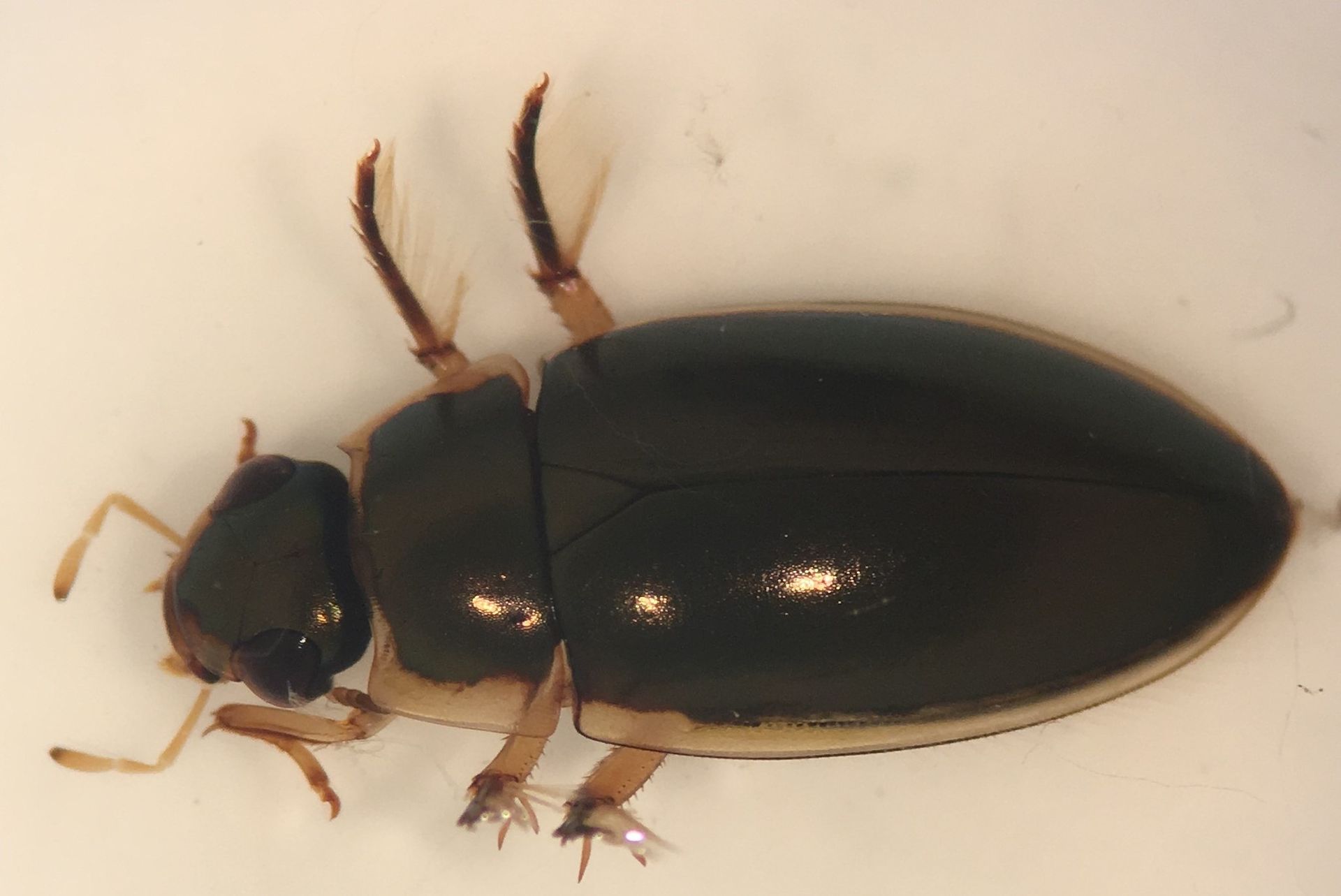
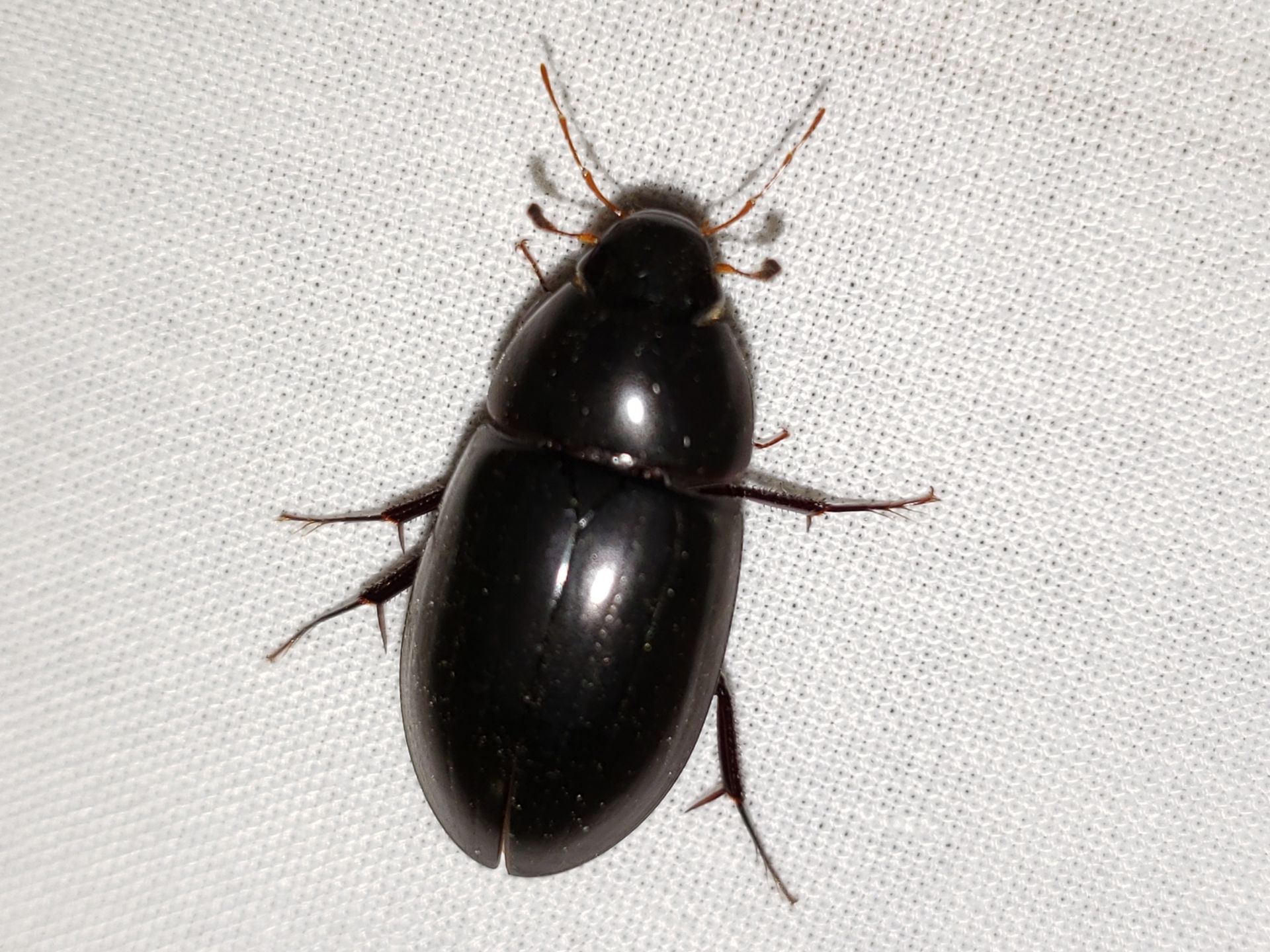
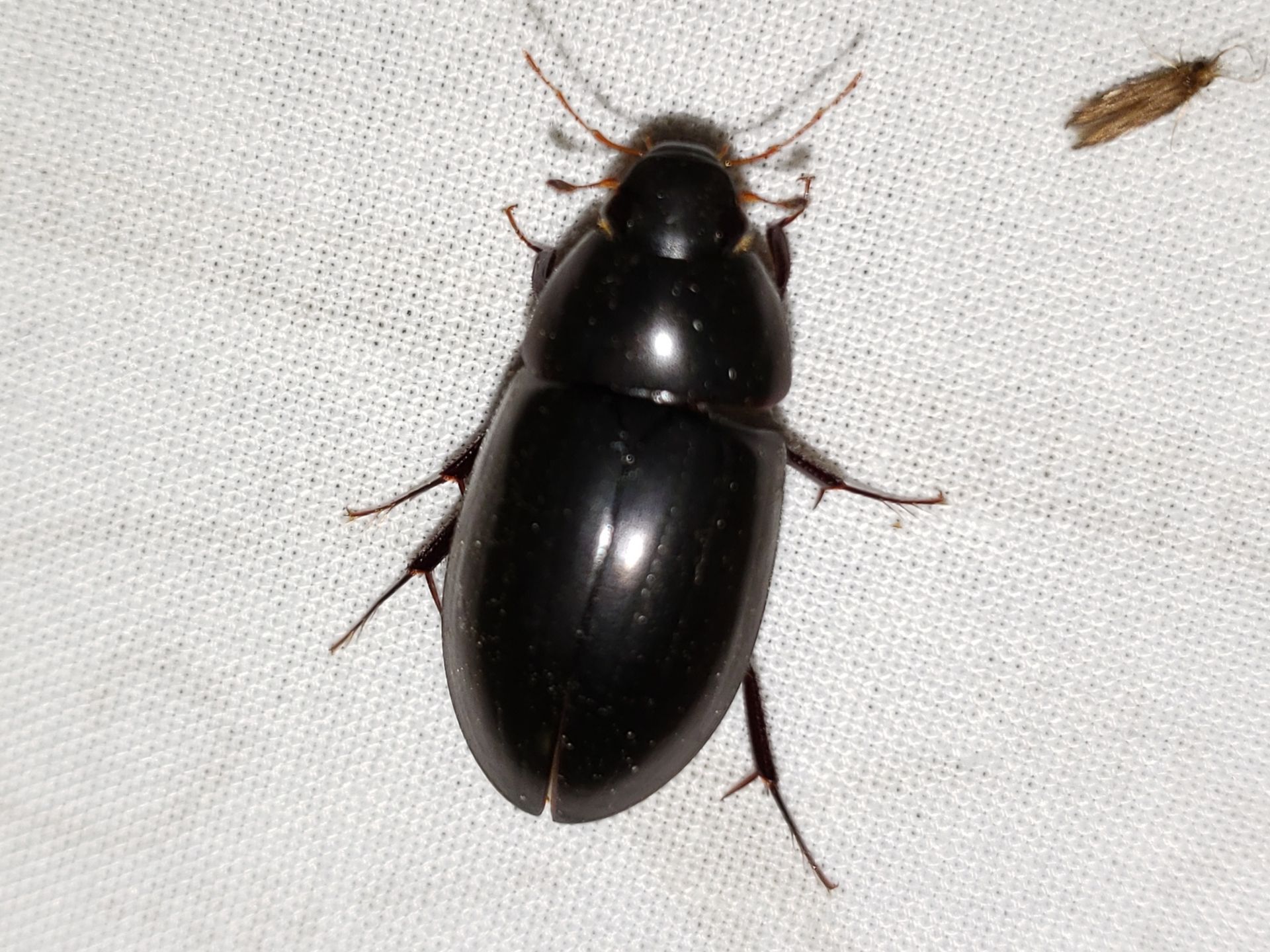
Hydrophilini is a tribe of aquatic beetles in the Hydrophilinae, comprising approximately 198–204 across 7–8 . The tribe includes both aquatic and, in one documented case, terrestrial species. Members are found globally in freshwater , with notable adaptive radiations in isolated island systems such as Hawaii.
Pronunciation
How to pronounce Hydrophilini: //haɪˌdrɒfɪˈlaɪnaɪ//
These audio files are automatically generated. While they are not always 100% accurate, they are a good starting point.
Identification
Larvae possess a siphon at the abdominal tip for breathing at the water surface, a trait distinguishing Hydrophilinae from other hydrophilid . are generally robust, oval to elongate beetles with clubbed . Generic identification requires examination of prosternal process structure, mesoventral elevation, and male genitalia.
Images
Habitat
Freshwater lentic (lakes, ponds) for Hydrochara and Hydrophilus; lotic habitats (streams) and deep lentic waters for Tropisternus. Some inhabit brackish or temporary waters.
Distribution
Global distribution with representation on all continents except Antarctica. Documented from North America (12 in Wisconsin), southern South America, Europe, South Africa, Australia, New Caledonia, and the Hawaiian Islands ( radiation).
Seasonality
of Hydrochara and Hydrophilus overwinter in terrestrial and return to aquatic sites in spring to mate. Adults of Tropisternus overwinter in aquatic habitats, entering these in late summer and autumn. Tropisternus ellipticus completes larval development by mid-summer.
Life Cycle
Hydrochara and Hydrophilus: overwinter terrestrially, return to aquatic sites in spring to mate, oviposit adjacent to aquatic sites, and die; larvae develop aquatically in lentic ; adults disperse to aquatic habitats before entering sites in late summer or early autumn. Tropisternus: larvae and adults are aquatic; adults overwinter in aquatic habitats (streams, deep ponds, lakes), entering these in late summer and autumn.
Behavior
of some (Hydrochara, Hydrophilus) exhibit terrestrial , while others (Tropisternus) remain in water year-round. Hawaiian exhibit wings and flightlessness, an extremely unusual condition in aquatic beetles.
Ecological Role
Aquatic larvae and function as scavengers in freshwater . The Hawaiian radiation represents the first well-supported from aquatic to terrestrial life within Hydrophilinae.
Similar Taxa
- HydrobiiniBoth are tribes in Hydrophilinae with aquatic larvae; Hydrobiini generally have different strategies and preferences, with Hydrobiini more commonly associated with lotic habitats.
- BerosiniBoth occur in lentic of southern South America; Berosini larvae lack the siphon present in Hydrophilini, and differ in mesoventral structure.
Sources and further reading
- BugGuide
- Wikipedia
- iNaturalist taxon
- Catalogue of Life
- Systematics and biology of the endemic water scavenger beetles of Hawaii (Coleoptera: Hydrophilidae, Hydrophilini)
- Biodiversity in some lentic habitats from southern South America I. Hydrophilidae Berosini and Hydrophilini (Coleoptera, Hydrophiloidea)
- Aquatic Hydrophilidae and Hydraenidae of Wisconsin (Coleoptera). II. Distribution, Habitat, Life Cycle and Identification of Species of Hydrobiini and Hydrophilini (Hydrophiudae: Hydrophilinae)