Tropisternus
Solier, 1834
Species Guides
12- Tropisternus affinis
- Tropisternus apicipalpis
- Tropisternus blatchleyi
- Tropisternus collaris(collared water scavenger beetle)
- Tropisternus columbianus(water scavenger beetle)
- Tropisternus fuscitarsis
- Tropisternus glaber
- Tropisternus lateralis(Lateral-lined Water Beetle)
- Tropisternus mixtus
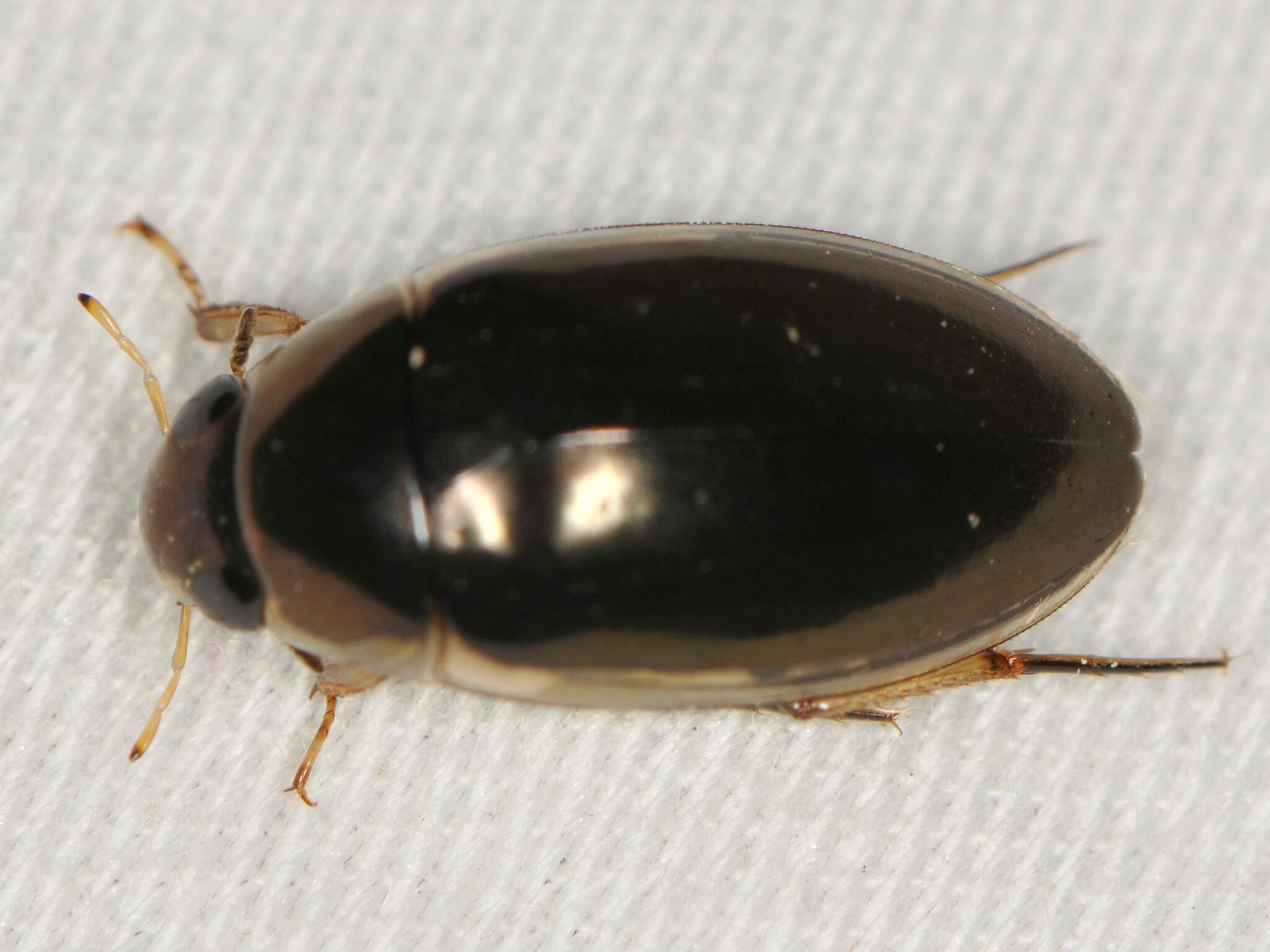
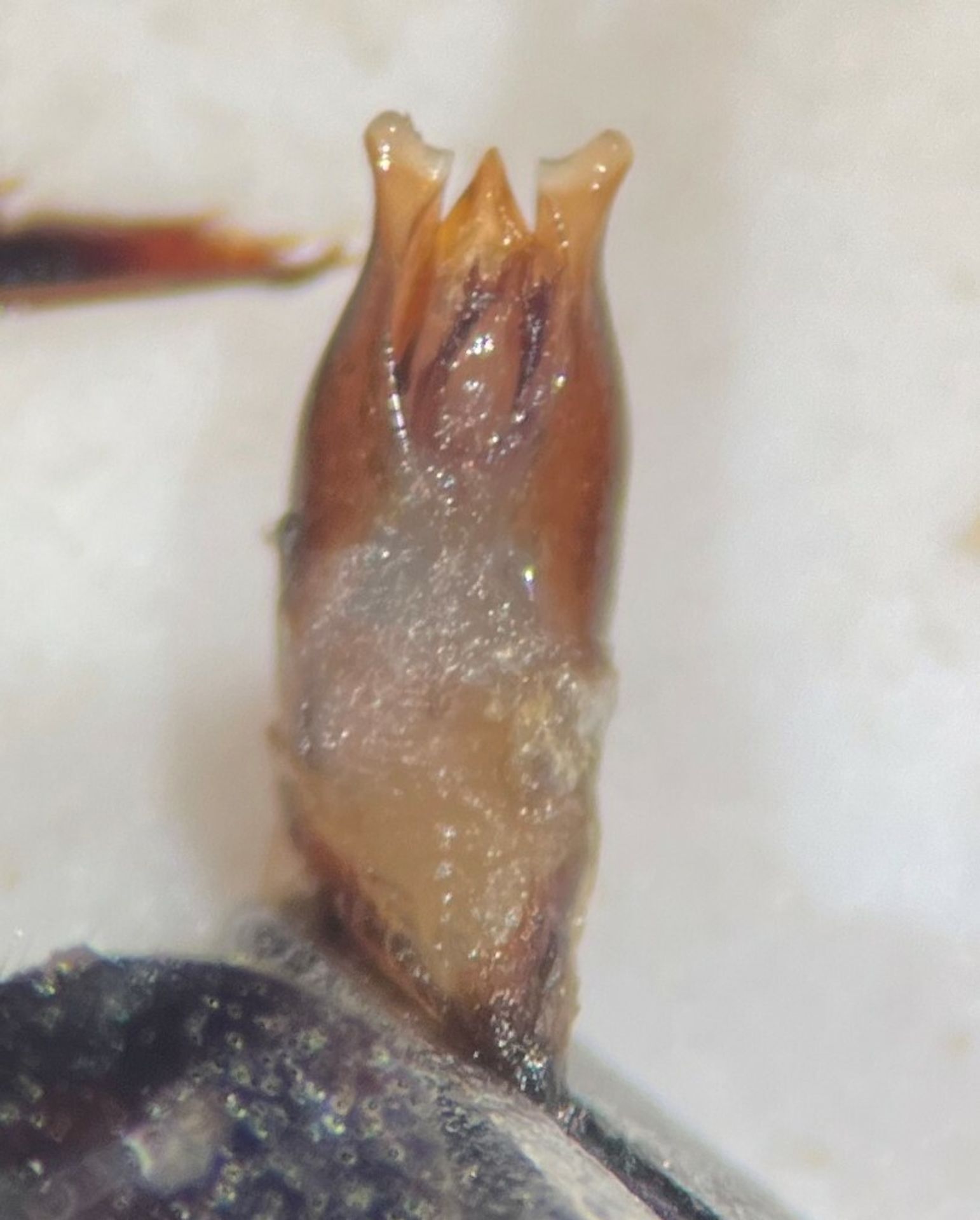
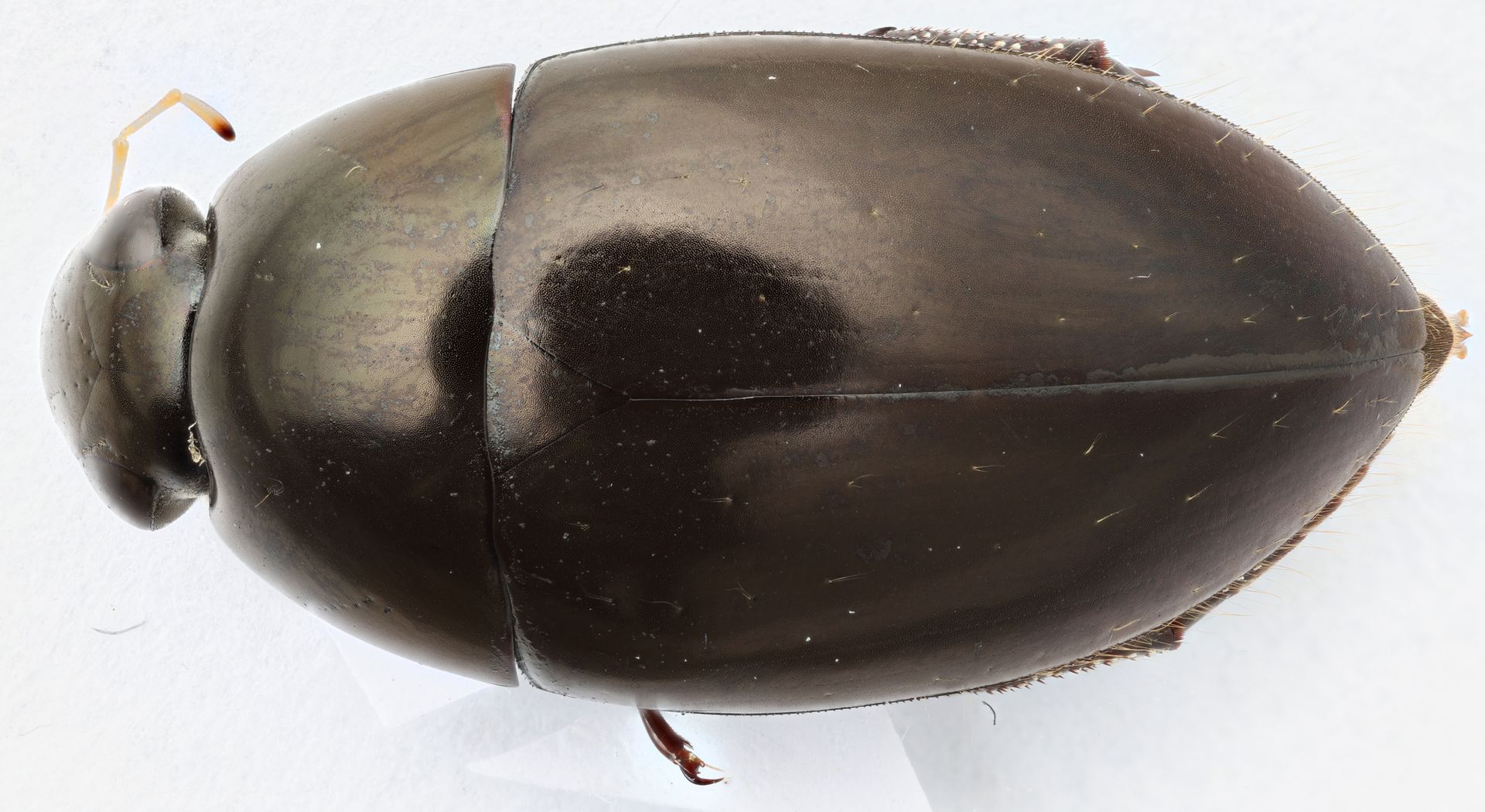
Tropisternus is a of hydrophilid beetles containing 63 in five subgenera, distributed across North and South America. Species in this genus are aquatic or semi-aquatic and have been studied for their , variation, and of temporary water bodies. Research has focused on species-specific mating calls, developmental , and drought avoidance mechanisms.
Pronunciation
How to pronounce Tropisternus: /troʊ.pɪˈstɜrnəs/
These audio files are automatically generated. While they are not always 100% accurate, they are a good starting point.
Images
Habitat
Aquatic and semi-aquatic environments including permanent ponds, temporary playas, and surrounding wetland . have been documented in western Oregon ponds and Southern High Plains playas in Texas.
Distribution
North and South America. Documented from western Oregon and Texas playas in the United States; extensive records from Colombia including Amazonas, Antioquia, Arauca, Atlántico, Bogotá, Bolívar, Boyacá, Caldas, Casanare, Cauca, Chocó, Cundinamarca, La Guajira, Guaviare, Huila, Meta, Putumayo, Risaralda, San Andrés y Providencia, Santander, Sucre, Tolima, Valle del Cauca, and Vaupés departments.
Life Cycle
and distinct developmental stages have been described for at least three . Laboratory rearing methods have been established for comparative studies.
Behavior
Males of at least three (T. ellipticus, T. columbianus, and T. lateralis limbalis) produce species-specific acoustic signals through stridulation, consisting of distinct temporal patterns of chirps and trills that likely function in mate recognition and reproductive isolation. T. lateralis has been observed to colonize temporary playas from surrounding aquatic and avoid drought through aerial .
More Details
Acoustic Communication
Acoustic signaling through stridulation represents a notable behavioral trait in this , with -specific temporal patterns that may serve as prezygotic isolating mechanisms.
Drought Avoidance
T. lateralis demonstrates aerial as a mechanism to escape drying conditions in temporary aquatic .
Sources and further reading
- BugGuide
- Wikipedia
- GBIF taxonomy match
- iNaturalist taxon
- NCBI Taxonomy
- Catalogue of Life
- Comparative Life Histories of Three Species of Tropisternus in the Laboratory (Coleoptera: Hydrophilidae)
- Acoustic Behavior of Tropisternus ellipticus, T. columbianus, and T. lateralis limbalis in Western Oregon (Coleoptera: Hydrophilidae)
- Studies on the Tropisternus mexicanus Complex (Coleoptera: Hydrophilidae) I. The Biology of the Races and their Genetic Crosses
- Biology and Energetics of Tropisternus Lateralis Nimbatus (SAY) (Coleoptera: Hydrophilidae) in a Playa on the Southern High Plains of Texas and Aquatic Coleoptera Diversity from Seven Playas on the Southern High Plains of Texas
- Comparative Studies on the Developmental Stages of Three Species of Tropisternus (Coleoptera: Hydrophilidae)
- Spatial Distribution, Temporal Variation and Specificity of Microhabitat of Tropisternus Species (Coleoptera: Hydrophilidae) in Permanent Ponds
- Biology and Energetics of <I>Tropisternus lateralis nimbatus</I> (Coleoptera: Hydrophilidae) in a Playa on the Southern High Plains of Texas