Laccobiini
Houlbert, 1922
Genus Guides
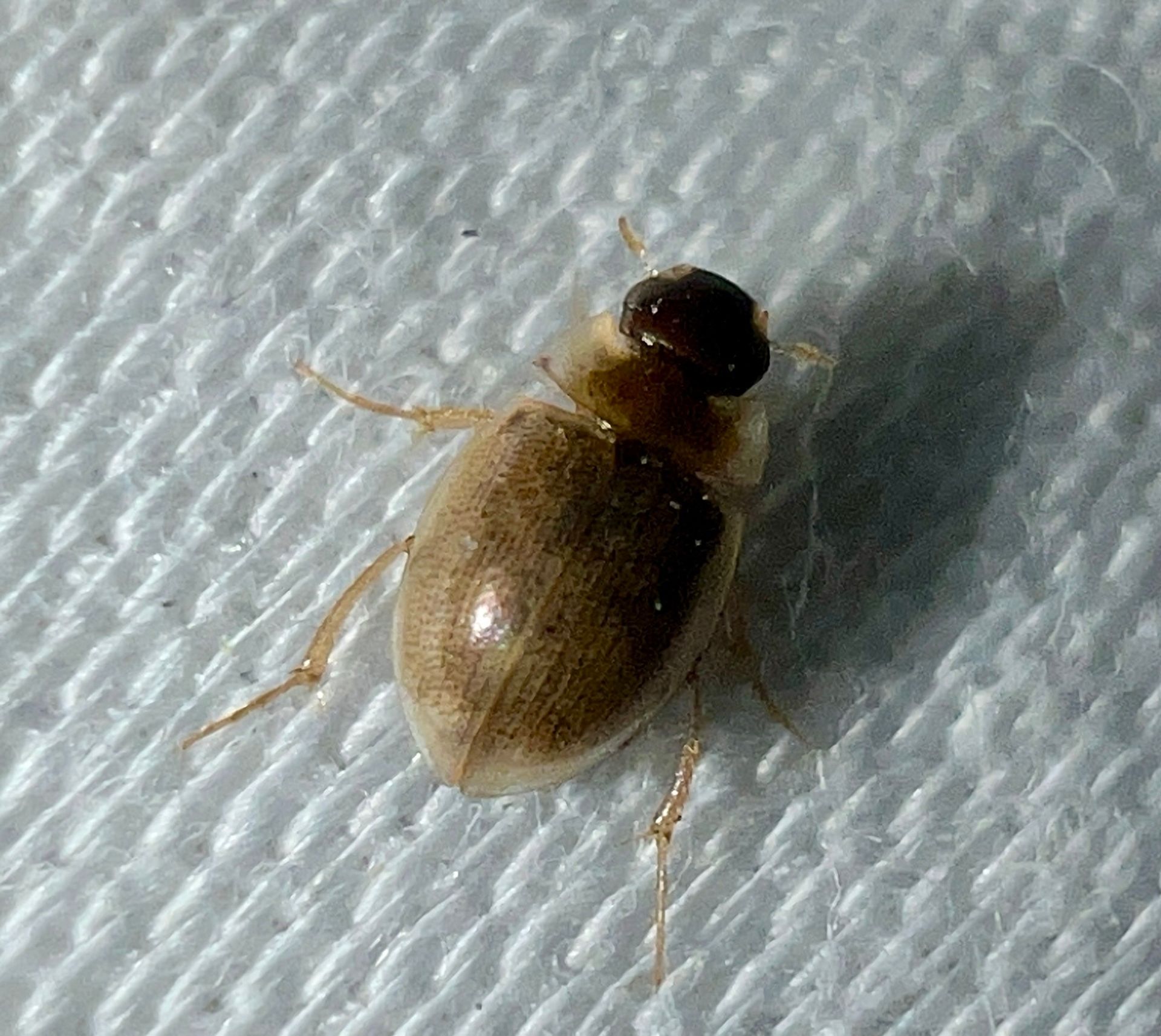
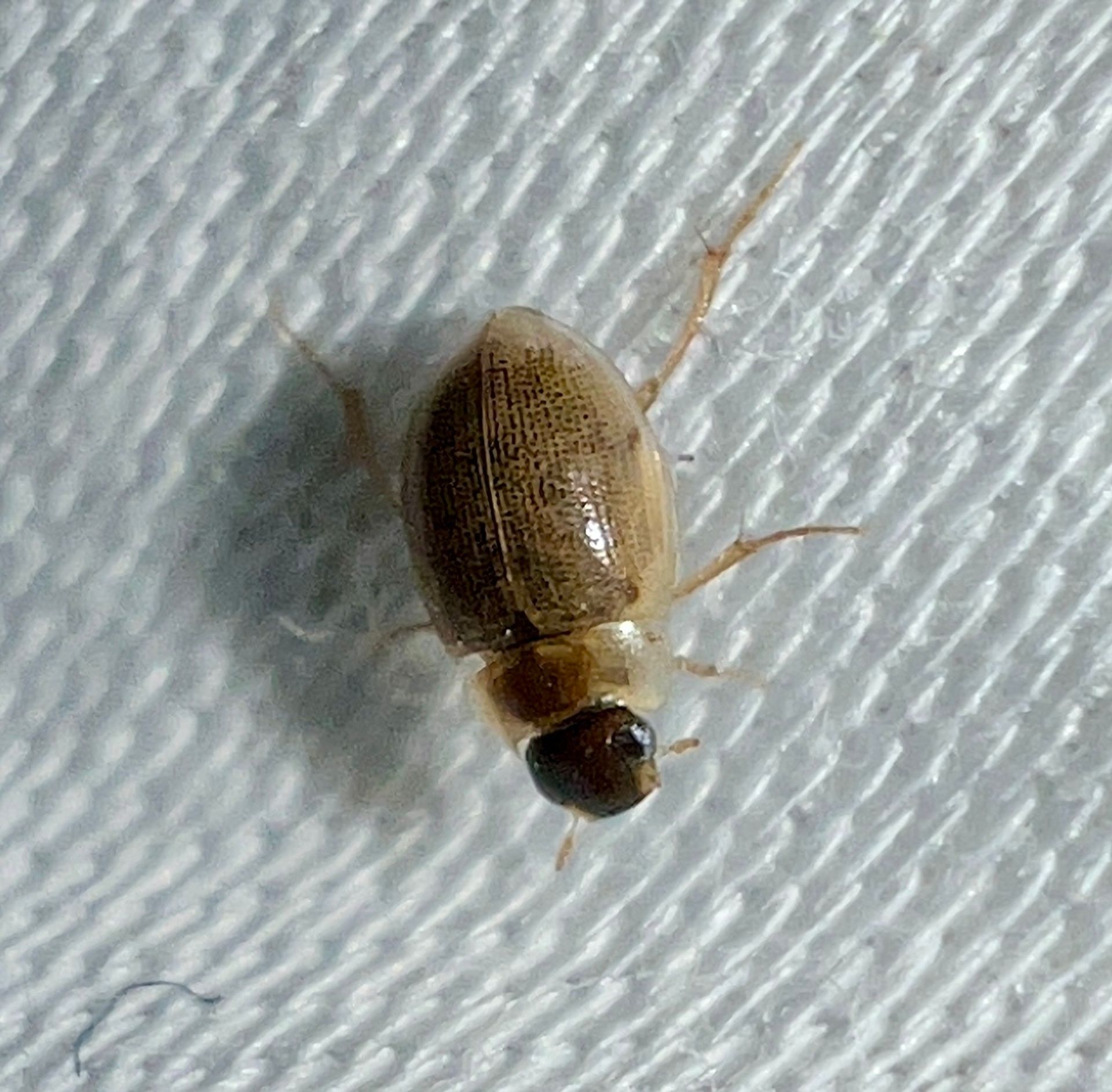
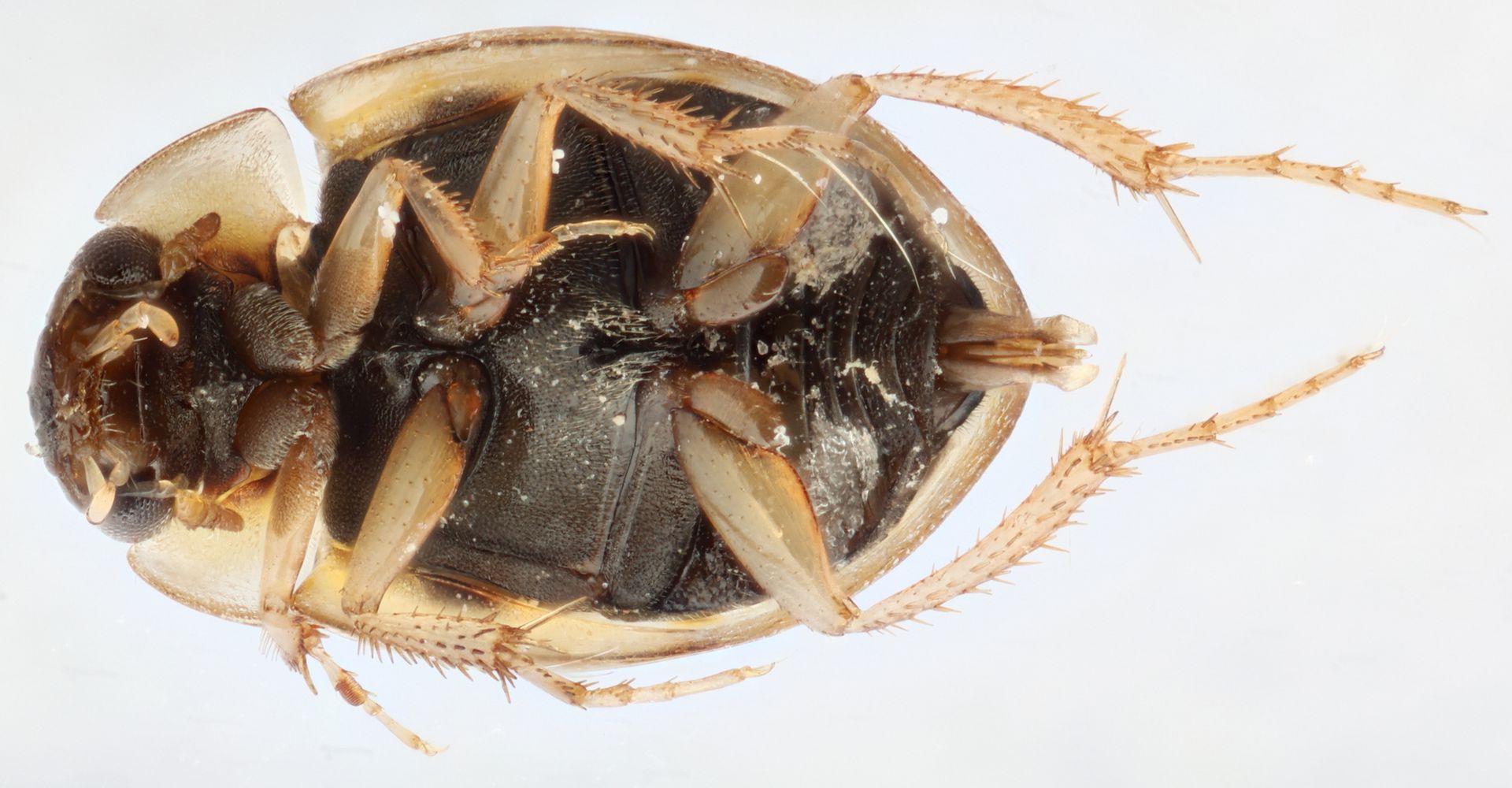
2Laccobiini is a tribe of aquatic beetles within the Hydrophilidae, containing 367 distributed across 8 . Members are small to minute water scavenger beetles occupying diverse freshwater across multiple continents. The tribe includes the well-known genus Laccobius and the hygropetric- genus Oocyclus.
Pronunciation
How to pronounce Laccobiini: //ˌlækəˈbaɪ.ɪˌnaɪ//
These audio files are automatically generated. While they are not always 100% accurate, they are a good starting point.
Identification
Larvae of Laccobiini can be distinguished from other Hydrophilidae tribes by morphological characters detailed in published keys; identification relies on genitalic and external morphological features specific to each . The genus Oocyclus is characterized by small size and association with hygropetric , while Laccobius typically occupy more general aquatic environments.
Images
Habitat
Aquatic and semi-aquatic freshwater . The Oocyclus is specialized for hygropetric habitats including wet rocks, waterfalls, rock seeps, and seepages; one (O. petra) has been observed in sandy stream margins lacking rock substrate. The genus Laccobius occupies broader aquatic habitats.
Distribution
Widespread across multiple biogeographic regions including the Palaearctic (Japan), Neotropics (Venezuela, Brazil, Paraguay, Argentina, Central America), and parts of southern Asia (Thailand, Laos, eastern India, China). Specific distribution varies by : Oocyclus is primarily Neotropical with extensions into Central America and Mexico; Laccobius has broader distribution including Palaearctic regions.
Life Cycle
Complete with -case, three larval instars, and pupal stage. This pattern has been documented for Laccobius kunashiricus; stages are described with detailed chaetotaxy of the larval .
Similar Taxa
- Other Hydrophilidae tribesLaccobiini larvae can be distinguished using published larval character keys; differ in genitalic and preferences, with Laccobiini often occupying smaller, more specialized aquatic microhabitats than larger hydrophilid tribes.
Sources and further reading
- BugGuide
- Wikipedia
- iNaturalist taxon
- Catalogue of Life
- Revision of the Oocyclus Sharp of Brazil with description of ten new species(Coleoptera: Hydrophilidae: Laccobiini)
- A review of the Oocyclus Sharp of Venezuela with description of twelve new species (Coleoptera: Hydrophilidae: Laccobiini)
- Description of immature stages of Laccobius kunashiricus, with a key to genera of the Laccobiini based on larval characters (Coleoptera: Hydrophilidae)
- Three new species of Oocyclus Sharp, 1882, with additional records from China (Coleoptera, Hydrophilidae, Laccobiini).