Laccobius
Erichson, 1837
water scavenger beetles
Species Guides
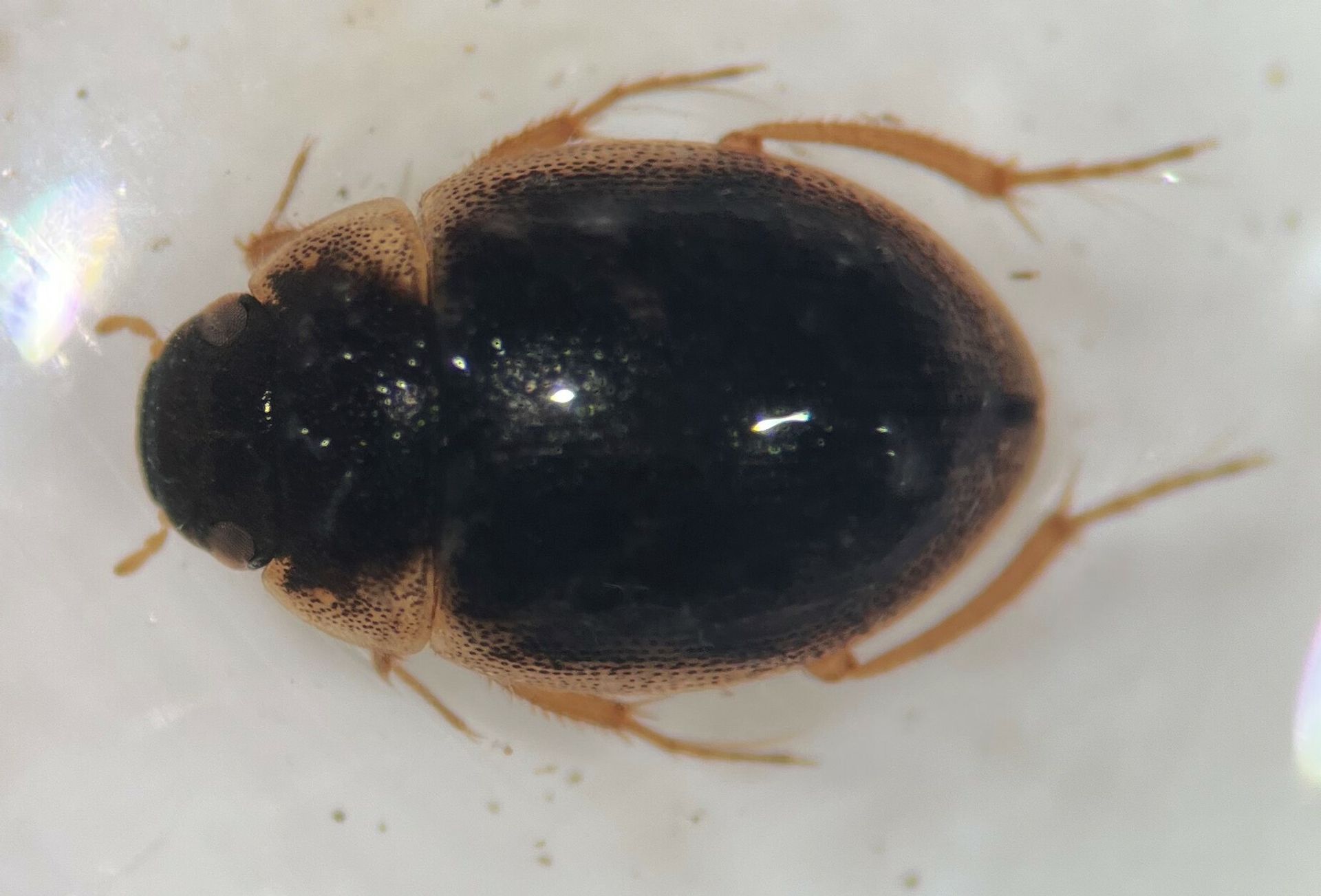
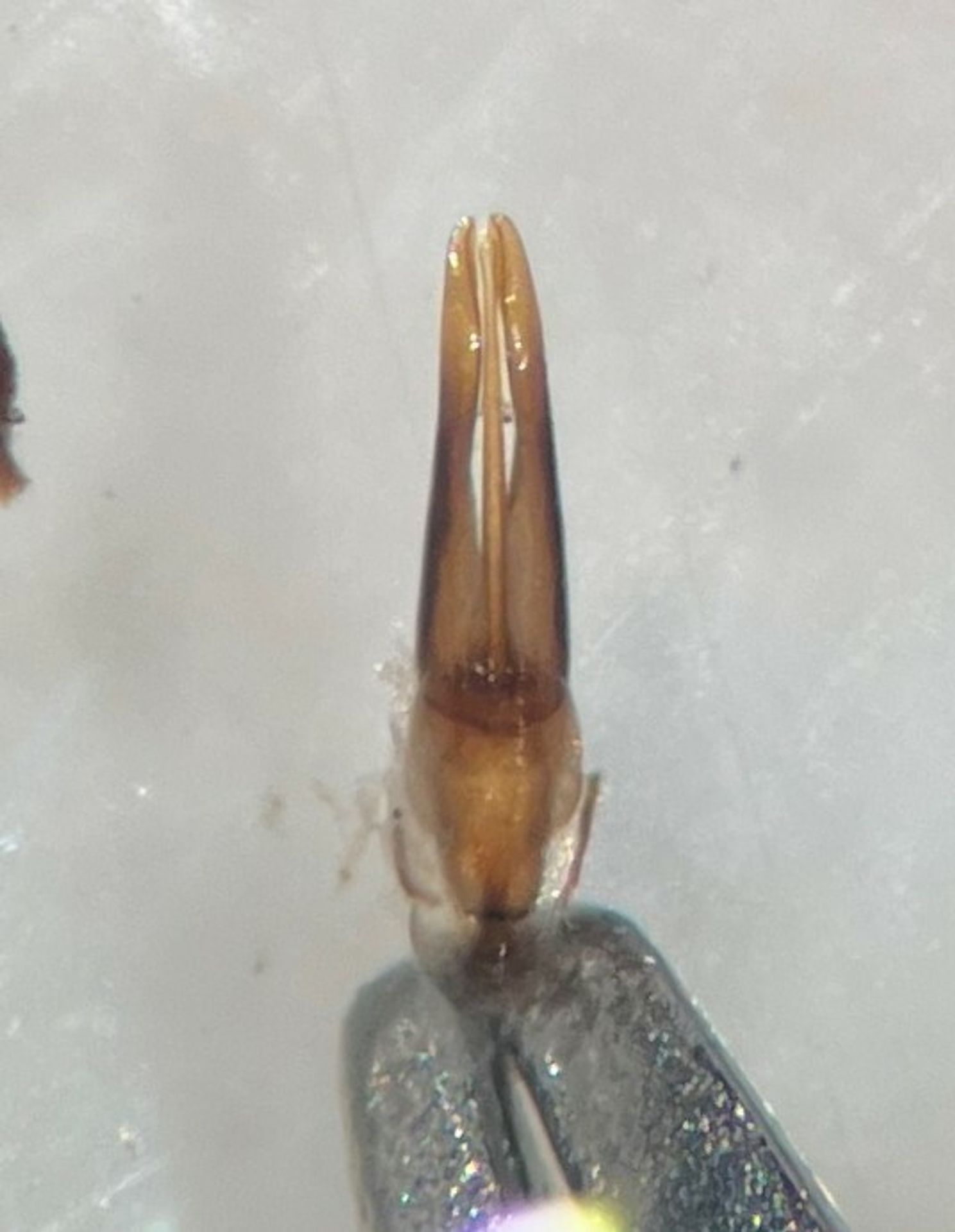
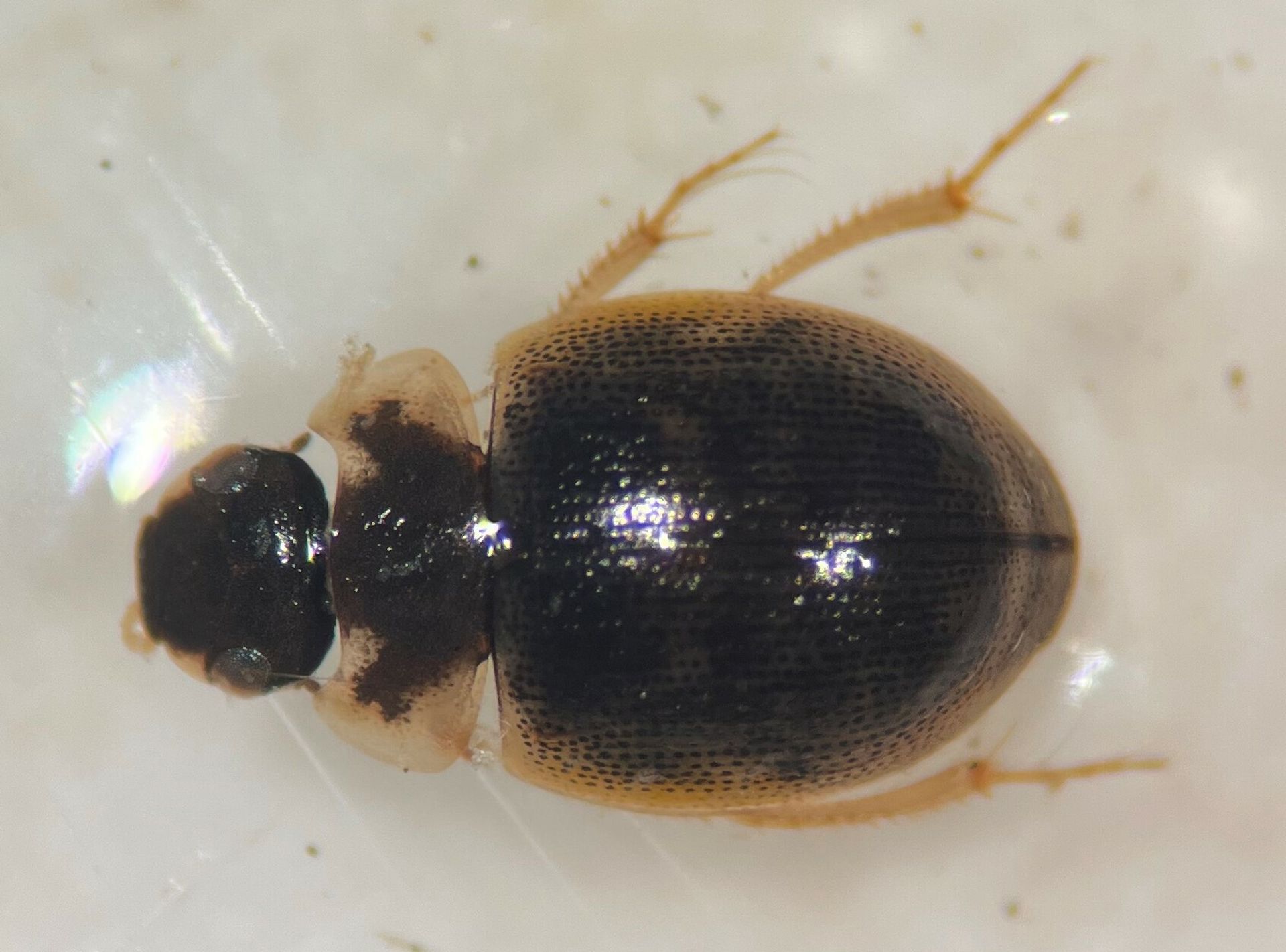
7Laccobius is a diverse of water scavenger beetles in the Hydrophilidae, with more than 80 described worldwide. Species are classified into several subgenera including Microlaccobius, Hydroxenus, Glyptolaccobius, and Dimorpholaccobius. They are found across multiple continents including Europe, Asia, Africa, and North America, inhabiting a variety of freshwater marginal .
Pronunciation
How to pronounce Laccobius: /læˈkoʊ.biː.əs/
These audio files are automatically generated. While they are not always 100% accurate, they are a good starting point.
Images
Habitat
inhabit marginal zones of freshwater bodies including sandy shorelines of pioneer-stage pools, gravels of drying river beds, and other shoreline substrates. Some species are highly stenotopic, restricted to early successional water bodies (1–3 years old) with sandy substrates and minimal vegetation.
Distribution
Worldwide distribution with records from Europe (including Poland, Czech Republic, Scandinavia), Asia (Taiwan, Japan, Russia), and Africa (sub-Saharan Africa, with 26 including 11 in southern Africa).
Life Cycle
stages have been described for some including -case, three larval instars, and pupa. Primary and secondary chaetotaxy of the larval has been documented.
Behavior
Some dig burrows in sandy shore zones. The includes species that are highly numerous in early successional stages of water bodies but absent from later stages despite proximity. One species has been observed as to the ectoparasitic fungus Misgomyces coneglanensis (Laboulbeniales).
Ecological Role
Component of water fauna in freshwater ; some are indicators of early successional stages.
Human Relevance
Some serve as bioindicators for age and successional stage. Collected using flotation methods for survey and monitoring purposes.
Sources and further reading
- BugGuide
- Wikipedia
- GBIF taxonomy match
- iNaturalist taxon
- NCBI Taxonomy
- Catalogue of Life
- Laccobius gracilis Motschulsky, 1855 (Coleoptera: Hydrophilidae), a beetle new in the Polish fauna, with a revised checklist of Laccobius occurring in Poland
- Laccobius leopardus sp. nov. from the Western Cape of South Africa (Coleoptera: Hydrophilidae)
- Review of the Taiwanese Laccobius Erichson, 1837 (Coleoptera: Hydrophilidae), with description of a new species
- Morphological Adaptations of an Ectoparasitic Fungus (Ascomycetes: Laboulbeniales: Misgomyces coneglanensis) to Body-Structures and Mating Behaviour of its Host (Coleoptera: Hydrophilidae: Laccobius minutus)
- The distribution of the water scavenger beetle Laccobius (Dimorpholaccobius) simulatrix Orchymont, 1932 in the Czech Republic and comments to the identification of this species
- Description of immature stages of Laccobius kunashiricus, with a key to genera of the Laccobiini based on larval characters (Coleoptera: Hydrophilidae)