
Photinus consanguineus
LeConte, 1852
double cousin firefly
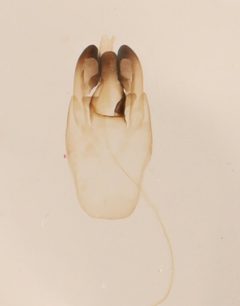
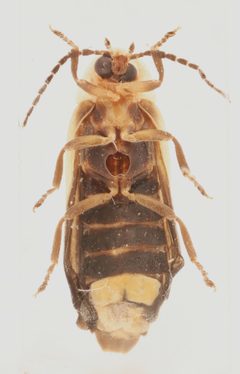
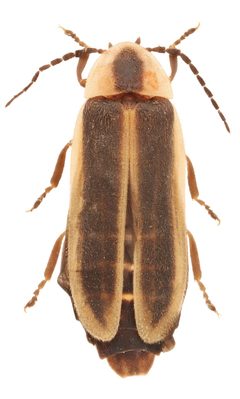
Photinus consanguineus, commonly known as the double cousin firefly, is a of firefly in the Photinus found in eastern North America. Like other Photinus species, produce bioluminescent flashes through a chemical reaction involving luciferin and luciferase. Males fly and emit characteristic flash patterns to locate sedentary females, which respond with their own flashes to facilitate mating. The species threats from light pollution, destruction, and lawn .
Pronunciation
How to pronounce Photinus consanguineus: /fəʊˈtaɪnəs kɒnˌsæŋˈɡwɪniəs/
These audio files are automatically generated. While they are not always 100% accurate, they are a good starting point.
Images
Distribution
Eastern North America; specifically recorded in Ontario, Canada and the northeastern United States.
Similar Taxa
- Photinus pyralisSimilar flash patterns and use; distinguished by subtle differences in flash timing and
- Photinus carolinusSynchronous flashing found in overlapping range; P. carolinus exhibits coordinated group flashing not observed in P. consanguineus
- Photuris spp.Predatory fireflies that mimic Photinus flash patterns to lure and capture males; distinguished by larger size and different flash characteristics
Sources and further reading
- BugGuide
- GBIF taxonomy match
- iNaturalist taxon
- NCBI Taxonomy
- Catalogue of Life
- Bug Eric: Firefly Tag
- Mother Nature's Fireworks - Lightning bugs, Lampyridae — Bug of the Week
- Summer nights and Lucifer’s lights – Lightning bugs, Lampyridae — Bug of the Week
- Mother Nature’s summer light show: Lightning bugs, Lampyridae — Bug of the Week
- Just in time for the 4th of July: Firefly fireworks - Lampyridae — Bug of the Week
- Synchronous Fireflies in Pennsylvania are Rare and Unusual