Nanophyes
Chapin, 1926
Species Guides
2- Nanophyes brevis
- Nanophyes marmoratus(Flower Bud Weevil)
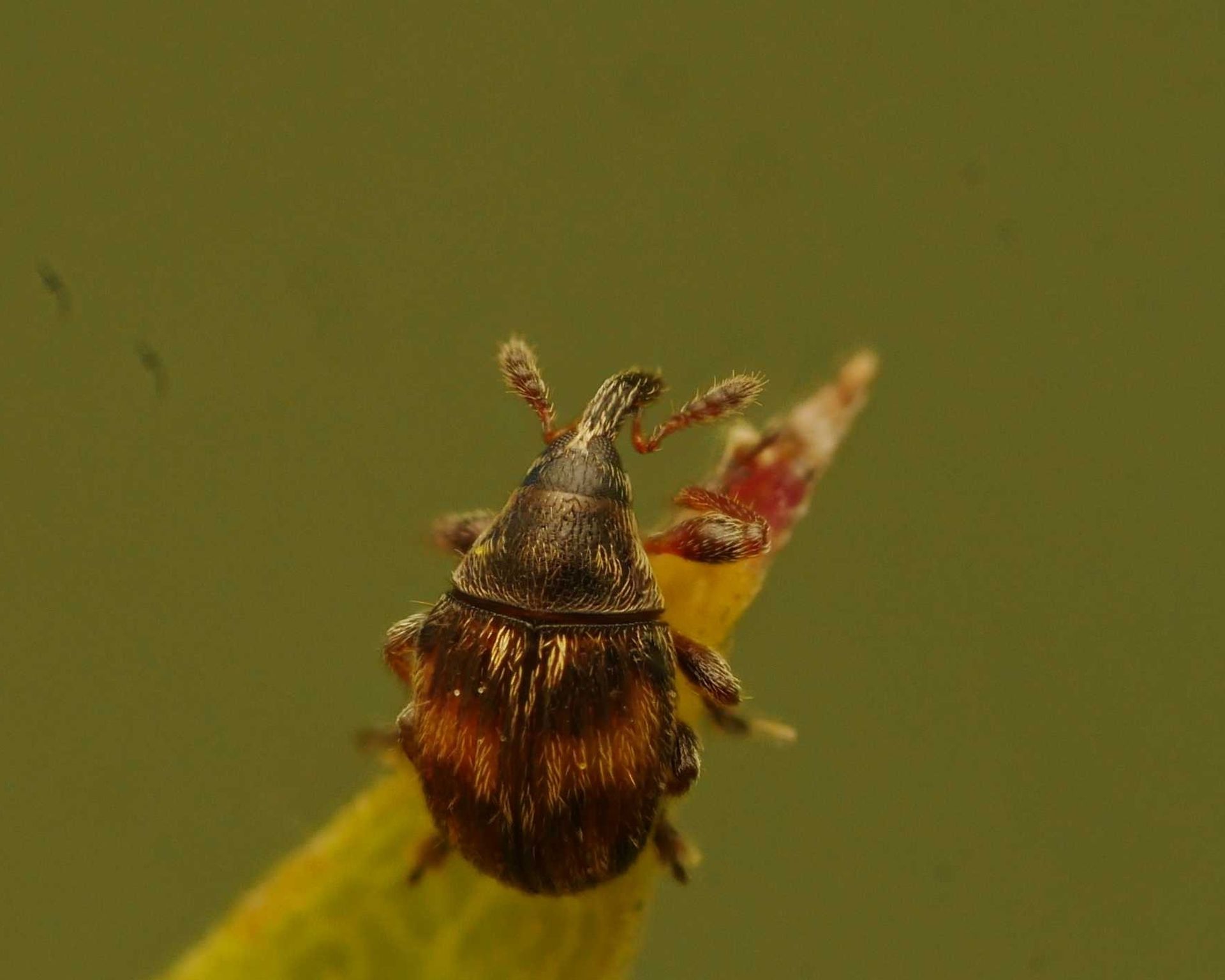
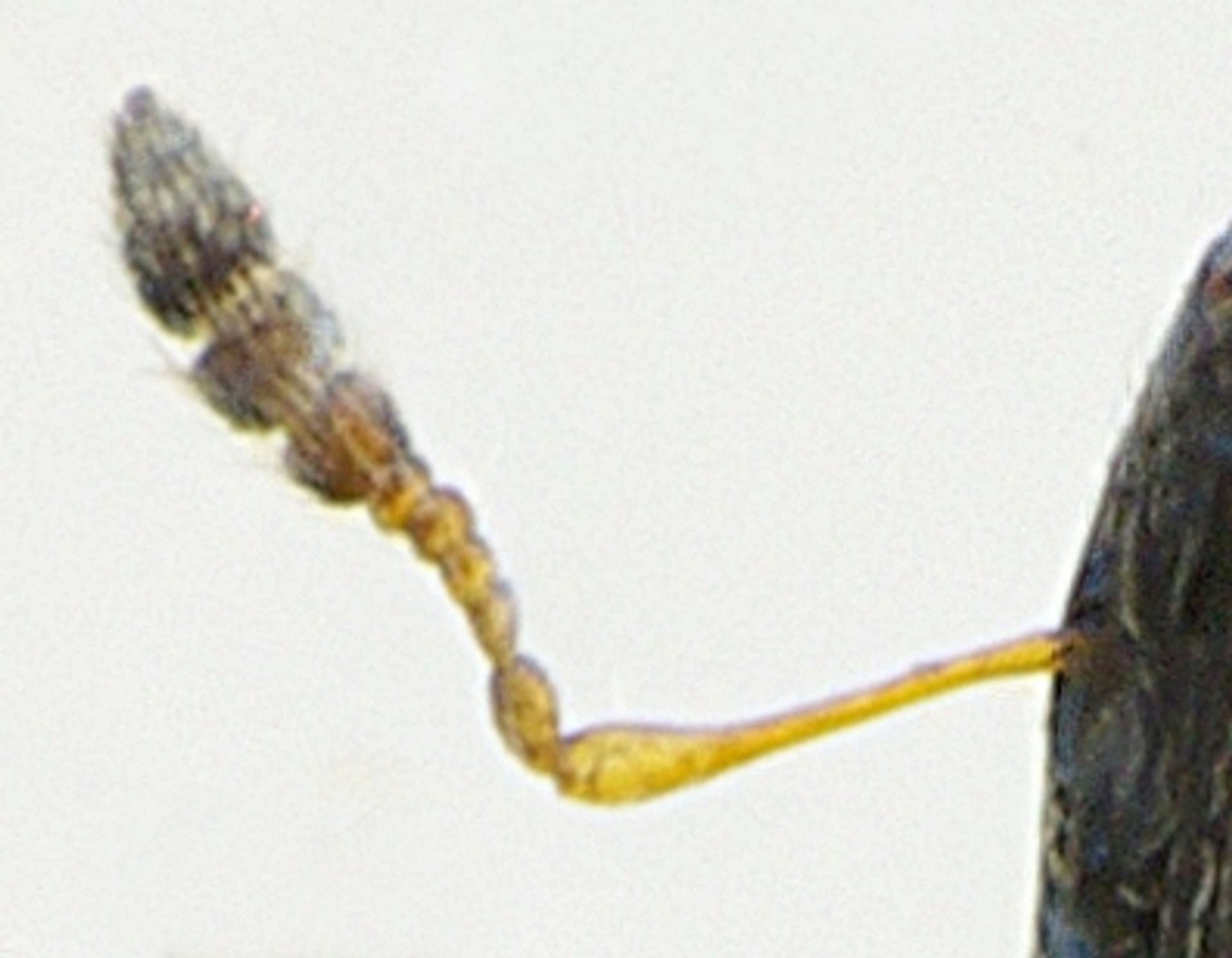
Nanophyes is a of small weevils in the Brentidae, distributed across Europe, Japan, Southern Africa, and parts of Asia. are associated with specific plants, with larvae typically developing inside fruits and feeding on leaves, pollen, and nectar. Some species have been studied as potential agents for aquatic weeds, while others are fruit of forest trees.

Pronunciation
How to pronounce Nanophyes: /ˌnænəˈfaɪiːz/
These audio files are automatically generated. While they are not always 100% accurate, they are a good starting point.
Images
Habitat
Varied by : includes aquatic environments with emergent vegetation, South-east Asian rain forest , and temperate regions. Specific requirements tied to plant distribution.
Distribution
Europe, Japan, Southern Africa, India, and South-east Asian rain forests (Malaysia).
Diet
Larvae feed internally on developing fruits and seeds; feed on leaves, pollen, and nectar of plants.
Host Associations
- Jussieua repens (Onagraceae) - primary ; larvae develop inside fruits, feed on leaves and flowersAquatic weed in India; causes deformed, seedless fruits
- Dipterocarp trees (Shorea and related genera) - ; pre- fruit-South-east Asian rain forest; oviposition coincides with fruit abortion
Life Cycle
(4–8 days) → larva (7–16 days, three , feeds internally in fruit) → pupa (3–6 days, in chamber formed within fruit) → (emerges by biting hole in fruit wall). Total period approximately 14–30 days under laboratory conditions.
Behavior
Females lay singly in flower bud or blossom ovaries. emerge from fruits by biting exit holes. Larvae form separate pupal chambers within fruits before . Oviposition decisions influenced by fruit size and prior oviposition marks.
Ecological Role
Pre- seed ; reduces seed set in plants. Potential agent for aquatic weeds. Host to including Pteromalidae (Habrocytus, Trichomalopsis) and Eupelmidae (Eupelmus).
Human Relevance
Studied for of aquatic weeds (Jussieua repens in India). Potential impact on forestry through seed of commercially important dipterocarp trees.
More Details
Taxonomic Note
The Nanophyes has been classified in Curculionidae (traditional weevils) and Apionidae in older literature, but is currently placed in Brentidae (straight-snouted weevils) based on modern phylogenetic studies.
Reproductive Output
Laboratory studies of Nanophyes sp. nr. nigritulus documented of 89–410 per female, with one female distributing eggs across 167 individual flowers. Maximum longevity recorded: 207 days for female, 93 days for male.