
Archodontes
Lameere, 1903
Species Guides
1- Archodontes melanopus(Live-oak Root Borer)
Archodontes is a of root-boring beetles in the Cerambycidae, containing the single Archodontes melanopus. The genus is to Central America and the south-eastern United States, where larvae bore into the roots of oaks and other hardwood trees. are large, robust beetles with distinctive spiny thoracic margins and dark coloration.
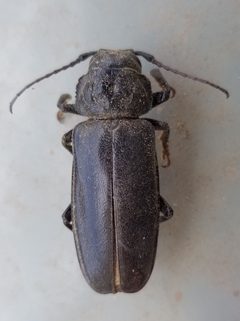
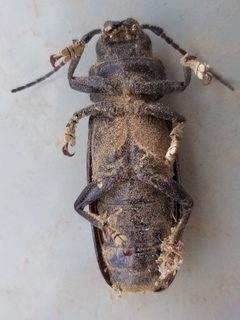
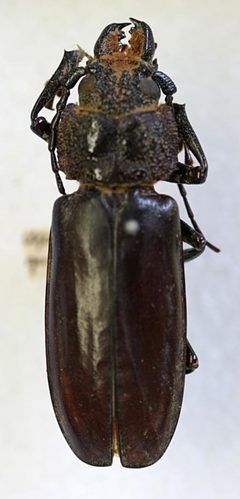
Pronunciation
How to pronounce Archodontes: /ˌɑrkoʊˈdɒntiːz/
These audio files are automatically generated. While they are not always 100% accurate, they are a good starting point.
Identification
Distinguished from other cerambycid by the combination of: large body size (exceeding 50 mm); short shorter than body; with multiple lateral spines including two enlarged spines and two ; with spines extending beyond ; association with hardwood root-boring . Differs from related prionine genera such as Mallodon and Derobrachus by the specific thoracic armature pattern and relatively shorter antennae.
Images
Habitat
Associated with hardwood forests, particularly oak-dominated . Larval is subterranean, within living or dead roots of hardwood trees. habitat includes forested areas where trees occur.
Distribution
to Central America and the south-eastern United States.
Diet
Larvae bore into and feed on the roots of oaks (Quercus spp.) and other hardwood trees. feeding habits are not documented.
Host Associations
- Quercus - larval oak roots
- hardwoods - larval other hardwood tree roots
Life Cycle
Complete with root-boring larval stage. Specific details of -laying, larval instars, site, and longevity are not documented.
Behavior
Larvae are root-borers, tunneling within hardwood roots. are presumably or , as typical for many large cerambycids, though specific activity patterns are not documented.
Ecological Role
Larvae function as wood-boring decomposers or primary consumers of living hardwood roots, potentially contributing to tree stress or mortality in dense . May serve as a food source for subterranean .
Human Relevance
Potential pest of oak and hardwood trees in forestry and urban settings due to root-boring larval damage. Not documented as a significant economic pest. Large size makes conspicuous to collectors.
Similar Taxa
- MallodonRelated prionine with large size and robust build; differs in thoracic armature details and proportions
- DerobrachusAnother large prionine root-borer; differs in having extremely long (often exceeding body length) and different thoracic spine arrangement
- PrionusLarge prionine with root-boring larvae; differs in structure and thoracic
More Details
Monotypy
The contains only a single described , Archodontes melanopus. No additional species have been described since the genus was established in 1903.
Taxonomic placement
Classified in Prioninae, tribe Macrotomini, subtribe Mallodonina, reflecting close relationship to other large root-boring cerambycids.