
Archodontes melanopus
(Linnaeus, 1767)
Live-oak Root Borer
Species Guides
2- Archodontes melanopus aridus(Willow Root Borer)
- Archodontes melanopus serrulatus
Archodontes melanopus is a large root-boring in the Cerambycidae, and the sole in the Archodontes. Native to the southeastern United States and Central America, it bores into the roots of oaks and other hardwood trees. The species was originally described by Linnaeus in 1767 as Cerambyx melanopus. are active during warmer months and are attracted to lights.
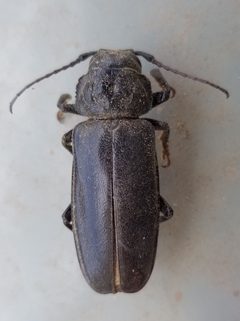
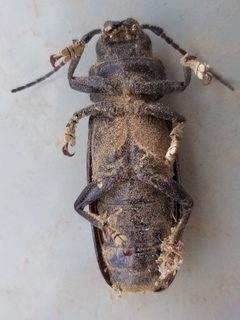
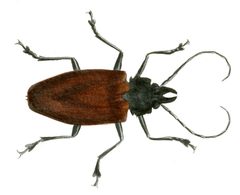
Pronunciation
How to pronounce Archodontes melanopus: /ˌɑːrkəˈdɒntiːz ˌmɛləˈnoʊpəs/
These audio files are automatically generated. While they are not always 100% accurate, they are a good starting point.
Identification
Distinguished from other Cerambycidae by its placement in the Archodontes. The combination of large size, robust , and association with oak root boring separates it from superficially similar prionine beetles. Accurate identification typically requires examination of morphological characters including antennal structure and mandible .
Images
Appearance
Habitat
Associated with hardwood forests, particularly those containing oak (Quercus). Larvae develop within the roots of trees, while may be found on or near host material.
Distribution
Native to the southeastern United States and Central America. GBIF records confirm presence in the United States.
Seasonality
have been observed during warmer months; specific seasonal patterns are not well documented.
Diet
Larvae bore into and consume the wood of oak (Quercus) and other hardwood roots. may feed on bark or other plant tissues, though specific adult feeding habits are not clearly documented.
Host Associations
- Quercus - larval primary ; larvae bore into roots
- hardwoods - larval additional hardwood reported
Life Cycle
Complete with larval development occurring within tree roots. Larval tunnels compromise root structural integrity and vascular function. occurs within the root system. Development likely extends over multiple years given the size of the and wood-boring habit, though specific duration is not documented.
Behavior
are and attracted to light sources. Larvae are cryptic, feeding within roots and producing tunnels that may girdle or weaken host trees.
Ecological Role
As a root borer, larvae contribute to tree mortality and structural degradation of hardwood root systems. This activity may accelerate decomposition and nutrient cycling in forest , though quantitative ecological impacts are not documented.
Human Relevance
Considered a pest of oak and hardwood trees due to larval root-boring damage. can compromise tree stability and health. The "Live-oak Root Borer" reflects its association with economically and ecologically important oak .
Similar Taxa
- Mallodon spp.Also in tribe Macrotomini with similar robust prionine ; distinguished by -level characters and associations
- Other PrioninaeShare large size and robust ; separated by specific morphological characters of Archodontes including antennal and mandible structure
More Details
Taxonomic history
Originally described by Linnaeus in 1767 as Cerambyx melanopus, later transferred to the Archodontes. The genus placement reflects distinctive morphological characters separating it from related prionine genera.
Monotypic genus
Archodontes contains only A. melanopus, indicating either highly specialized ecological requirements or historical factors limiting diversification.