
Saperda cretata
Newman, 1838
Spotted Apple Tree Borer
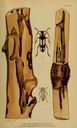
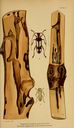
Saperda cretata is a longhorned beetle in the Cerambycidae, described by Newman in 1838. It is distributed across Canada and the United States. The is commonly known as the Spotted Apple Tree Borer, indicating a likely association with apple and related trees in the rose family (Rosaceae). Like other members of the Saperda, it is expected to have larvae that bore into wood, though specific details of its remain poorly documented in available sources.
Pronunciation
How to pronounce Saperda cretata: /sæˈpɛrdə krɪˈtɑtə/
These audio files are automatically generated. While they are not always 100% accurate, they are a good starting point.
Images
Distribution
Known from Canada (Manitoba, Ontario) and the United States. GBIF records confirm presence in North America with specific records from Manitoba and Ontario in Canada.
Host Associations
- apple - inferred from 'Spotted Apple Tree Borer'
- trees in Rosaceae - likely based on related
Similar Taxa
- Saperda candidaSimilar 'Roundheaded Apple Tree Borer' and likely similar preferences on Rosaceae trees
- Saperda lateralisRelated red-edged saperda with similar borer on stressed deciduous trees including maples
More Details
Taxonomic history
Described by Newman in 1838. The has received limited modern study compared to some .
Data gaps
Despite being described nearly 200 years ago, detailed biological information including larval range, , and morphological remain poorly documented in accessible literature.
Sources and further reading
- BugGuide
- Wikipedia
- GBIF taxonomy match
- iNaturalist taxon
- Catalogue of Life
- biodiversity | Blog - Part 42
- Drought, borers and dead trees - Roundheaded borers, Cerambycidae — Bug of the Week
- Recent literature – The Coleopterists Bulletin | Beetles In The Bush
- North America’s most recognizable longhorned beetle | Beetles In The Bush
- Bug Eric: From My Inbox