
Anaglyptini
Genus Guides
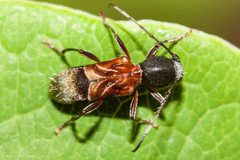
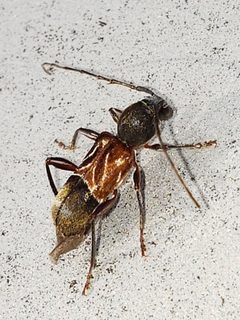
3Anaglyptini is a tribe of longhorned beetles within the Cerambycinae. The tribe comprises at least 12 distributed across multiple continents, including Anaglyptus, Paraclytus, Cyrtophorus, and others. Members are generally small to medium-sized cerambycids, with some genera exhibiting remarkable -mimicry. The tribe shows notable diversity in the Neotropical and Oriental regions, with some genera extending into the Nearctic.

Pronunciation
How to pronounce Anaglyptini: //ænəˈɡlɪptɪnaɪ//
These audio files are automatically generated. While they are not always 100% accurate, they are a good starting point.
Identification
Anaglyptini can be distinguished from related tribes in Cerambycinae by a combination of morphological features, though precise diagnostic characters vary by . Members of this tribe are typically small-bodied compared to many other cerambycines. Some genera, such as Cyrtinus, exhibit pronounced -mimicry with humped and slow, ant-like movement. Antennal structure and leg proportions provide key characters for distinguishing Anaglyptini from the related tribe Clytini, with which it shares some superficial similarities.
Images
Distribution
Anaglyptini has a broad geographic distribution spanning multiple continents. The Paraclytus extends from the Palearctic into northern Vietnam, with recent records documenting the southernmost limits of the genus in Southeast Asia. Other genera occur in the Nearctic, Neotropical, and Oriental regions. Specific distribution patterns vary considerably among constituent genera.
Similar Taxa
- ClytiniShares Cerambycinae and includes -mimicking ; distinguished by antennal and leg structural differences
- TillomorphiniAlso contains small -mimicking cerambycines; separated by morphological details of elytral structure and body proportions