Stenelmis
Dufour, 1835
riffle beetle
Species Guides
15- Stenelmis bicarinata(riffle beetle)
- Stenelmis cheryl(Cheryl's Riffle Beetle)
- Stenelmis concinna(riffle beetle)
- Stenelmis crenata(riffle beetle)
- Stenelmis decorata
- Stenelmis grossa(riffle beetle)
- Stenelmis lignicola(riffle beetle)
- Stenelmis mera
- Stenelmis mirabilis(riffle beetle)
Stenelmis is the largest and most widespread of beetles in the Elmidae. Members are commonly known as riffle beetles due to their association with fast-flowing stream . The genus contains numerous distributed across multiple continents, with documented presence in North America, Europe, and the Caucasus region.
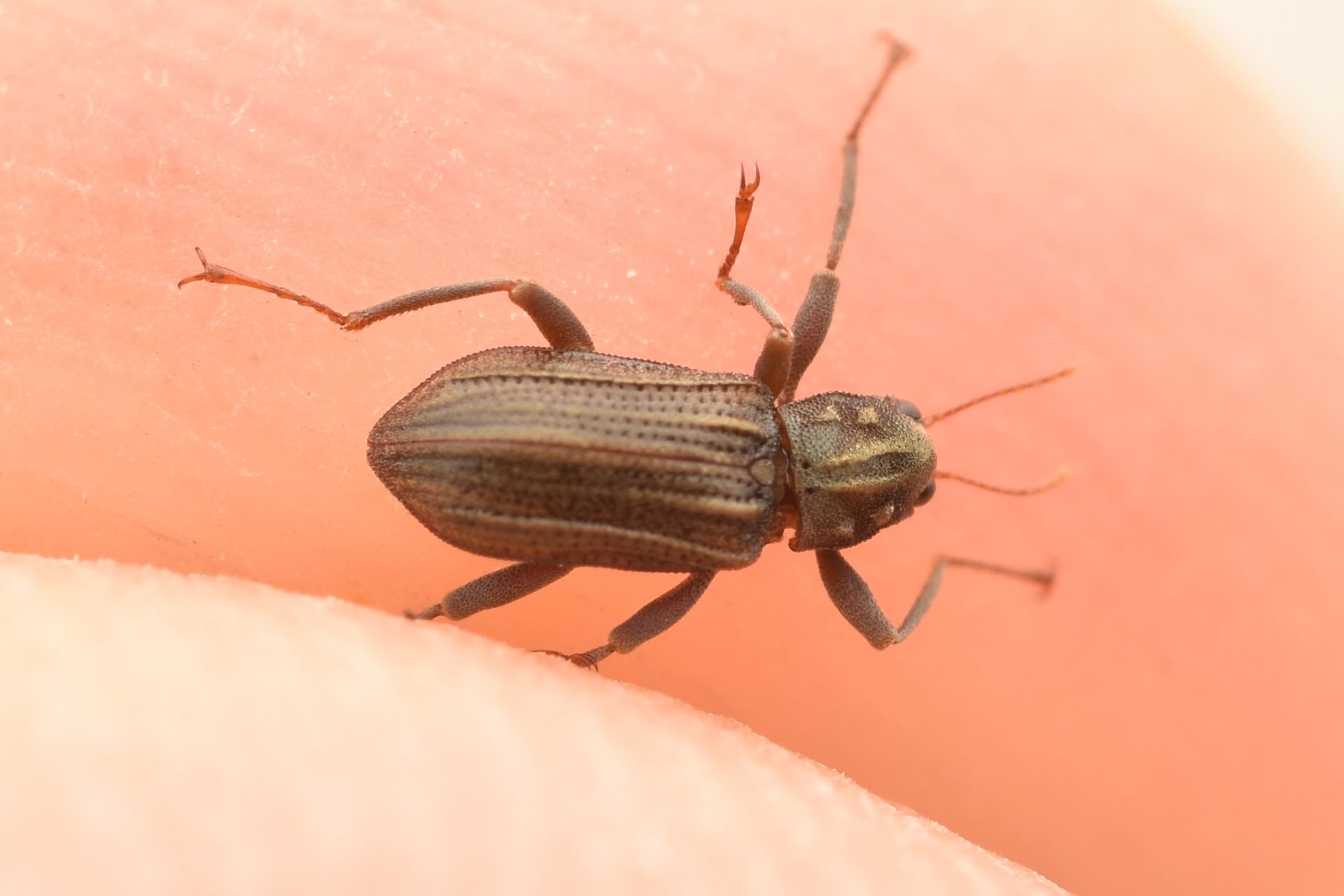
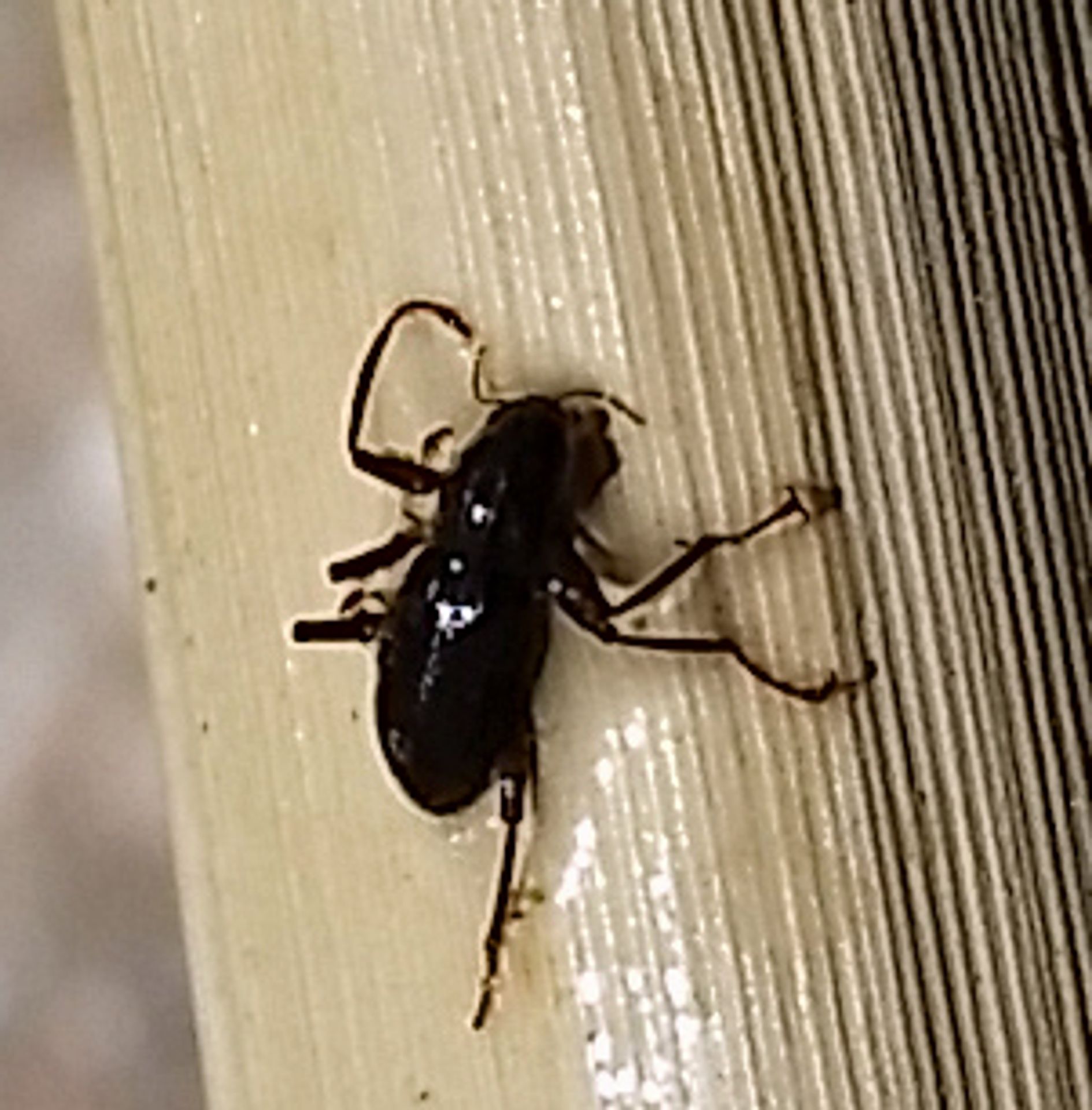
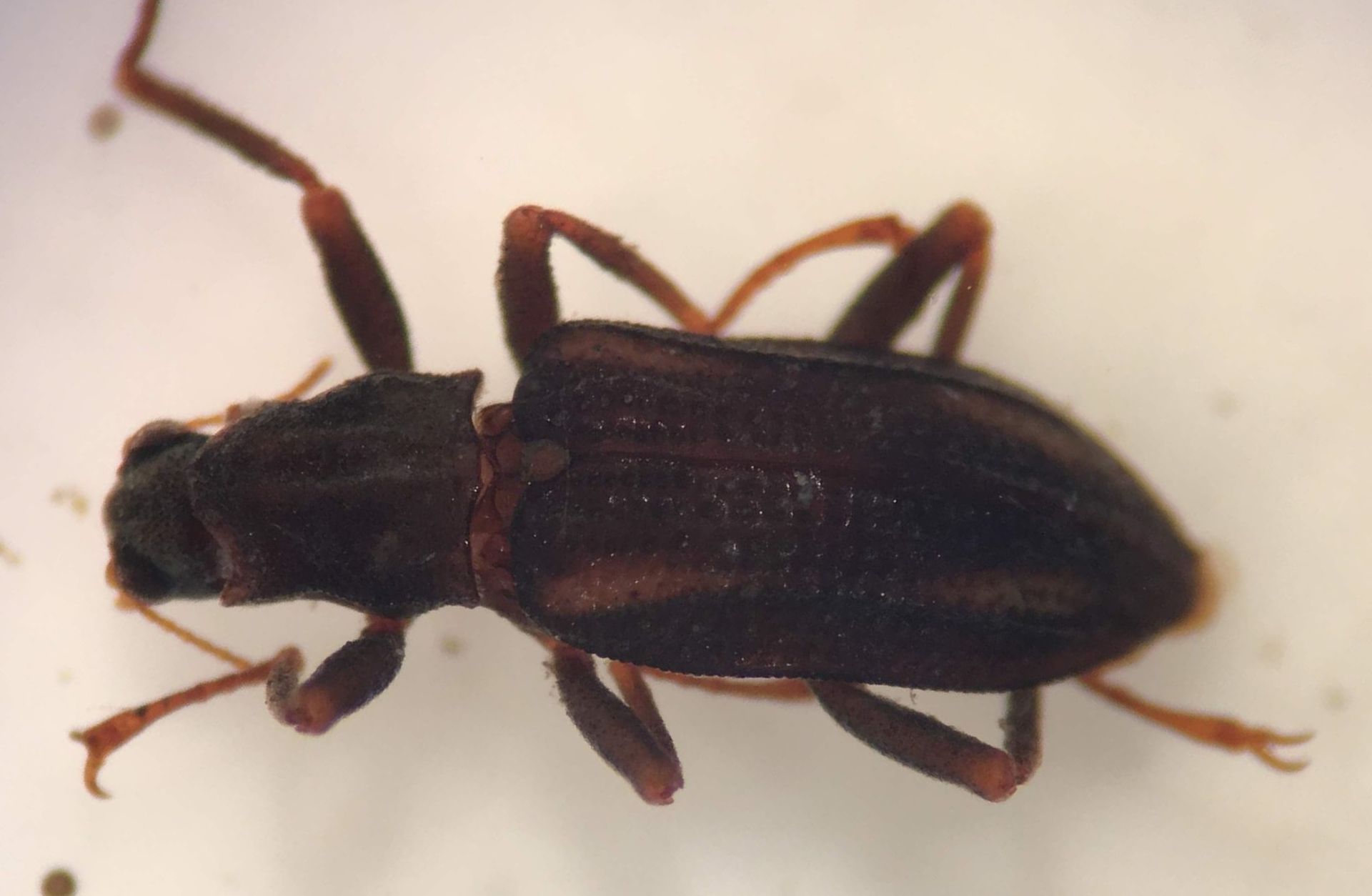
Pronunciation
How to pronounce Stenelmis: //stɛnˈɛlmɪs//
These audio files are automatically generated. While they are not always 100% accurate, they are a good starting point.
Images
Habitat
Riffle in streams—fast-flowing, shallow water with rocky or gravel substrates. Larvae are strictly aquatic and inhabit the fastest-flowing portions of streams. are semi-aquatic, capable of both aerial and aquatic locomotion, and return to water to feed and mate.
Distribution
Widespread across multiple continents. Documented in North America (including Vermont, USA), Europe (Sweden, Norway), and the Caucasus region (Krasnodar Krai, Republic of Adygea, Abkhazia, and possibly Armenia).
Life Cycle
Complete with , larval, pupal, and stages. Larvae are aquatic and inhabit riffle zones. occurs in moist terrestrial environments near the water's edge. Adults are semi-aquatic.
Behavior
possess a —an air bubble held by hydrofuge body hairs—allowing extended underwater respiration. Larvae inhabit fast-flowing riffle zones. Adults are capable of both aerial and aquatic locomotion.
Ecological Role
Aquatic /herbivore in stream ; contributes to nutrient cycling and organic matter processing in riffle .
Sources and further reading
- BugGuide
- Wikipedia
- GBIF taxonomy match
- iNaturalist taxon
- NCBI Taxonomy
- Catalogue of Life
- Life Cycle of the Riffle Beetle, Stenelmis sexlineata (Elmidae)1,2
- Notes on the distribution and ecology of the genus Stenelmis Dufour, 1835 (Coleoptera: Elmidae) in the Caucasus
- Life history and production of the riffle beetle, Stenelmis crenata (Say, 1824) (Coleoptera: Elmidae), in a tallgrass prairie stream