
Suphis
Aubé, 1836
Species Guides
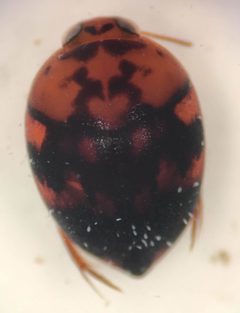
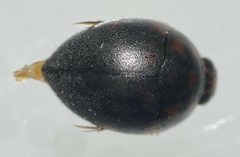
1Suphis is a of small aquatic beetles in the Noteridae, first described by Aubé in 1836. The genus contains approximately eleven described distributed primarily in the Americas, with records from North, Central, and South America. Members of this genus are associated with freshwater , particularly wetlands and slow-moving waters. As part of the Noteridae family, they represent one of several genera within the diverse group of predaceous diving beetles.
Pronunciation
How to pronounce Suphis: //ˈsuːfɪs//
These audio files are automatically generated. While they are not always 100% accurate, they are a good starting point.
Identification
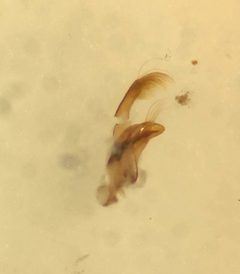
within Suphis are distinguished from other Noteridae primarily through subtle differences in body shape, pronotal and elytral sculpturing, and male genitalia. The genus is characterized by small, compact body forms typical of burrowing water beetles. Specific identification to species level requires examination of microscopic features and generally cannot be accomplished from field observations alone. Suphis species may be separated from the related genus Suphisellus by differences in the structure of the prosternal process and elytral .
Images
Habitat
of Suphis are found in freshwater environments, particularly in wetlands, marshes, and slow-moving or stagnant waters. Colombian distribution records indicate association with complex wetland systems (Complejo Humedales Hato Corozal, Cienaga Zapatosa, Ciénaga San Silvestre). These beetles are typically found in muddy or silty substrates where they burrow.
Distribution
The is distributed across the Americas. Records include the United States (type locality for Suphis inflatus), Mexico, Central America, and South America. Colombian records document presence in multiple departments including Amazonas, Arauca, Atlántico, Bolívar, Casanare, and Chocó. The genus appears to be most diverse in tropical and subtropical regions.
Behavior
Ecological Role
Suphis contribute to dynamics in freshwater wetland as small . Their burrowing likely influences sediment structure and nutrient cycling in the microhabitats they occupy.
Human Relevance
No direct human relevance has been documented. The is of interest primarily to entomologists studying aquatic diversity and .
Similar Taxa
- SuphisellusClosely related in Noteridae with overlapping distribution; distinguished by prosternal process structure and elytral characteristics
- HydrocanthusAnother Noteridae with similar small, burrowing form; differs in body proportions and pronotal shape
More Details
Species Diversity
The currently includes eleven described : Suphis cimicoides, Suphis fluviatilis, Suphis freudei, Suphis globiformis, Suphis inflatus, Suphis insculpturatus, Suphis intermedius, Suphis minutus, Suphis notaticollis, Suphis ticky, and Suphis werneri. Several species were described in the early-to-mid 20th century, with the most recent description being Suphis ticky in 1993.