
Suphisellus
Crotch, 1873
Species Guides
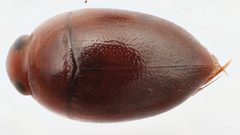
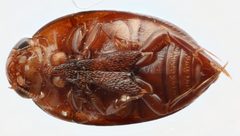
5Suphisellus is a of aquatic beetles in the Noteridae, first described by Crotch in 1873. Members of this genus are found in freshwater across the Neotropical region. The genus is part of the family Noteridae, which are characterized by their streamlined bodies adapted for swimming and burrowing in aquatic sediments.

Pronunciation
How to pronounce Suphisellus: /sʊˈfaɪsɛləs/
These audio files are automatically generated. While they are not always 100% accurate, they are a good starting point.
Identification
Suphisellus can be distinguished from other Noteridae by features of the elytral and the structure of the male genitalia. The genus is separated from the related genus Suphis by differences in the prosternal process and the shape of the metacoxal plates. -level identification requires examination of genitalic structures and fine details of the elytral punctation.
Images
Habitat
Freshwater aquatic environments including ponds, lakes, and slow-moving streams. are typically found in muddy or sandy substrates where they burrow.
Distribution
Neotropical region, with confirmed records from Colombia (Amazonas, Arauca, Atlántico, Bolívar, Boyacá, Caldas, Casanare, Chocó, La Guajira, Magdalena, Norte de Santander, Santander, Sucre, Valle del Cauca) and additional records from Ciénaga San Silvestre. The likely occurs more broadly across northern South America.
Behavior
Similar Taxa
- SuphisClosely related in Noteridae; distinguished by prosternal process shape and metacoxal plate structure
- HydrocanthusAnother Noteridae with similar burrowing habits; differs in body shape and elytral characteristics
More Details
Taxonomic history
Suphisellus was established by Crotch in 1873 to accommodate previously placed in Suphis that showed distinct morphological differences. The has undergone revision, with species definitions refined through examination of male genitalia.
Research status
The remains understudied, with boundaries and distributions poorly documented. Most available information comes from taxonomic revisions rather than ecological studies.