
Suphisellus lineatus
(Horn, 1871)
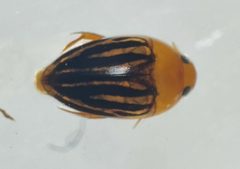
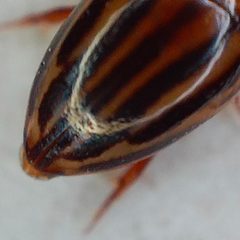
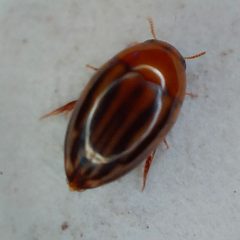
Suphisellus lineatus is a in the Noterinae, described by George Henry Horn in 1871. The occupies freshwater across parts of Central and North America, with documented occurrences in Belize, Guatemala, Mexico, and the United States. Like other members of the Suphisellus, it is adapted to burrowing in muddy or sandy substrates of aquatic environments.
Pronunciation
How to pronounce Suphisellus lineatus: /suːˈfɪsələs laɪˈniːɪtəs/
These audio files are automatically generated. While they are not always 100% accurate, they are a good starting point.
Images
Habitat
Freshwater aquatic environments with muddy or sandy substrates suitable for burrowing. Specific microhabitat preferences within this range are not well documented.
Distribution
Belize, Guatemala, Mexico, and the United States. Distribution records indicate presence in Middle America.
Behavior
Burrowing in aquatic substrates, typical of the Noterinae.
Ecological Role
As a , likely contributes to nutrient cycling in freshwater benthic environments through substrate disturbance and feeding activities.
Sources and further reading
- BugGuide
- Wikipedia
- GBIF taxonomy match
- iNaturalist taxon
- Catalogue of Life
- Who’s been sucking on my bee balm? Fourlined plant bug, Poecilocapsus lineatus — Bug of the Week
- Bee Balm Blues Courtesy of Fourlined plant bug, Poecilocapsus lineatus — Bug of the Week
- Arachnid Matriphagy: These Spider Mothers Literally Die for Their Young
- Complexity Untangled: For Plant Defenses, Pest Attack Order Matters
- Beetle in a Haystack: Environmental DNA Reveals Invasive Pest Incursions
- Super Crop Challenge #15 | Beetles In The Bush