
Blethisa
Bonelli, 1810
Species Guides
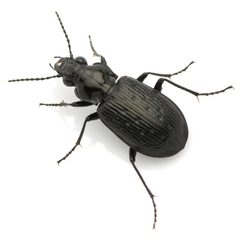
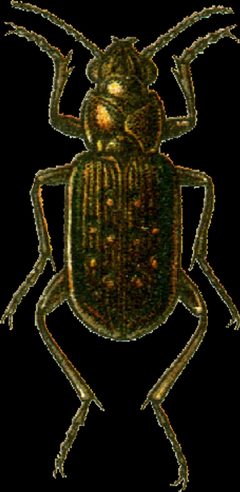
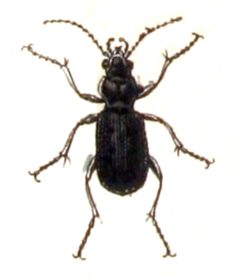
6Blethisa is a of ground beetles in the Carabidae, Elaphrinae. It comprises approximately nine extant distributed across the Holarctic region, plus one fossil species from the Pleistocene. Members of this genus are associated with aquatic or semi-aquatic , with documented diving in at least one species.
Pronunciation
How to pronounce Blethisa: /ˈblɛθɪsa/
These audio files are automatically generated. While they are not always 100% accurate, they are a good starting point.
Identification
Blethisa can be distinguished from other Carabidae by their association with the Elaphrinae, which contains hygrophilous ground beetles. Specific diagnostic morphological features for the are not documented in available sources.
Images
Habitat
Aquatic or semi-aquatic environments, including shorelines and areas subject to flooding. have been observed in association with water bodies where diving is possible.
Distribution
Holarctic distribution, encompassing the Palearctic and Nearctic regions. Documented occurrences include Denmark, Norway, Sweden, and the United States (including Vermont).
Behavior
Blethisa multipunctata has been observed to dive spontaneously and remain submerged for extended periods (up to 97 minutes recorded). This uses its air storage as a physical gill rather than relying on morphological or physiological adaptations for underwater respiration. Submerged individuals periodically emerge briefly before descending again, and approximately 50% of submerged beetles do not leave the water after two hours in experimental conditions.
Similar Taxa
- Other Elaphrinae generaShare hygrophilous habits and aquatic associations; Blethisa is distinguished by its specific diving documented in B. multipunctata and its Holarctic distribution pattern.
More Details
Fossil record
One extinct , Blethisa pleistocenica Lomnicki, 1894, is known from the Pleistocene.
Species count
Nine extant are currently recognized: B. catenaria, B. eschscholtzii, B. hudsonica, B. julii, B. multipunctata, B. oregonensis, B. quadricollis, B. tuberculata, and the fossil B. pleistocenica.