
Metisotoma
Maynard, 1951
Species Guides
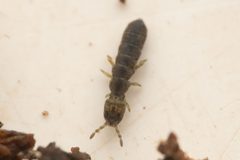
1Metisotoma is a of elongate-bodied springtails in the Isotomidae. The genus includes at least four described , with Metisotoma grandiceps recognized as the only veritable among springtails. Species occur primarily in Arctic, subarctic, and montane tundra across the Holarctic region. The genus was established by Maynard in 1951.
Pronunciation
How to pronounce Metisotoma: /mɛtɪsəˈtoʊmə/
These audio files are automatically generated. While they are not always 100% accurate, they are a good starting point.
Identification
Diagnostic characters include labial palp structure, number of s-setae, macrochaetotaxy, and chaetotaxy of the body. These features separate Metisotoma from each other and from other isotomid .
Images
Habitat
Arctic and subarctic tundra; mountain tundra zones. Collections documented from tundra in Taimyr, Siberia, Far East, Altai Mountains, and Magadan Region.
Distribution
Holarctic distribution: Taimyr Peninsula (type locality for M. grandiceps), Siberia, Russian Far East, Altai Mountains, Magadan Region, Canada, and Japan.
Diet
Predatory (). Metisotoma grandiceps is explicitly described as the only veritable among springtails.
Behavior
has been observed in laboratory conditions. Specific behavioral details beyond this observation are not documented.
Similar Taxa
- Other Isotomidae generaMetisotoma is distinguished by its elongate body form and predatory ; most isotomid springtails are or fungivores rather than .
More Details
Taxonomic revision
A 2018 revision (Zootaxa 4399) described two new from the Altai Mountains and Magadan Region: M. stebaevae and M. bermani. This study also redescribed M. grandiceps, M. macnamarai (Canada), and M. ursi (Japan).