Choctella cumminsi
Chamberlin, 1918
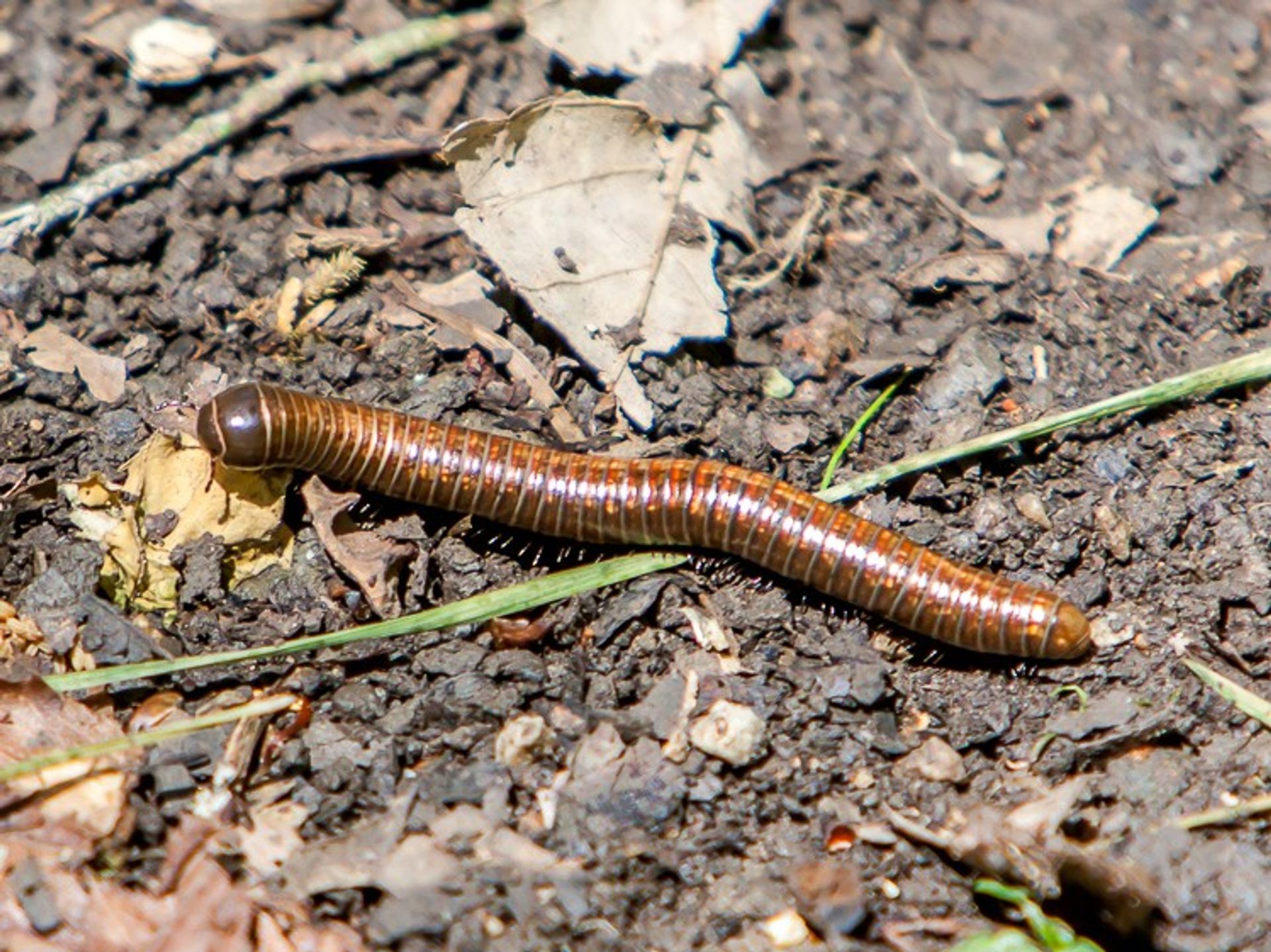
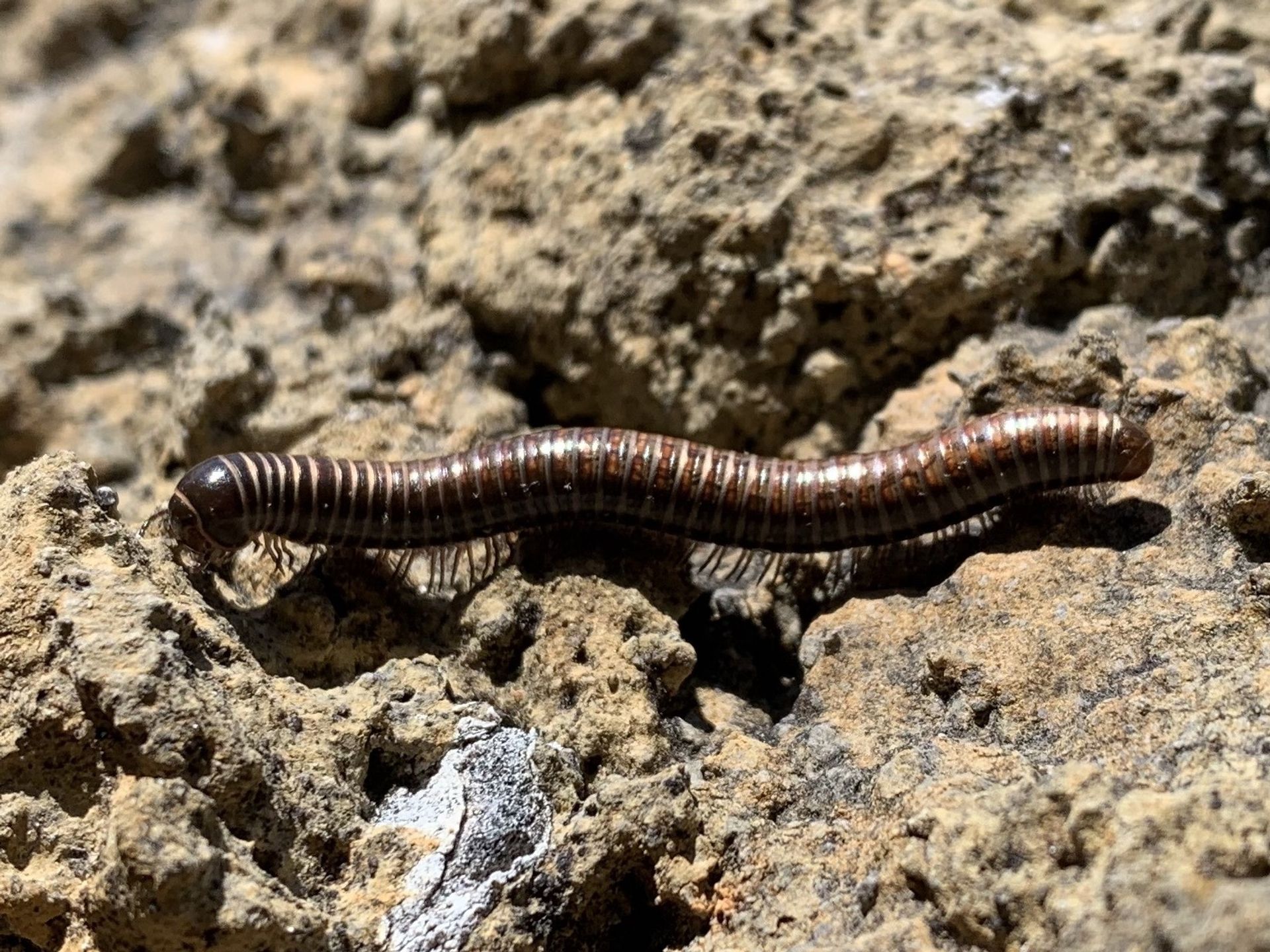
Choctella cumminsi is a of in the Choctellidae, described by Chamberlin in 1918. It is a member of the order Spirostreptida, a group of large-bodied millipedes commonly known as giant millipedes. The species is known from North America, with confirmed records from Tennessee. As with other members of its family, it is presumed to be a soil-dwelling , though specific ecological studies are limited.
Pronunciation
How to pronounce Choctella cumminsi: //kɒkˈtɛlə ˈkʌmɪnsi//
These audio files are automatically generated. While they are not always 100% accurate, they are a good starting point.
Identification
Members of the Choctellidae can be distinguished from other spirostreptidan millipedes by characteristics of the (male reproductive appendages), including the structure of the telopodite and solenomere. Specific identification of C. cumminsi requires examination of these structures. The Choctella is to the southeastern United States and is distinguished from related genera by gonopod .
Images
Distribution
North America; confirmed present in Tennessee, United States. The Choctella is to the southeastern United States.
Similar Taxa
- Other SpirostreptidaLarger body size distinguishes Choctellidae from many other orders; structure distinguishes Choctellidae at level.
- Other Choctella speciesRequires examination of for definitive identification; C. cumminsi is distinguished by specific structural features of the male reproductive appendages.
More Details
Taxonomic note
Choctellidae is a small within the order Spirostreptida, with the Choctella being to the southeastern United States. The family is characterized by specific modifications of the .
Research status
Despite 253 iNaturalist observations, published ecological and behavioral studies on C. cumminsi appear limited. Most available information relates to and distribution rather than natural history.