Trigoniulus
Pocock, 1894
Asian millipede (informal, for T. corallinus)
Species Guides
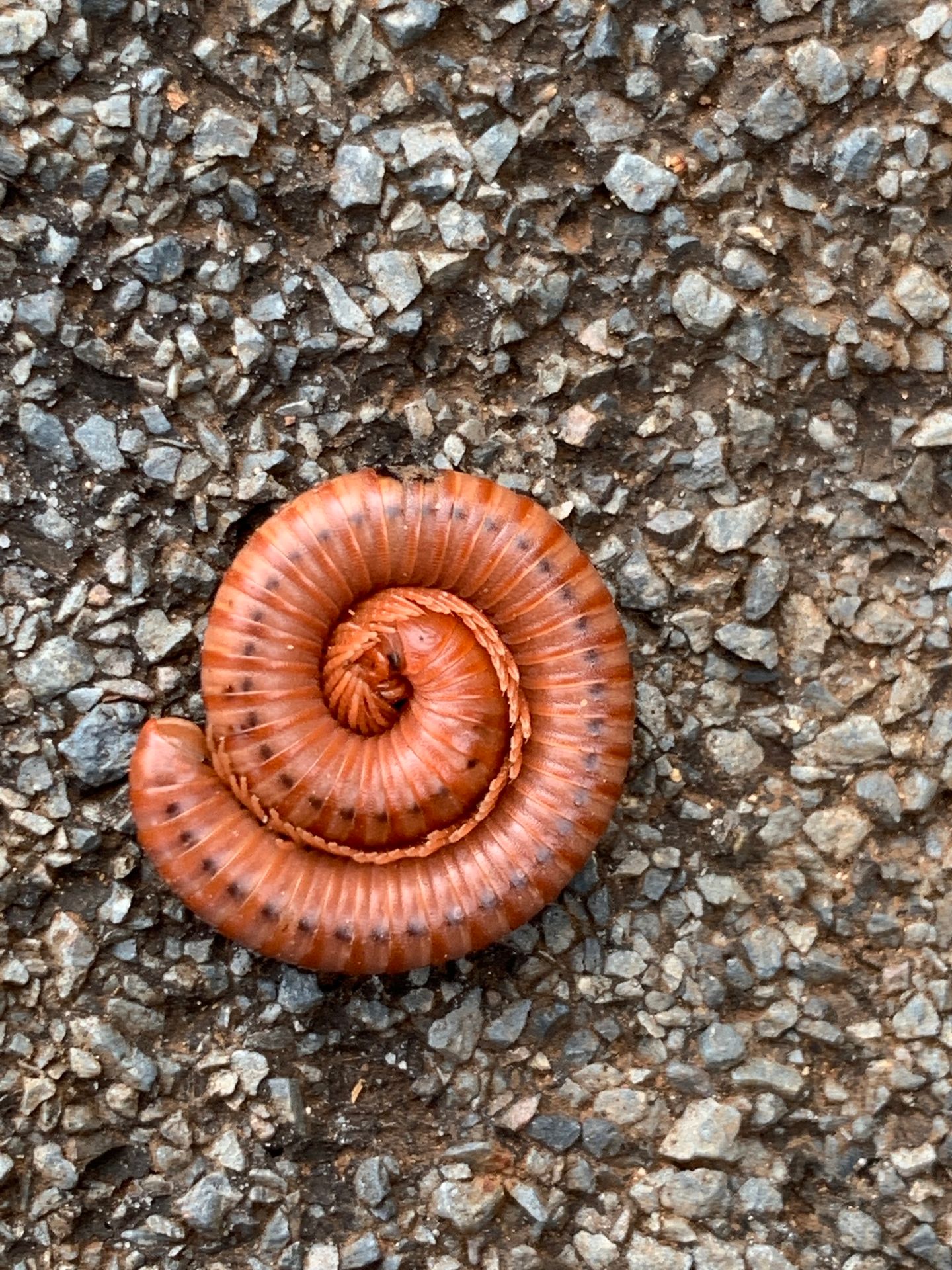
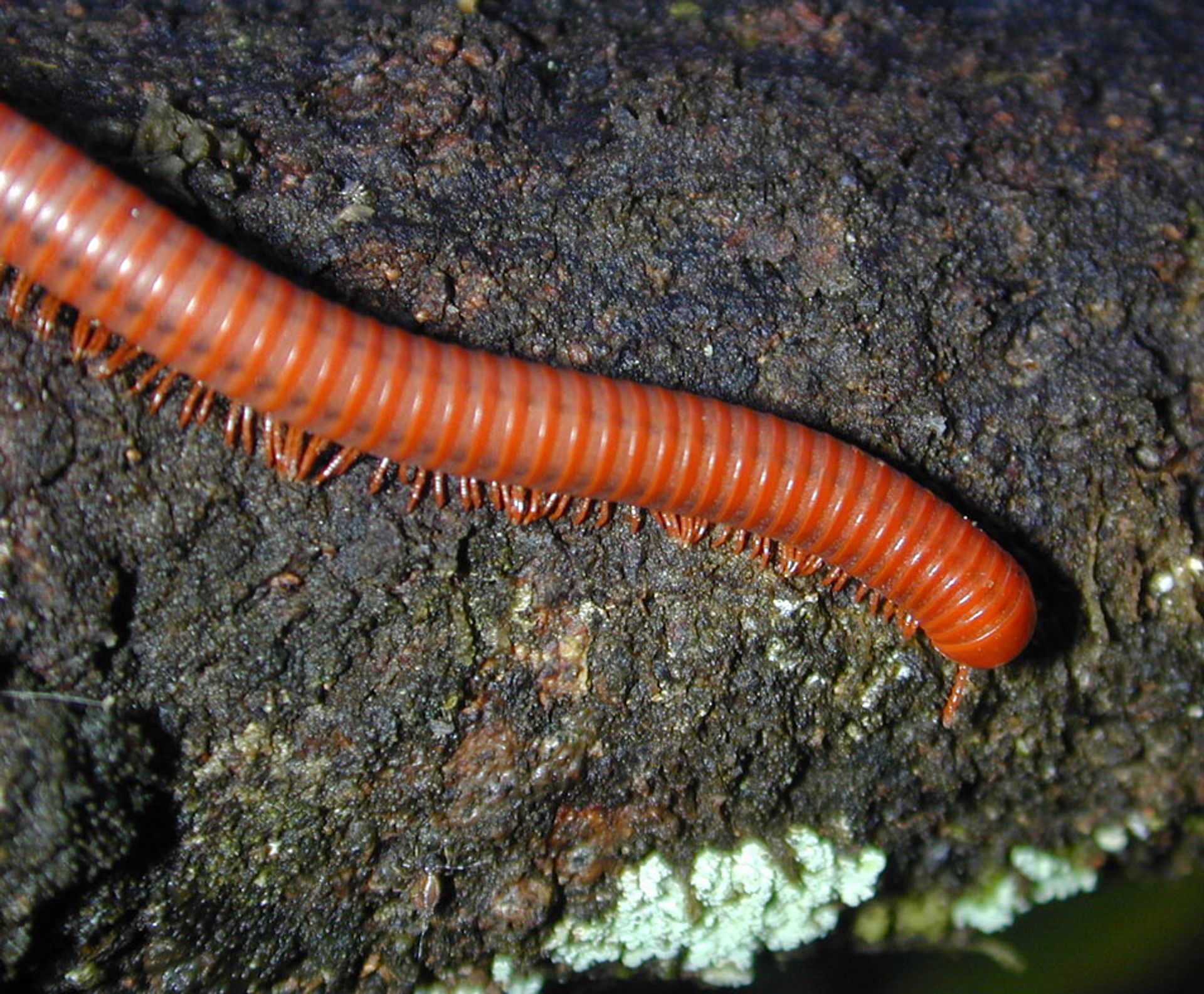
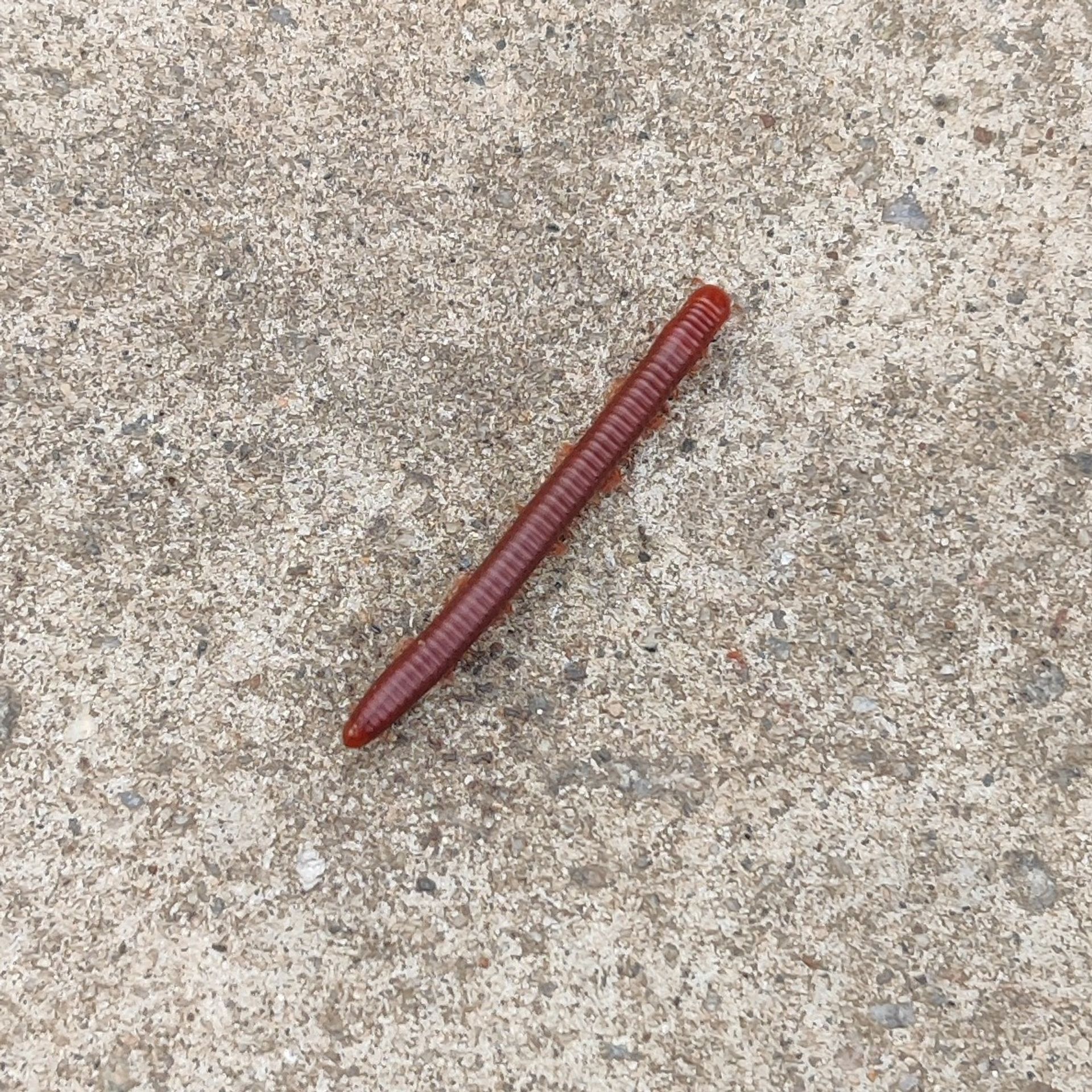
1- Trigoniulus corallinus(Rusty Millipede)
Trigoniulus is a of millipedes in the Trigoniulidae, established by Pocock in 1894. The genus contains at least 90 described distributed primarily across tropical and subtropical regions of Asia. Species such as Trigoniulus corallinus and T. lumbricinus have been studied for their , revealing seasonal abundance patterns correlated with rainfall and temperature. The genus serves as a for gut-associated microbes, including bacteria isolated from decaying plant .
Pronunciation
How to pronounce Trigoniulus: //ˌtrɪɡəˈnjʊləs//
These audio files are automatically generated. While they are not always 100% accurate, they are a good starting point.
Images
Habitat
occur in open land rich in organic matter and in decaying coconut trees. correlates with minimum temperature and rainfall.
Distribution
Asia; specific distribution varies by . Trigoniulus corallinus described as the "common Asian millipede."
Seasonality
and late stadia abundant in June, October, and November; August include all developmental stages. population peaks occur May–July for some .
Host Associations
- Pseudomonas schmalbachii - gut Bacterial isolated from digestive tract of Trigoniulus corallinus
Life Cycle
Developmental stages show length progression factor 1.11–1.98 (mean 1.43) and width progression factor 1.10–1.56 (mean 1.31). Females exhibit higher weight progression factor than males, attributed to accumulation of -forming tissue.
Behavior
Aggregated distribution pattern during peak abundance periods, driven by patchy food distribution, soil moisture, and sexual attraction.
Sources and further reading
- BugGuide
- Wikipedia
- GBIF taxonomy match
- iNaturalist taxon
- NCBI Taxonomy
- Catalogue of Life
- Population dynamics of Trigoniulus lumbricinus ( gerst ) (Diplopoda: Trigoniulidae)
- Population ecology of Trigoniulus corallinus (Gervais) (Diplopoda: Spirobolida)
- Pseudomonas schmalbachii sp. nov., isolated from the gut of a millipede (Trigoniulus corallinus) from a coconut tree
- Male and female genomes of millipede (Trigoniulus corallinus) and identification of sex chromosomes.