
Chonaphini
Verhoeff, 1941
Genus Guides
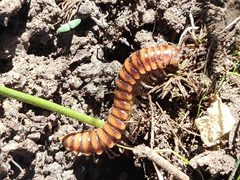
4Chonaphini is a tribe of flat-backed millipedes (Polydesmida) within the Xystodesmidae, established by Verhoeff in 1941. The tribe comprises approximately 6 and 19 described distributed across western North America. Members exhibit the characteristic dorsoventrally flattened body form typical of xystodesmid millipedes.
Pronunciation
How to pronounce Chonaphini: /kɔˈnæfɪnaɪ/
These audio files are automatically generated. While they are not always 100% accurate, they are a good starting point.
Identification
Chonaphini can be distinguished from other Xystodesmidae tribes by subtle gonopodal (male reproductive appendage) characters and segmental tuberculation patterns. The tribe shares the -typical flat-backed body profile with lateral keels (paranota) on each diplosegment, but specific tribal boundaries require examination of mature male specimens.
Images
Habitat
within Chonaphini occur in mesic forest environments of western North America, particularly in the Pacific Northwest and montane regions. They inhabit the forest floor litter layer and decaying wood, requiring humid microhabitats to prevent desiccation.
Distribution
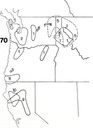
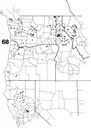
Western North America, including the Pacific Northwest region of the United States and adjacent areas of Canada. The constituent show regional , with Chonaphe, Metaxycheir, and Tubaphe primarily distributed in the Pacific coastal states and provinces.
Ecological Role
As , members of Chonaphini contribute to decomposition of leaf litter and woody debris in forest , facilitating nutrient cycling and soil formation.
Similar Taxa
- XystodesminiAnother tribe within Xystodesmidae; distinguished by gonopodal and geographic distribution (primarily eastern North America for many )
- PachydesminiTribe in Xystodesmidae with overlapping western North American distribution; separable by gonopodal structure and body tuberculation patterns
More Details
Taxonomic status
Catalogue of Life lists Chonaphini as a synonym, though NCBI and recent recognize it as a valid tribe. The synonymy designation may reflect historical taxonomic revisions or database lag.
Generic composition
The six recognized are Chonaphe (1904), Metaxycheir (1969), Montaphe (1949), Selenocheir (1994), Semionellus (1920), and Tubaphe (1954). The varying establishment dates reflect progressive refinement of tribal boundaries through the 20th century.