
Selenocheir
Shelley, 1994
Species Guides
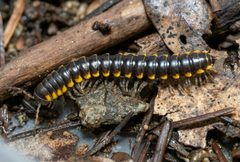
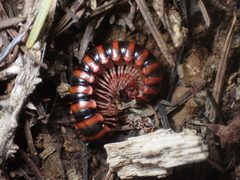
2Selenocheir is a of flat-backed millipedes in the Xystodesmidae, described by Shelley in 1994. The genus contains at least three described : S. arcuata, S. directa, and S. sinuata. All three species were described in the same 1994 publication. As members of Xystodesmidae, these millipedes possess the characteristic flattened body form and chemical defense glands (ozopores) typical of this family.
Pronunciation
How to pronounce Selenocheir: /ˌsɛlɛnoʊˈkaɪər/
These audio files are automatically generated. While they are not always 100% accurate, they are a good starting point.
Identification
Selenocheir can be distinguished from other xystodesmid by specific (male reproductive appendage) , as detailed in Shelley's 1994 original description. Species-level identification within the genus relies on differences in gonopod structure: S. arcuata with curved gonopod elements, S. directa with straight gonopod elements, and S. sinuata with wavy or sinuous gonopod elements, corresponding to their specific epithets.
Images
Distribution
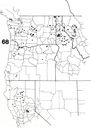
The three described are known from specific localities in the western United States, though precise distribution details require reference to the original 1994 description.
Similar Taxa
- XystodesmusBoth belong to Xystodesmidae and share the flat-backed body form; distinguished by and other subtle structural differences in the original description.
- HarpapheAnother xystodesmid with similar overall appearance; Selenocheir differs in structure and geographic distribution.
More Details
Etymology
The name Selenocheir derives from Greek selene (moon) and cheir (hand), likely referring to the curved or crescent-like shape of the in the type or the genus as a whole.
Taxonomic History
All three were described simultaneously by R.M. Shelley in 1994, indicating this was erected based on a comparative study of previously unrecognized or misidentified material.