Indiopsocus lanceolatus
Mockford & Young, 2015
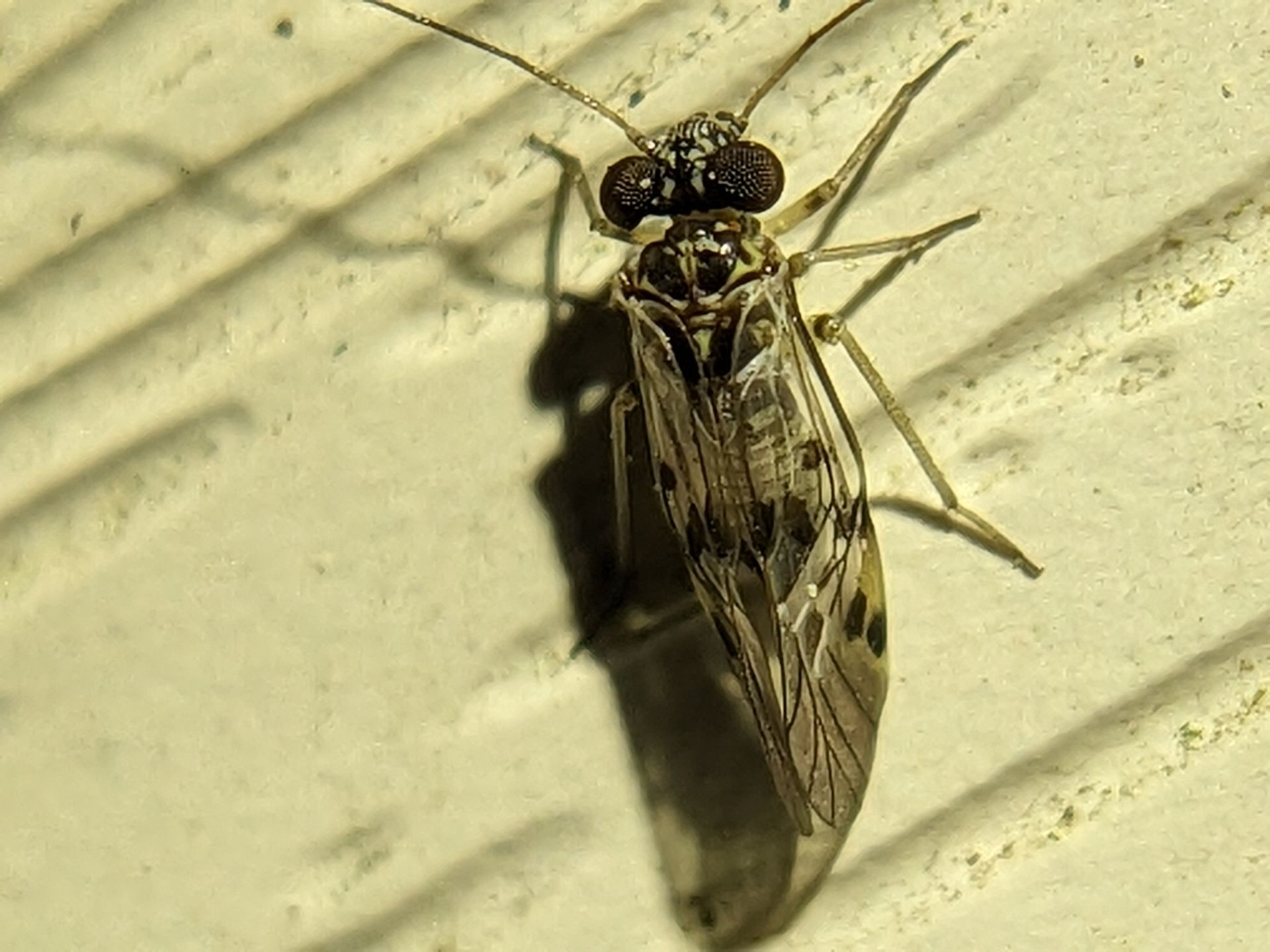
Indiopsocus lanceolatus is a of barklouse in the Psocidae, described by Mockford and Young in 2015. The species belongs to the Indiopsocus, which comprises common barklice found in various across North America. As a member of Psocodea, it possesses chewing mouthparts and is typically associated with dead plant material, bark, and leaf litter.
Pronunciation
How to pronounce Indiopsocus lanceolatus: /ˌɪndiˈɒpsəkəs ˌlænsɪəˈleɪtəs/
These audio files are automatically generated. While they are not always 100% accurate, they are a good starting point.
Images
Distribution
Known from Texas based on GBIF distribution records. The broader distribution of the Indiopsocus includes North America, but -specific range data remains limited due to the relatively recent description of this .
Ecological Role
Barklice in the Psocidae contribute to nutrient cycling by consuming dead plant material, , lichens, and other organic detritus. They serve as prey for various small arthropods and may facilitate decomposition processes in their .
Human Relevance
Barklice are generally harmless to humans and do not damage living plants or stored products. They may occasionally be noticed on tree trunks, fences, or outdoor structures but pose no economic or health concerns.
Similar Taxa
- Indiopsocus sp.Other members of the Indiopsocus share general morphological characteristics and ecological habits; precise identification to level requires examination of subtle structural features described in the original species .
- Graphopsocus cruciatusAnother common barklouse that may co-occur in similar ; distinguished by different wing venation patterns and body markings.
- Trichadenotecnum alexanderaeA barklouse in the same Psocidae that shares similar size and preferences; -level identification requires detailed morphological examination.