
Ptyctini
Mockford, 1993
common barklice
Genus Guides
6- Camelopsocus(barklice)
- Indiopsocus(common barklice)
- Loensia(barklice)
- Ptycta(barklice)
- Steleops(barklice)
- Trichadenotecnum(booklice)
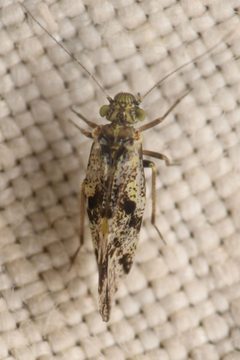
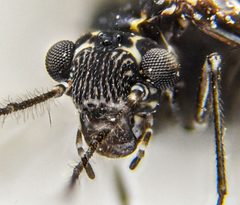
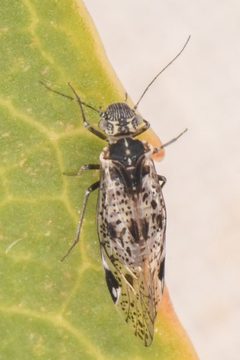
Ptyctini is a tribe of barklice in the Psocidae, containing approximately 6 and at least 20 described . Members are small, soft-bodied insects commonly found on bark, foliage, and other surfaces. The tribe was established by Mockford in 1993 and includes genera such as Ptycta, Steleops, and Trichadenotecnum.
Pronunciation
How to pronounce Ptyctini: /ˈtɪktɪni/
These audio files are automatically generated. While they are not always 100% accurate, they are a good starting point.
Images
Habitat
Associated with bark, foliage, and other plant surfaces where barklice typically occur. Specific microhabitat preferences vary by and .
Distribution
Global distribution corresponding to that of the Psocidae; individual have varying ranges. Indiopsocus is known from India and nearby regions. Loensia and Trichadenotecnum have wide distributions including Palearctic and Nearctic regions.
Diet
Feed on lichens, , fungal spores, and other organic detritus found on bark and leaf surfaces.
Ecological Role
Contribute to nutrient cycling by consuming and processing organic surface materials on plants and other substrates. Serve as prey for small .
Human Relevance
Generally harmless; occasionally found indoors on plants or in damp areas. Not known to cause damage to structures or stored products.
Similar Taxa
More Details
Taxonomic history
The tribe was formally described by Mockford in 1993 to accommodate certain previously placed more broadly within Psocidae. The type genus is Ptycta.
Notable genera
Trichadenotecnum is among the most -rich in the tribe and has been subject to taxonomic revision. Steleops and Ptycta are also well-represented in collections.