
Psocetae
Pearman, 1936
bark lice
Family Guides
3- Hemipsocidae(Leaf Litter Barklice)
- Myopsocidae(mouse-like barklice)
- Psocidae(Common Barklice)
Psocetae is an infraorder of bark lice within the order Psocodea, established by Pearman in 1936. It comprises four : Hemipsocidae, Myopsocidae, , and Psocidae. Members are characterized by distinctive morphological features including an oval with a crevice and specialized limb structures.
Pronunciation
How to pronounce Psocetae: /sɒˈsiːtaɪ/
These audio files are automatically generated. While they are not always 100% accurate, they are a good starting point.
Identification
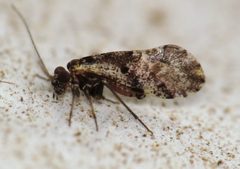
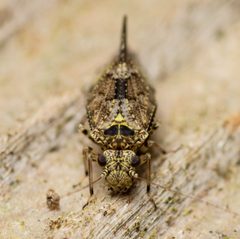
The combination of an oval with a crevice, two-segmented , and the presence of short curved limb appendages distinguishes Psocetae from other psocopteran infraorders. The rounded subgenital plate with broad lateral plates provides additional diagnostic characters. -level identification requires examination of wing venation patterns and other specialized structures.
Images
Appearance
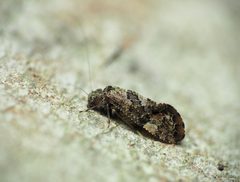
oval in shape with a distinct crevice across the plane. divided into two segmented pieces. Short curved appendages present on each limb. Subgenital plate of the rounded; lateral plates broad and rounded.
Distribution
distribution encompassing regions where the constituent occur, including tropical, subtropical, and temperate zones worldwide.
Similar Taxa
- TrogiomorphaAnother infraorder within Psocomorpha; distinguished by different shape and tarsal segmentation patterns.
- TroctopsocideaRelated psocomorphan infraorder; lacks the characteristic crevice and rounded subgenital plate structure of Psocetae.
More Details
Family composition
The four included in Psocetae (Hemipsocidae, Myopsocidae, , Psocidae) represent diverse ecological and morphological specializations within bark lice, though all share the diagnostic characters defining the infraorder.