Camelopsocus
Mockford, 1965
barklice
Species Guides
4- Camelopsocus bactrianus
- Camelopsocus hiemalis
- Camelopsocus similis(common barklouse)
- Camelopsocus tucsonensis(common barklouse)
Camelopsocus is a of barklice in the Psocidae, established by Mockford in 1965. The genus contains five described distributed in North America, with several species named after their type localities or seasonal activity patterns. Members of this genus are classified within the tribe Ptyctini, a group characterized by specific wing venation patterns and genitalic structures.
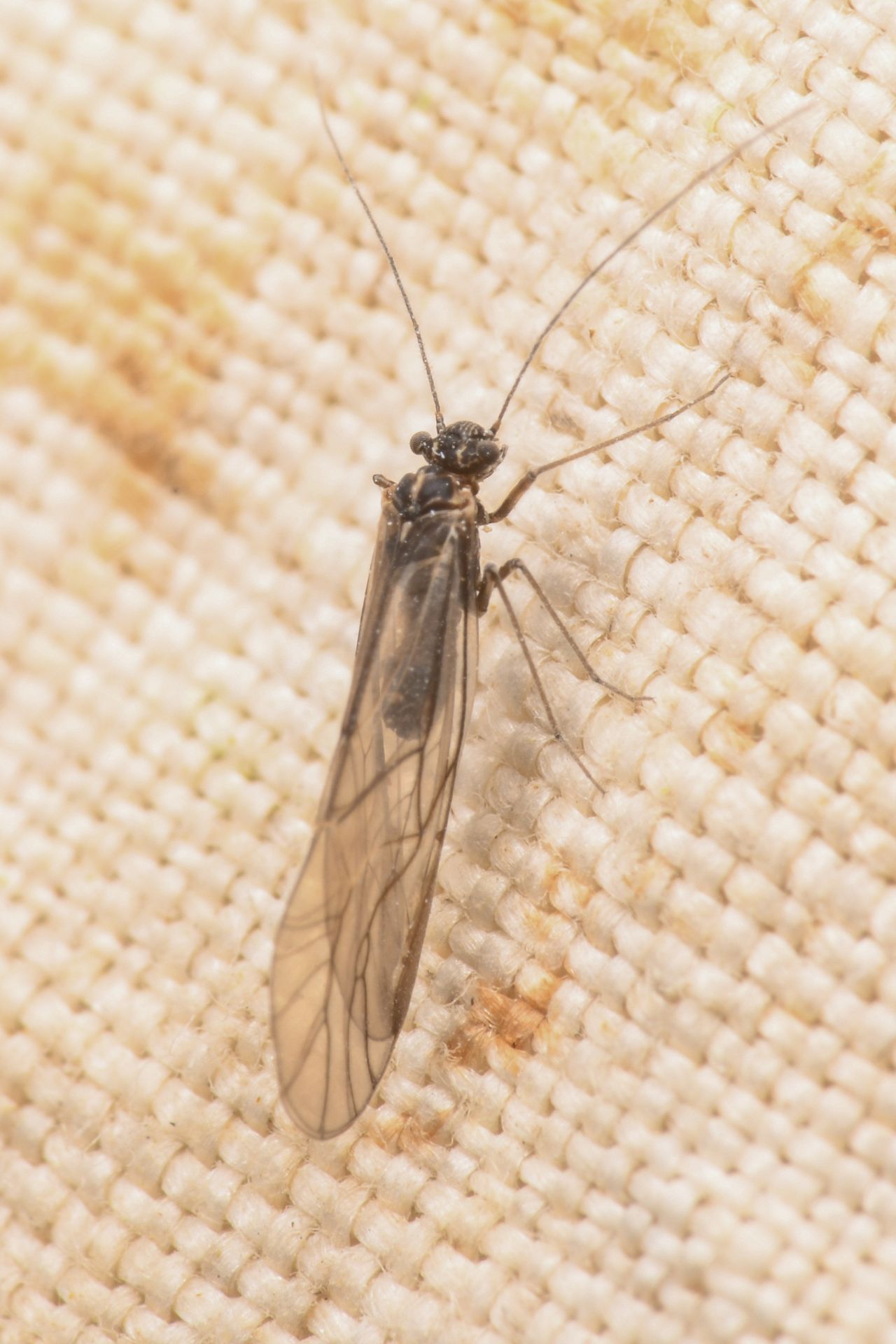
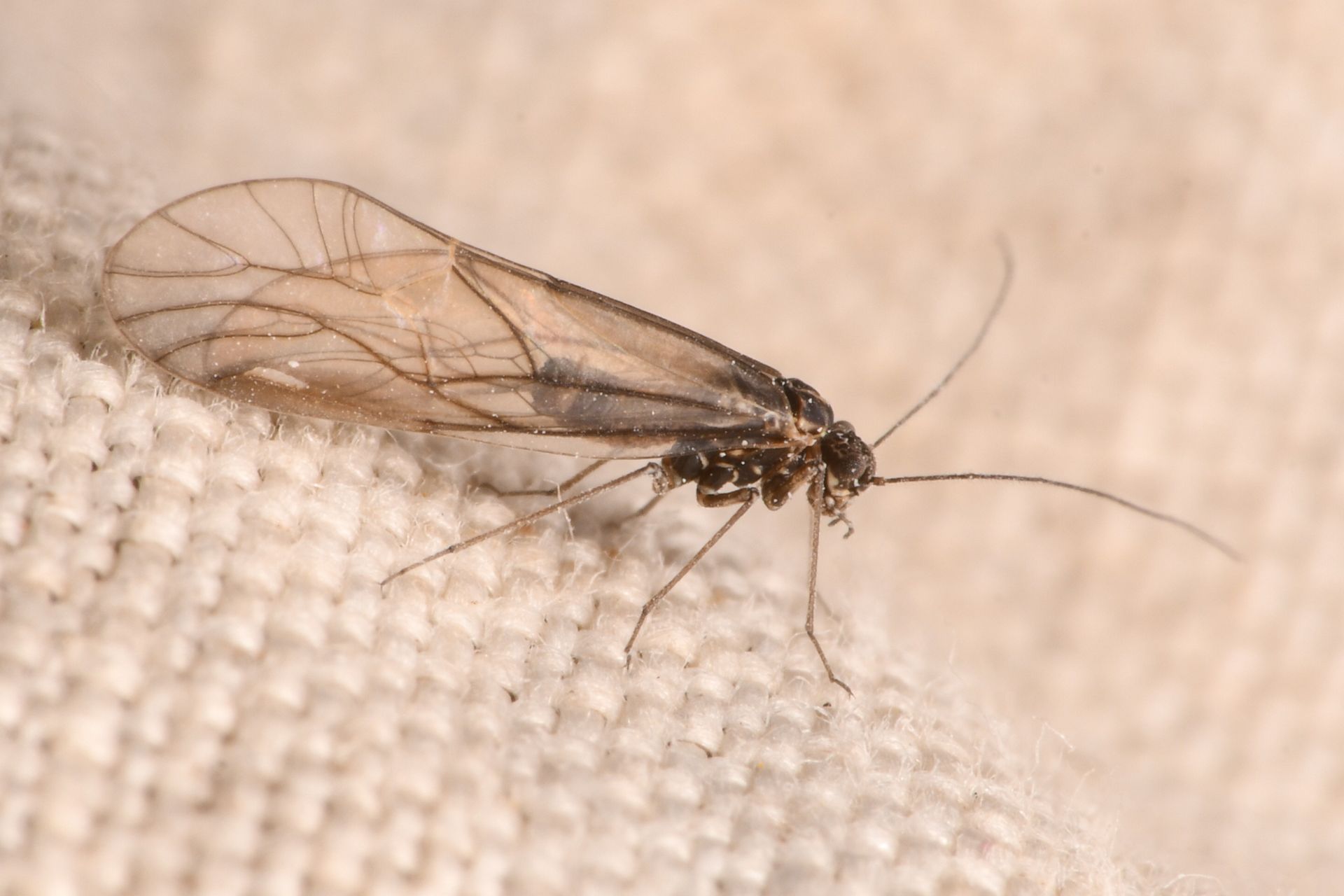
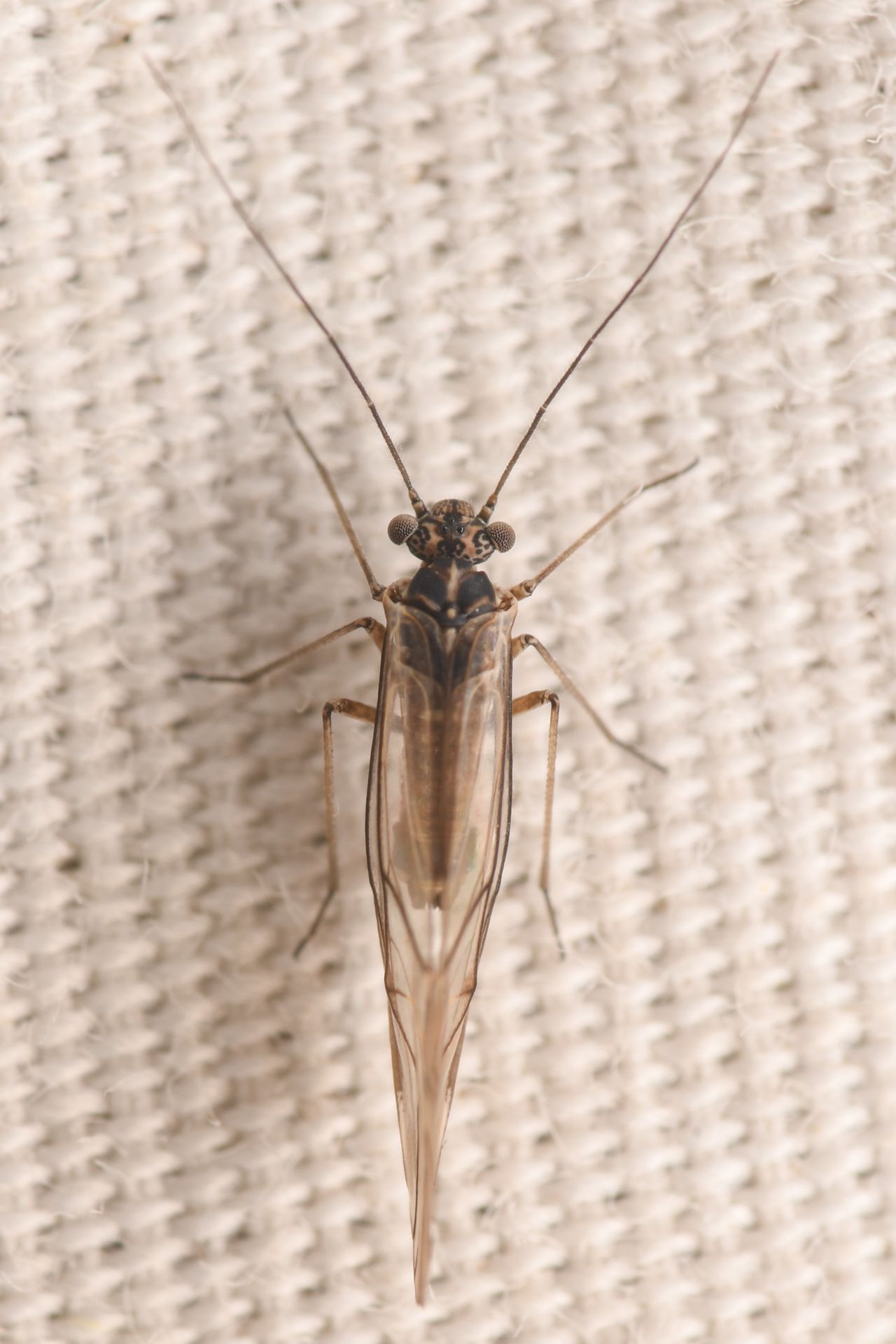
Pronunciation
How to pronounce Camelopsocus: /ˌkæmɛˌlɒpˈsoʊkəs/
These audio files are automatically generated. While they are not always 100% accurate, they are a good starting point.
Identification
Camelopsocus are distinguished from other by characteristics of the male genitalia and wing venation patterns typical of the tribe Ptyctini. The genus name references the camel-like (bactrian) appearance of certain structures in the type species. Specific identification to species level requires examination of genitalic and forewing areola postica shape.
Images
Habitat
in this have been collected from montane and desert environments, including mountainous areas and the Tucson region of Arizona. They inhabit bark and foliage surfaces where they feed on microflora.
Distribution
North America, with documented records from montane regions and the southwestern United States including Arizona.
Seasonality
Camelopsocus hiemalis has been observed during winter months, as indicated by its specific epithet. Other show activity patterns corresponding to their collection dates in spring and summer.
Ecological Role
As with other , in this likely function as grazers of microflora on plant surfaces, contributing to nutrient cycling in their .
Similar Taxa
- BlasteBoth belong to Psocidae and share general barklice , but differ in genitalic structures and wing venation details.
- MetylophorusAnother in Psocidae with similar preferences, distinguished by different forewing areola postica and male paramere .
More Details
Etymology
The name Camelopsocus combines 'camel' with the standard suffix, referencing the camel-like (bactrian) appearance of certain structures in the type C. bactrianus.
Taxonomic History
The was established by Mockford in 1965 with C. monticolus as the type . Four additional species were described by Mockford in 1984, expanding the genus to its current five species.