Camelopsocus bactrianus
Mockford, 1984
Camelopsocus bactrianus is a of barklouse described by Mockford in 1984. It belongs to the Psocidae, a group of small, soft-bodied insects commonly found on vegetation, bark, and leaf litter. The Camelopsocus is part of the tribe Ptyctini, characterized by distinctive wing-rolling and . Very few observations of this species exist in public databases.
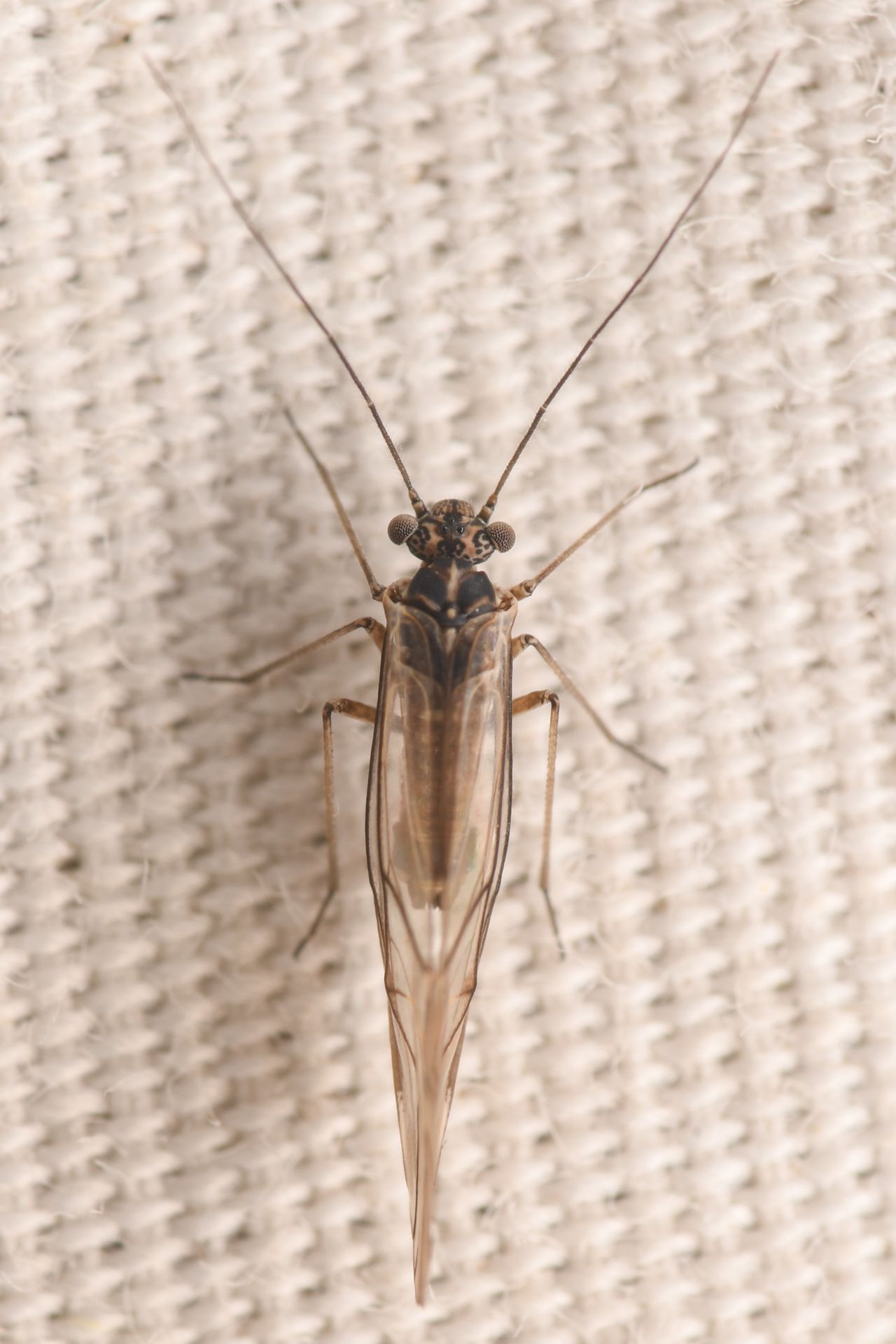
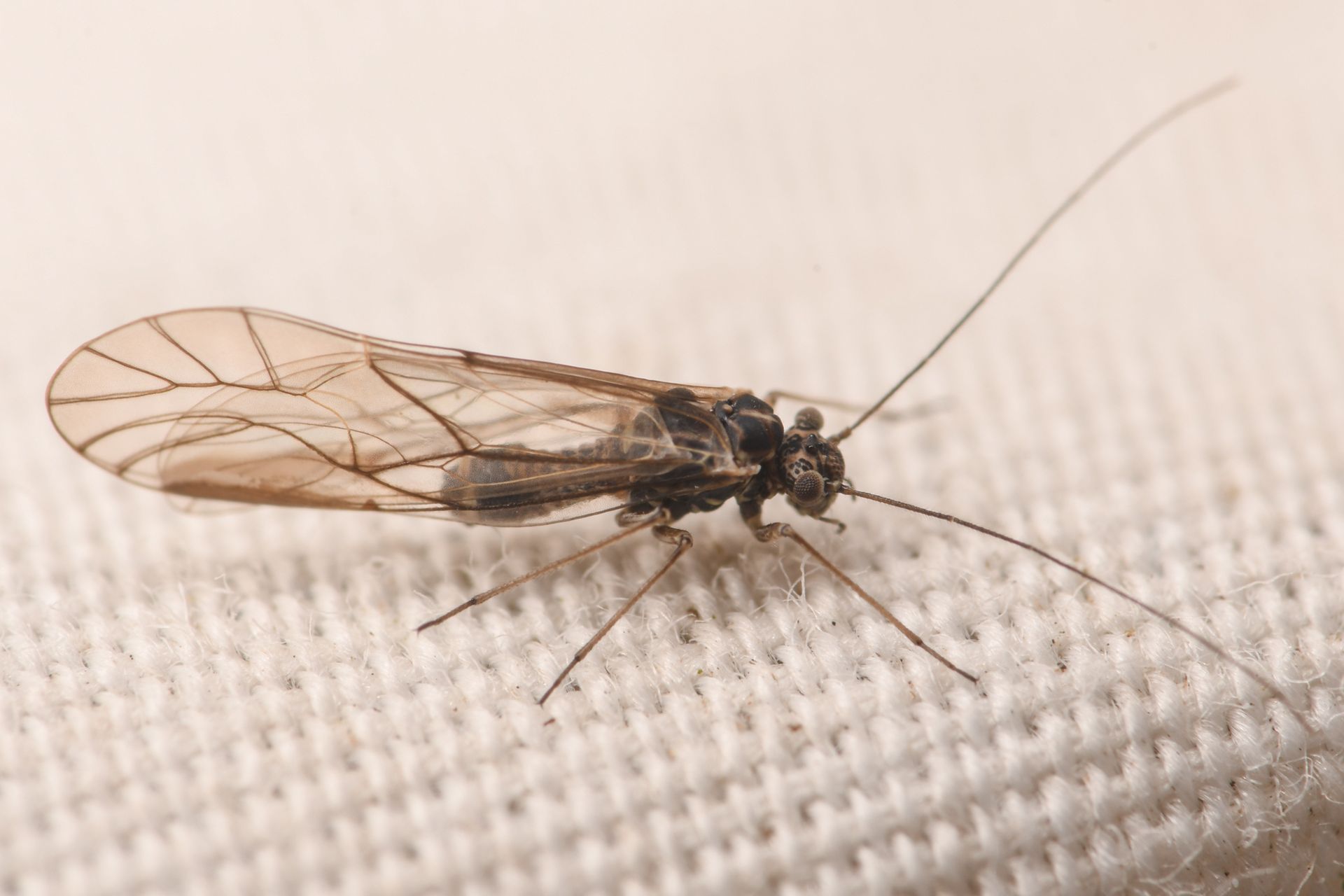
Pronunciation
How to pronounce Camelopsocus bactrianus: //ˌkæmɛloʊpˈsoʊkəs bækˈtraɪənəs//
These audio files are automatically generated. While they are not always 100% accurate, they are a good starting point.
Identification
Members of the Camelopsocus can be distinguished from related genera by the combination of: forewing with areola postica free from M (not ), presence of a pterostigma with a basal and spot, and characteristic hypandrial structures in males. The specific epithet "bactrianus" likely refers to the two-humped camel-like shape of some or body feature, though the original description would be required to confirm this diagnostic character.
Images
Habitat
Distribution
Distribution data are sparse; the single iNaturalist observation suggests occurrence in North America, consistent with the described range of many Mockford-era Psocidae . The type locality and full range require verification from the original description.
Behavior
in the tribe Ptyctini exhibit a distinctive of rolling their wings longitudinally over the when at rest, a trait that gives the tribe its name (from Greek ptyx, fold). This behavior may occur in C. bactrianus but has not been specifically documented.
Ecological Role
Psocidae function as and microbivores in forest , processing dead plant material, lichens, , and fungal spores. They contribute to nutrient cycling and serve as prey for small arthropods and other .
Similar Taxa
- Camelopsocus tucsonensisCongeneric described from the same region; distinguished by subtle differences in genitalia and wing venation patterns per Mockford's descriptions.
- Blaste spp.Members of related in Psocidae with similar body plans; Camelopsocus separated by wing venation details and male hypandrial .
More Details
Taxonomic notes
The Camelopsocus was established by Mockford and contains several North American . The specific epithet "bactrianus" references the Bactrian camel, presumably alluding to a morphological feature of the .
Data limitations
This is known from very few specimens and observations. The single iNaturalist record as of 2024 indicates it is rarely encountered or underreported, possibly due to its small size (<5mm typical for Psocidae) and cryptic habits.