Metylophorus
Pearman, 1932
common barklice
Species Guides
3- Metylophorus barretti(common barklouse)
- Metylophorus novaescotiae(Speckled Barklouse)
- Metylophorus purus(common barklouse)
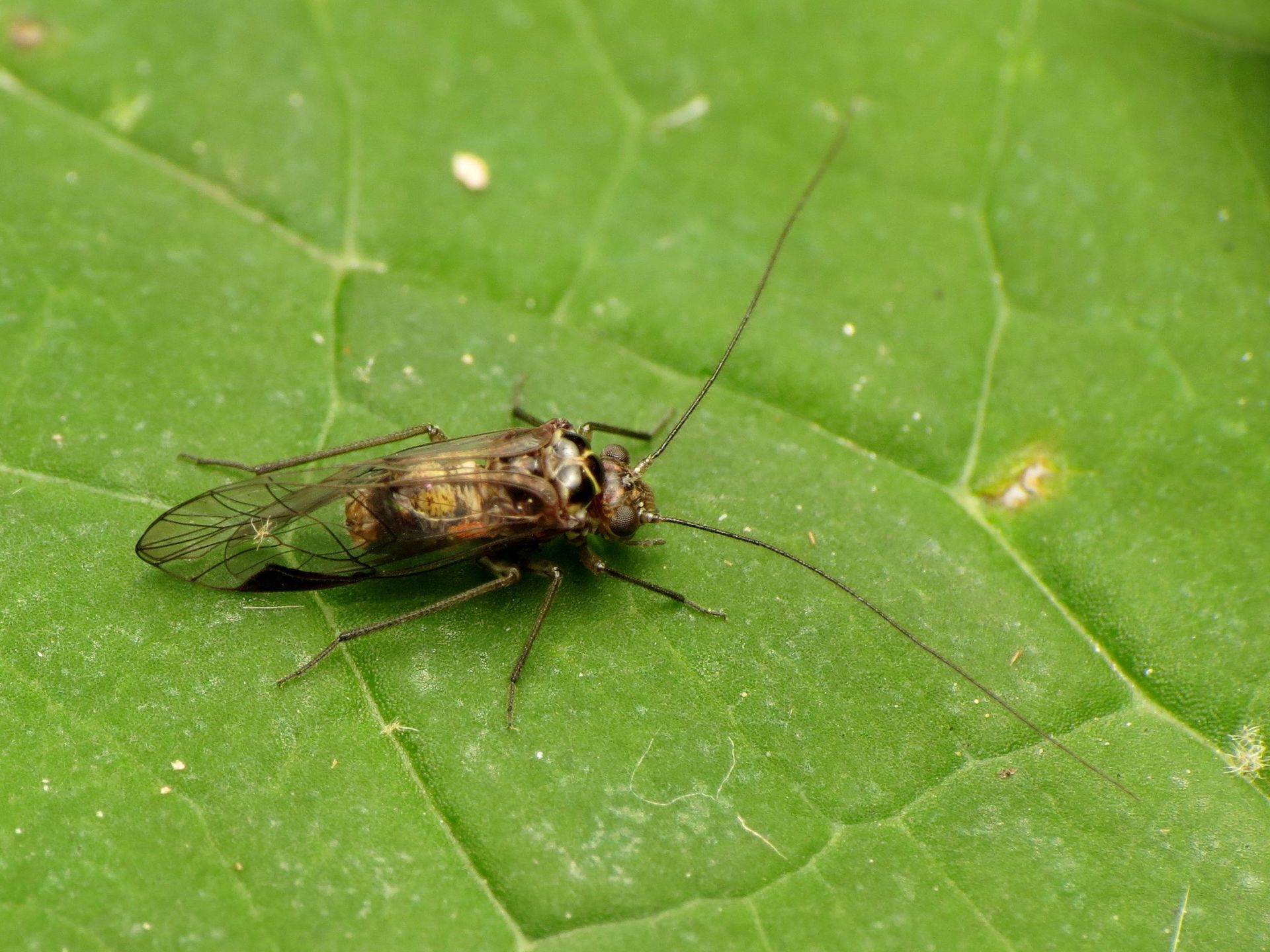
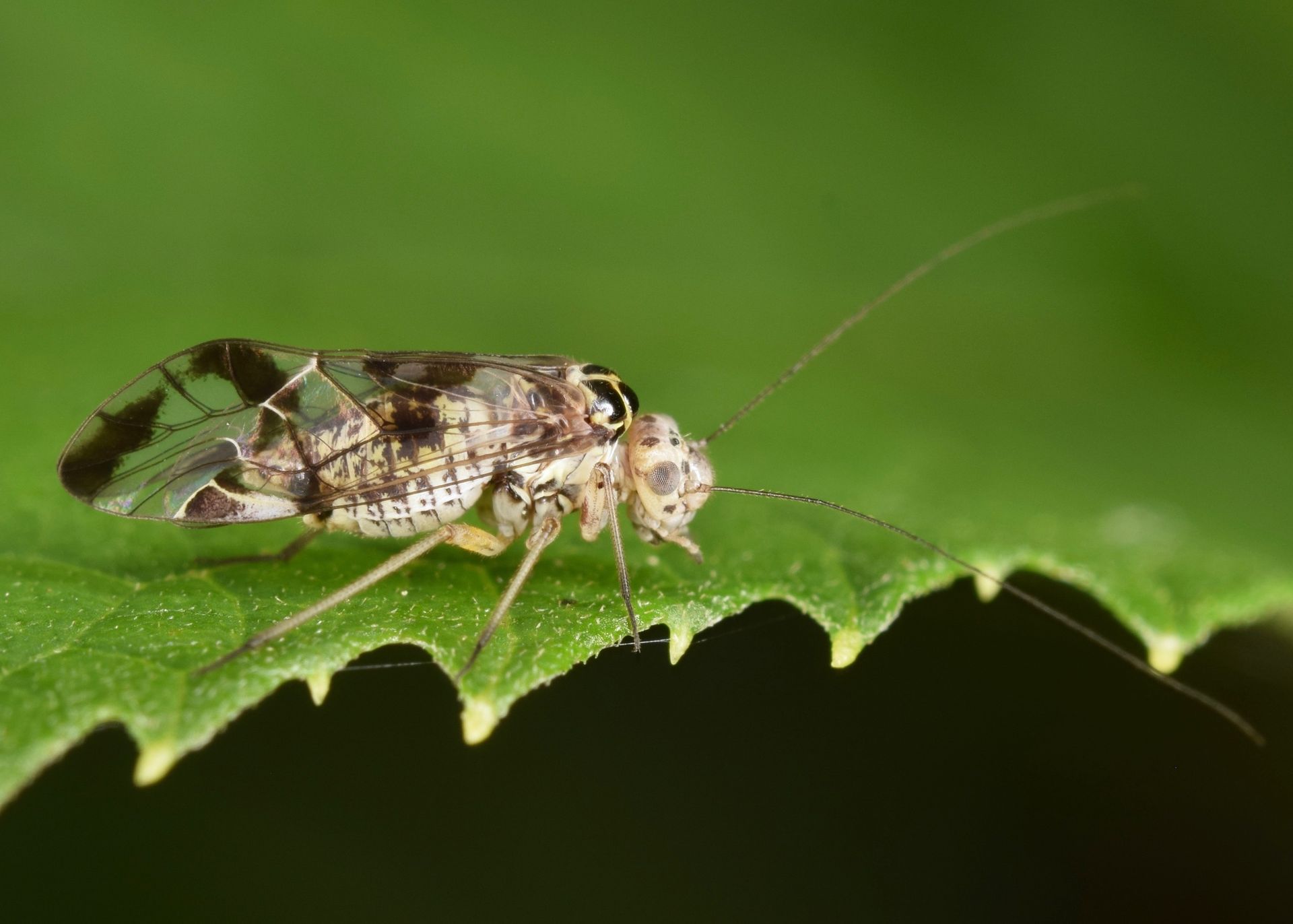
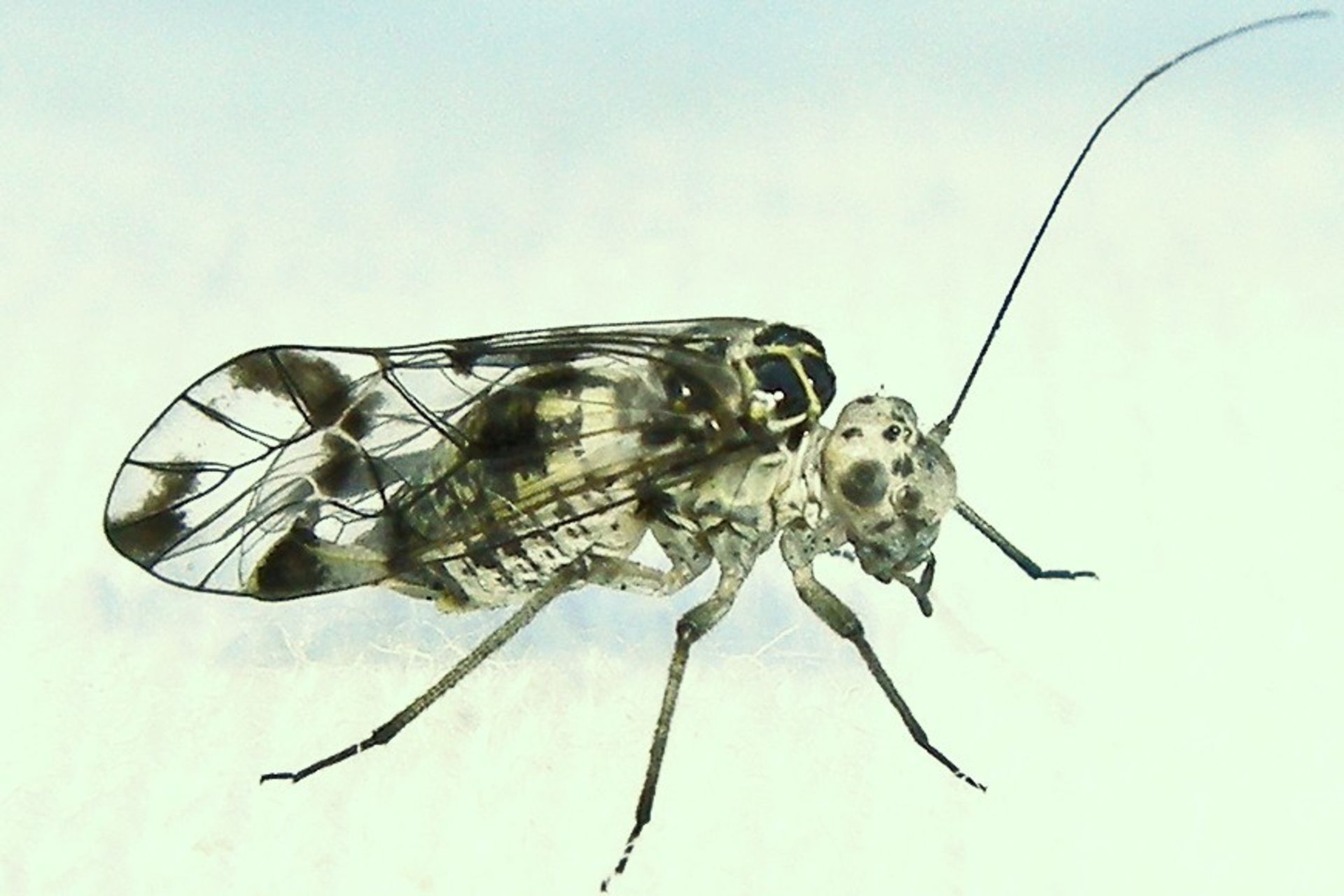
Metylophorus is a of barklice in the Psocidae, established by Pearman in 1932. The genus contains at least 50 described distributed across multiple continents. As members of Psocidae, these insects are commonly found in association with tree bark and other woody substrates. The genus is taxonomically placed in the tribe Metylophorini within the Psocinae.
Pronunciation
How to pronounce Metylophorus: //ˌmɛtɪˈlɒfərəs//
These audio files are automatically generated. While they are not always 100% accurate, they are a good starting point.
Images
Habitat
Distribution
Records indicate presence in Central America (Cuba, Guatemala, Mexico, Panama) and Northern Europe (Denmark, Norway, Sweden). The likely has a broader distribution given its .
Diet
Behavior
Barklice are generally gregarious and may form small on bark surfaces. They are active runners and weak fliers.
Ecological Role
As feeding on microflora, barklice contribute to nutrient cycling and the decomposition of organic material on woody substrates.
Human Relevance
Barklice are harmless to humans and do not damage structures or stored products. They may occasionally be noticed on trees or outdoor structures but require no control measures.
Similar Taxa
More Details
Taxonomic history
The was established by Pearman in 1932 and is the type genus of the tribe Metylophorini.
Species diversity
With at least 50 described , Metylophorus represents one of the more species-rich in Psocidae, though many species remain poorly studied.