Amphigerontia
Kolbe, 1880
common barklice
Species Guides
4- Amphigerontia bifasciata
- Amphigerontia contaminata
- Amphigerontia montivaga(common barklouse)
- Amphigerontia petiolata(common barklouse)
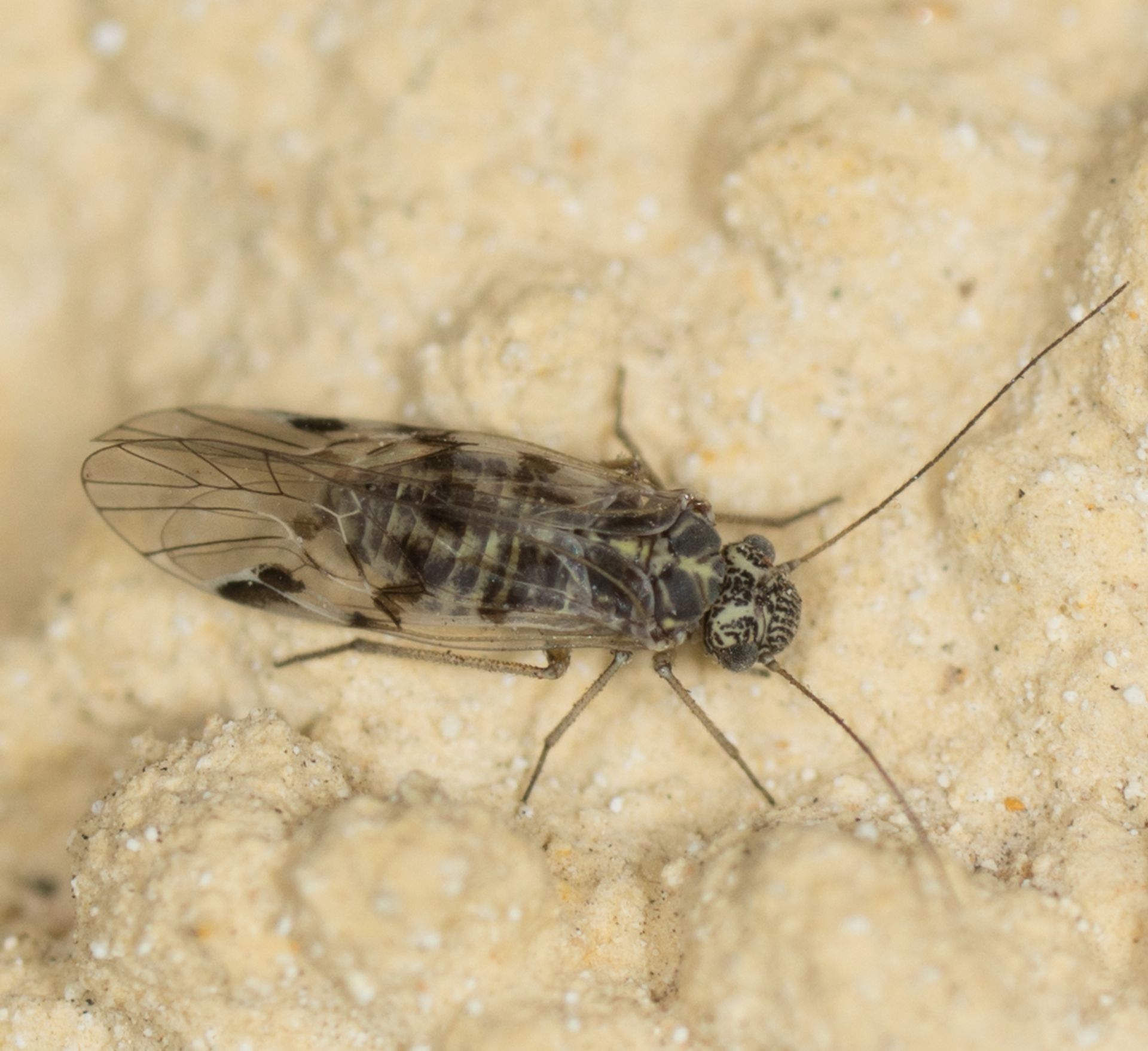
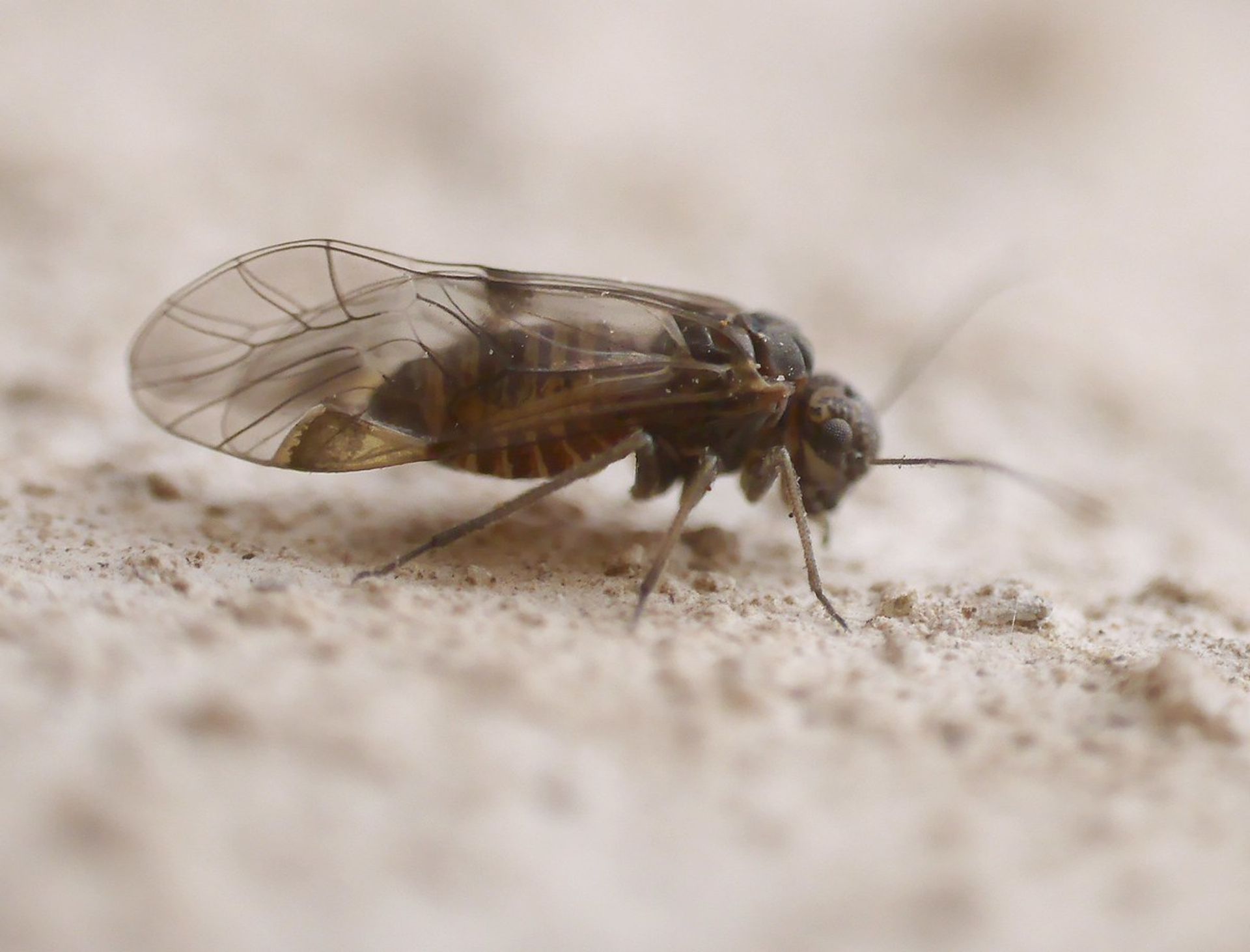
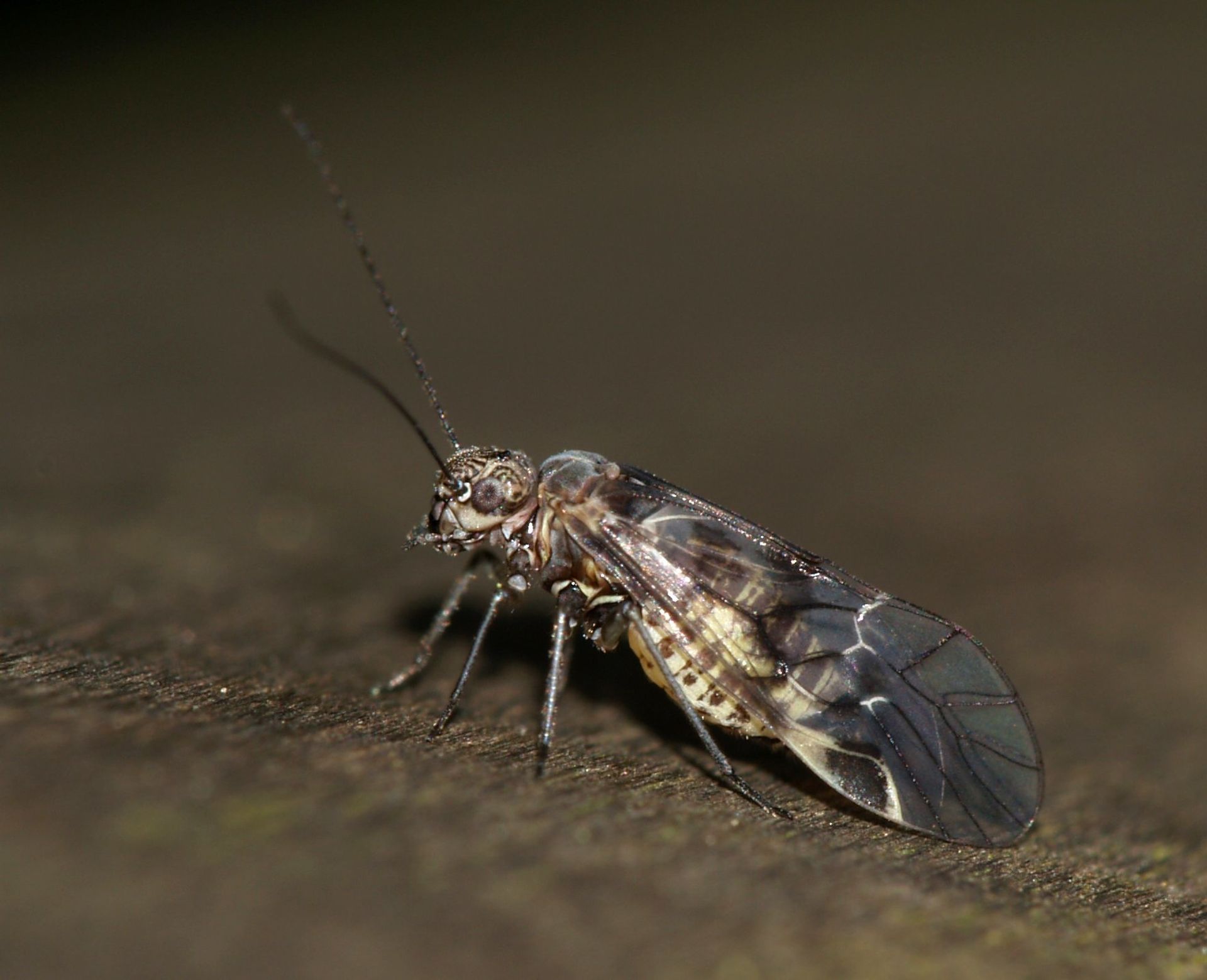
Pronunciation
How to pronounce Amphigerontia: //ˌæm.fɪ.dʒɛˈɹɒn.ti.ə//
These audio files are automatically generated. While they are not always 100% accurate, they are a good starting point.
Identification
Members of Amphigerontia can be distinguished from other barklice by features of the wing venation and genitalia, though specific characters vary among . As a genus within Psocidae, they lack the more specialized morphological adaptations seen in other . Identification to species level requires examination of microscopic characters.
Images
Habitat
in this have been recorded from arboreal , particularly on tree bark, branches, and foliage. They occupy temperate and tropical environments across their range.
Distribution
Recorded from Europe (Great Britain, Luxembourg, Denmark, Norway, Sweden), and the Americas (Mexico, Panama, Brazil).
Similar Taxa
More Details
Taxonomic history
The was established by Kolbe in 1880 and has been classified in the Amphigerontiinae, tribe Amphigerontiini. The subfamily and tribal names are derived from this genus.