
Amphigerontiinae
Kolbe, 1880
Genus Guides
3- Amphigerontia(common barklice)
- Blaste(barklice)
- Blastopsocus(common barklice)
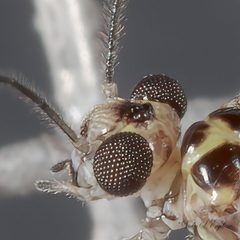
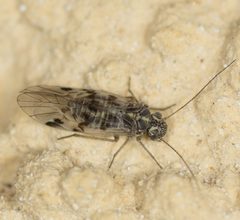
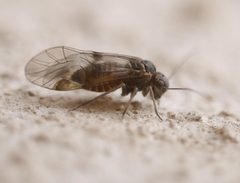
Pronunciation
How to pronounce Amphigerontiinae: //ˌæmfɪdʒɛˌrɒntiˈaɪniː//
These audio files are automatically generated. While they are not always 100% accurate, they are a good starting point.
Images
Habitat
Terrestrial environments including bark, leaf litter, and vegetation surfaces where humidity supports microfloral growth.
Distribution
Widespread across multiple continents; specific range data limited at level.
Diet
Feeds on microflora including lichens, , and fungal spores.
Ecological Role
Contributes to nutrient cycling through consumption and processing of microflora on plant surfaces and in detritus.
Human Relevance
Generally insignificant to human interests; occasional presence in stored products or buildings but not considered economically important.
More Details
Taxonomic history
Established by Kolbe in 1880, this has undergone various revisions as has developed. The group is distinguished within Psocidae by specific wing venation patterns and genitalic structures, though precise diagnostic characters require examination of and detailed morphological study.