
Polypsocus corruptus
(Hagen, 1861)
Corrupt Barklouse
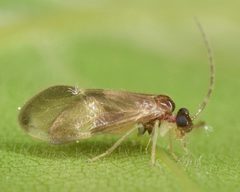
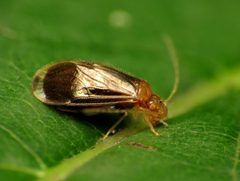
Polypsocus corruptus is a of barklouse in the Amphipsocidae, commonly known as the Corrupt Barklouse. It is one of the most frequently observed barklice in North America, with over 2,300 documented records. The species belongs to the group of 'hairy-winged barklice,' characterized by setose wing surfaces. It occurs across a broad geographic range spanning temperate and subtropical regions of North and Central America.
Pronunciation
How to pronounce Polypsocus corruptus: //ˌpɒlɪpˈsoʊkəs kəˈrʌptəs//
These audio files are automatically generated. While they are not always 100% accurate, they are a good starting point.
Identification
Distinguished from other barklice by the combination of densely hairy wings and broad wing shape. Most similar to other Amphipsocidae, but -level identification requires examination of genitalia and wing venation patterns. Separated from Psocidae by the presence of hairy rather than bare wings. Distinguished from (booklice) by fully winged condition in and larger size. Males and females differ in abdominal tip shape and genitalic structures visible under magnification.
Images
Habitat
Found on bark surfaces of living and dead trees, particularly in deciduous and mixed forests. Occurs on branches, twigs, and trunks where it feeds on surface microflora. Also recorded from leaf litter and woody debris. Favors humid microhabitats protected from direct desiccation. Has been observed on both hardwoods and conifers.
Distribution
Widespread across North America from Canada through the United States to Mexico; also recorded from Central America. Documented from Vermont and across eastern and central North America. GBIF records confirm presence in Canada, USA, Mexico, and Middle America.
Seasonality
active throughout the growing season in temperate regions; year-round in subtropical areas. Peak activity likely coincides with warm, humid conditions favorable to surface microflora growth.
Diet
Feeds on lichens, , fungal , and other organic microflora growing on bark surfaces. Specific dietary components have not been experimentally verified.
Life Cycle
Hemimetabolous development with , nymph, and stages. Nymphs resemble small, wingless adults and undergo multiple before reaching maturity. Detailed duration and number of instars have not been documented.
Behavior
Gregarious; often found in small on bark. Slow-moving, typically remaining stationary unless disturbed. capable of weak but generally prefer to walk on substrate surfaces. or activity patterns suspected but not confirmed.
Ecological Role
Contributes to nutrient cycling by consuming and processing surface organic microflora on bark. Serves as prey for small including spiders and predatory insects. Part of the epiphytic on tree bark.
Human Relevance
No direct economic importance. Occasionally noticed by naturalists and photographers due to its relatively conspicuous hairy-winged appearance among barklice. Not a pest of stored products, structures, or agriculture.
Similar Taxa
- Other AmphipsocidaeShare hairy-winged ; require genitalic examination for -level separation
- PsocidaeSimilar bark-dwelling habits but have bare, non-hairy wings
- LiposcelidaeSimilar body form but typically smaller, with reduced or absent wings in most
More Details
Taxonomic history
Originally described as Psocus corruptus by Hagen in 1861, later transferred to Polypsocus. The specific epithet 'corruptus' refers to the degraded or altered appearance of , not to any behavioral characteristic.
Observation frequency
With over 2,300 iNaturalist observations, this is among the most frequently documented barklice in North America, likely due to its broad distribution and relatively conspicuous hairy-winged appearance.