
Caeciliusetae
Pearman, 1936
Family Guides
5- Amphipsocidae(Hairy-winged Barklice)
- Asiopsocidae
- Caeciliusidae(Lizard Barklice)
- Dasydemellidae(Shaggy Barklice)
- Stenopsocidae(Narrow Barklice)
Caeciliusetae is an infraorder of barklice and booklice within the suborder Psocomorpha, established by Pearman in 1936. The group comprises approximately 1,300 described distributed across six : Amphipsocidae, Asiopsocidae, Caeciliusidae, Dasydemellidae, Paracaeciliidae, and Stenopsocidae. Members of this infraorder are small, soft-bodied insects commonly found in association with vegetation, bark, and leaf litter.
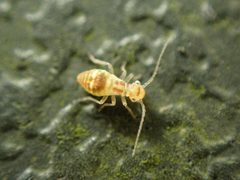
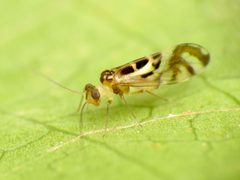
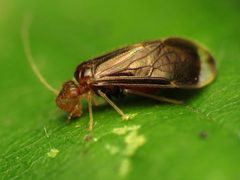
Images
Habitat
Members of Caeciliusetae inhabit vegetated environments including tree bark, leaf litter, and foliage. The of constituent —such as 'barklice' and 'lizard barklice'—reflect these substrate associations. Specific microhabitat preferences vary by family.
Distribution
Global distribution encompassing regions where the six constituent occur. Families such as Asiopsocidae suggest presence in Asian regions, though comprehensive geographic data for the infraorder as a whole is limited.
Ecological Role
Decomposers and in forest and vegetated . As barklice, members of this infraorder contribute to nutrient cycling by processing dead plant material, , lichens, and other organic matter on bark and foliage surfaces.
Human Relevance
Generally harmless to humans and human structures. Barklice do not infest stored products or cause structural damage. Their presence indicates healthy, biodiverse vegetated environments.
Similar Taxa
- TrogiomorphaBoth are infraorders within Psocodea, but Trogiomorpha often have reduced wing venation and different antennal segment counts. Caeciliusetae members typically exhibit more complex wing venation patterns.
- PsocetaeThe other major infraorder of Psocomorpha; distinguished by morphological differences in wing structure and pretarsal claw . Caeciliusetae generally have more setose wings and distinct tarsal segmentation.
More Details
Taxonomic history
Caeciliusetae was established by Pearman in 1936. The infraorder has undergone -level revisions, with Caeciliusidae recognized by Mockford in 2000 and Paracaeciliidae added in 1989. The group was formerly classified under before that order was merged into the expanded order Psocodea.