
Amphipsocidae
Pearman, 1936
Hairy-winged Barklice
Genus Guides
1- Polypsocus(hairy-winged barklice)
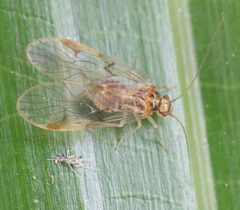
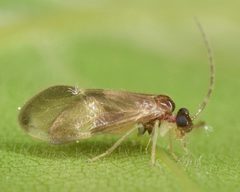
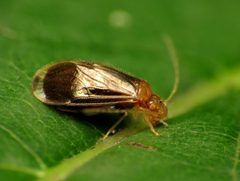
Amphipsocidae is a of small barklice in the order Psocodea, characterized by densely hairy forewings. Most measure 3.0–4.5 mm in length. The family contains approximately 240 described species across at least 19 , with significant geographic in the Afrotropics, eastern Asia, and the Americas.
Pronunciation
How to pronounce Amphipsocidae: //ˌæmfɪpˈsɒsɪdiː//
These audio files are automatically generated. While they are not always 100% accurate, they are a good starting point.
Identification
Distinguished from other barklice by the combination of: (1) densely setose forewings with hairs on and wing margins, (2) two rows of setae lining the main forewing veins, and (3) broad, flat with well-defined edges (shared with other Caeciliusetae). The hairy-winged condition is the primary diagnostic feature separating Amphipsocidae from most other Psocomorpha.
Images
Appearance
Small insects, 3.0–4.5 mm in length. Forewings densely covered with setae (hairs) along and margins; main veins typically bear two rows of setae. Members of this share the infra-order trait of a broad, flat with well-defined edges.
Distribution
Widely distributed globally with strong regional . The large Amphipsocus occurs in the Afrotropics and eastern Asia. Afrotropical endemics include Afropsocus, Capillopsocus, Ctenopsocus, Harpezoneura, Pentathyrsus, Schizopechus, and Xenopsocus. Eastern Asian endemics include Complaniamphus, Pseudokolbea, Siniamphipsocus, and Tagalopsocus. Polypsocus is to the Americas. Europe has two : Kolbia quisquiliarum and Brachypsocus badonneli. Documented from Scandinavia (Denmark, Norway, Sweden), Vermont (USA), and other regions.
Similar Taxa
- Other Psocomorpha familiesAmphipsocidae differs from most other Psocomorpha by the dense setation on forewing and margins; many other barklice have relatively glabrous or sparsely haired wings.
- Other CaeciliusetaeShares the broad, flat with well-defined edges, but Amphipsocidae is distinguished by the characteristic two rows of setae on main forewing and overall wing hairiness.
More Details
Taxonomic note
authorship attributed to Pearman, 1936. counts vary between sources: iNaturalist cites ~170 species in 17 , while Wikipedia reports at least 240 species in 19+ genera, reflecting ongoing taxonomic revision.
Genus-level biogeography
The exhibits pronounced geographic structure at the level, with no genera shared between major biogeographic regions, suggesting limited and long isolation.